
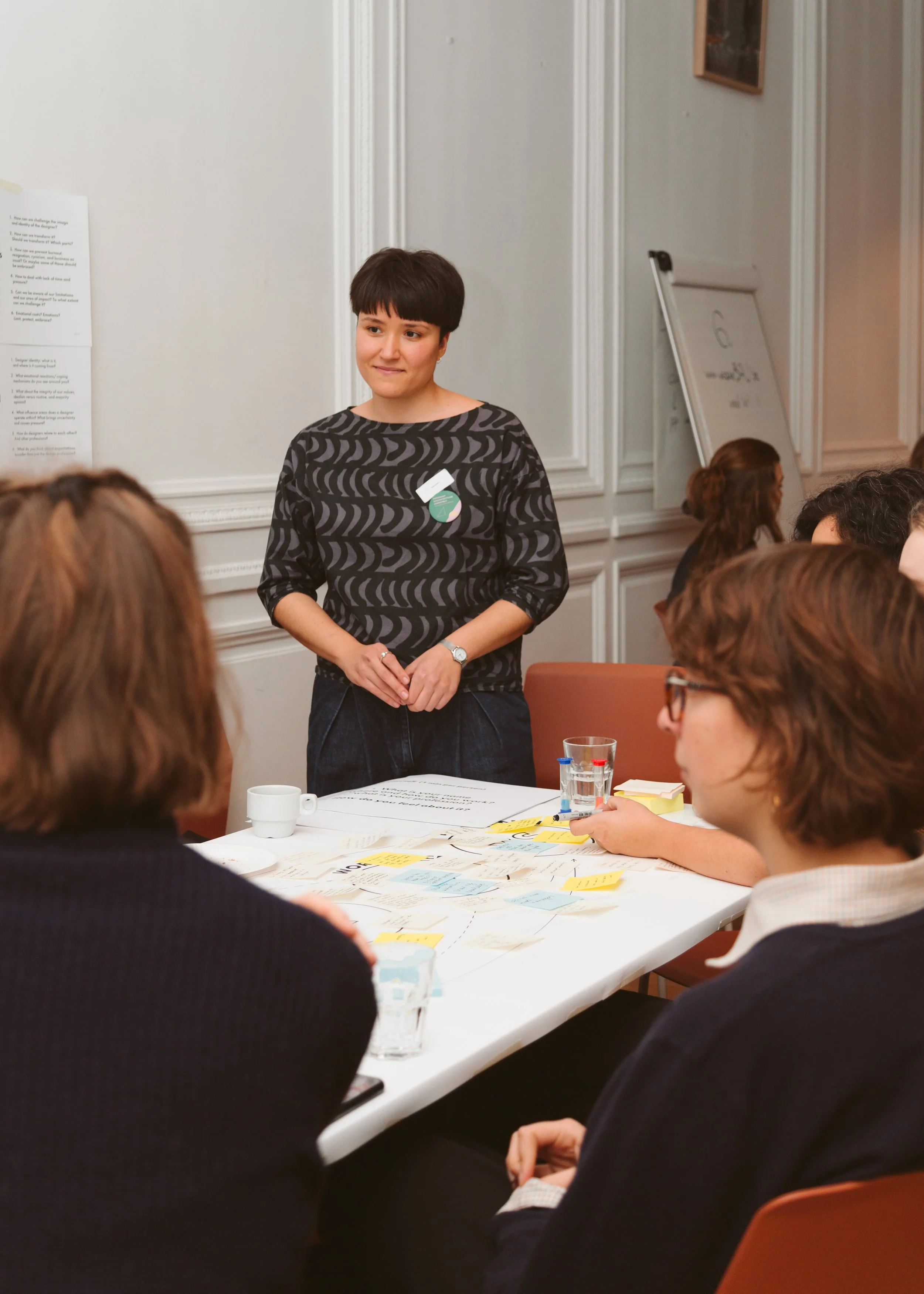
Anna Kozera
is an urban designer and researcher, slowly building her own practice. She is especially interested in regenerative, feminist and post-growth ideas like commoning, rewilding, and climate adaptation. A big part of her practice is being organiser of Urbanistas Rotterdam - with event organisation, book club and research projects. She organised a workshop at the Feminist Architecture Assembly on 28 November 2025.
Credits Photo: Eileen Vancraenenbroeck
Tip
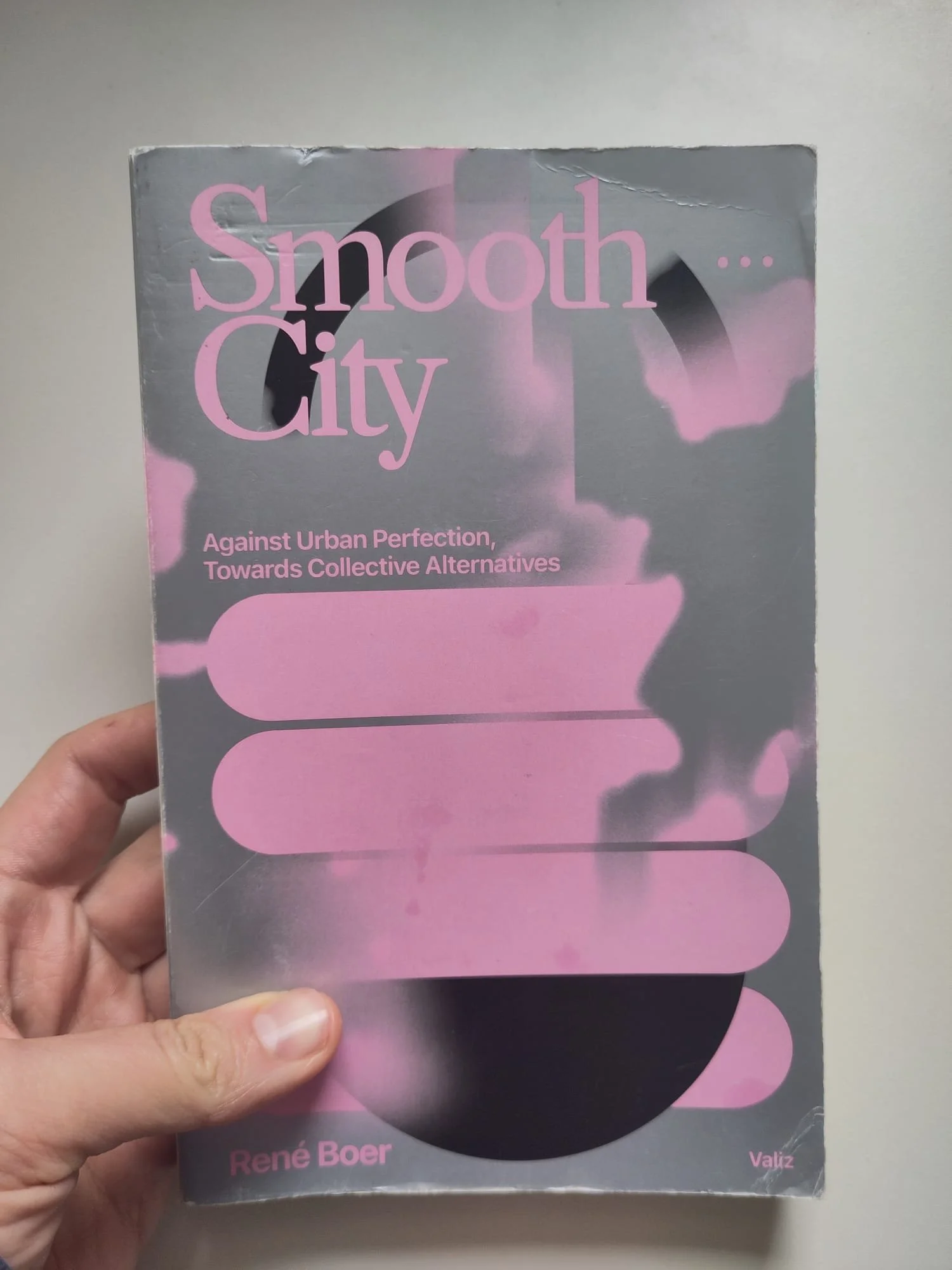
1. Book: Smooth City - Against Urban Perfection, Towards Collective Alternatives - René Boer
waarom? “As Urbanistas, we were asked to write a review of this book for Archined. It sparked wide and open research, but also gives a name to—and points out—many design practices that contribute to a creeping extractive economy, of which we as urban designers are often a part. It’s a good introductory read to show how economy, growth, and capital accumulation shape area and city development. Be aware, though: René Boer tends to focus on critique without offering clear alternatives, which I personally disagreed with.”
wat en wie? Smooth City: Against Urban Perfection, Towards Collective Alternatives (2023) by René Boer explores how cities are increasingly shaped by processes of control, standardisation and “smoothness”, and looks at collective alternatives that embrace more diverse, imperfect and inclusive urban spaces.
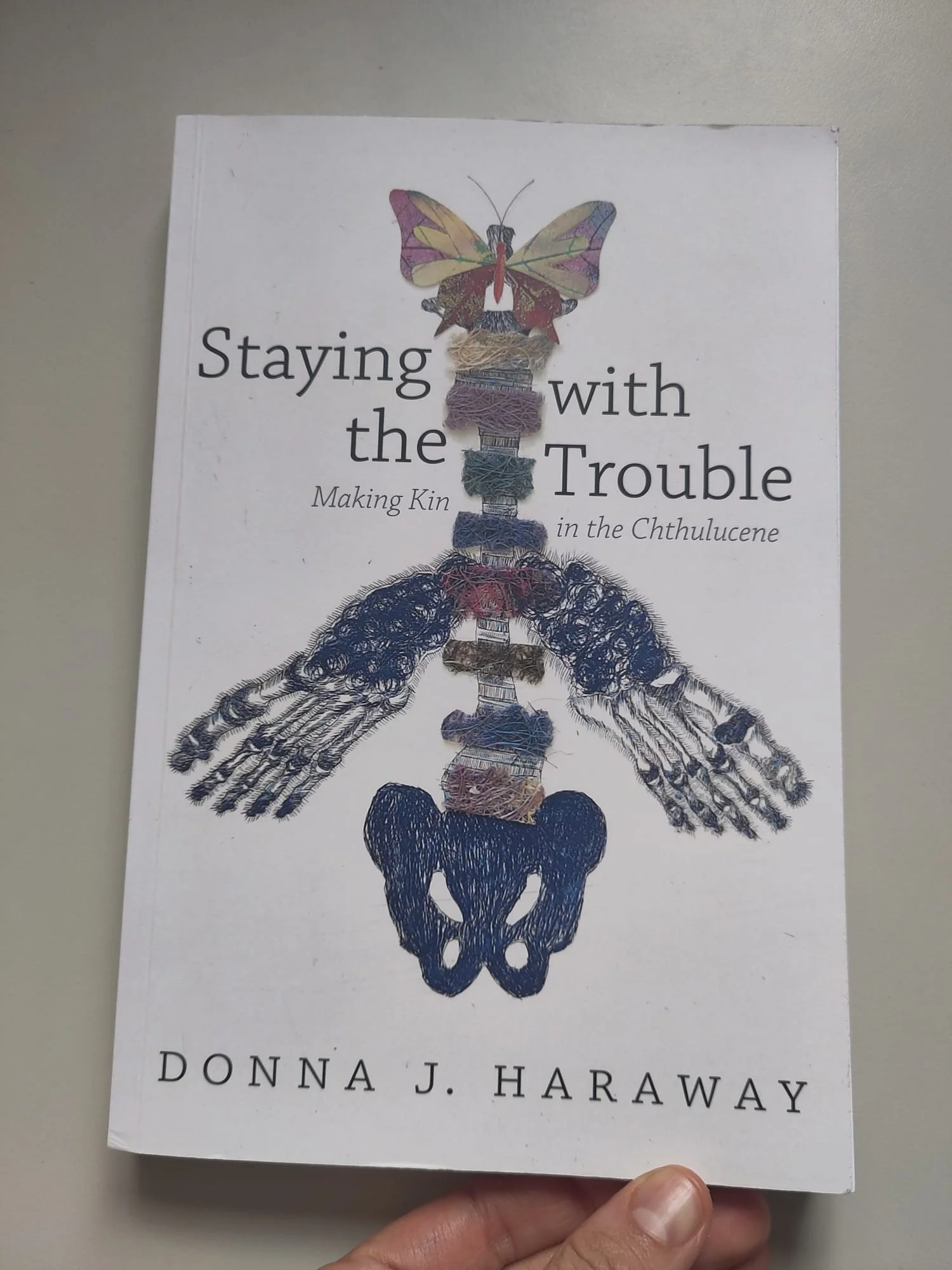
2. Book: Staying with the Trouble: Making Kin in the Chthulucene - Donna J. Haraway
waarom? “This book offers an unusual connection of science, technology, feminism, and cultural studies, with stories from deep deep knowledge corners. It does what is often necessary: it throws me out of my usual seat, showing how different ways of thinking and alternative approaches are possible beyond traditional dichotomies like nature vs. human, heroism vs. denial, and organic vs. non-organic. The book is rich in concepts and care, emphasizing attention to more-than-human worlds with a positive, loving, and pragmatic acknowledgment of conflict. This isn’t a good description of the book, but it’s what I personally love about it.”
wat en wie? Staying with the Trouble: Making Kin in the Chthulucene (2016) by Donna J. Haraway explores how humans and nonhumans are deeply interconnected and argues for finding ways to live and make-with one another in the midst of ecological crisis.
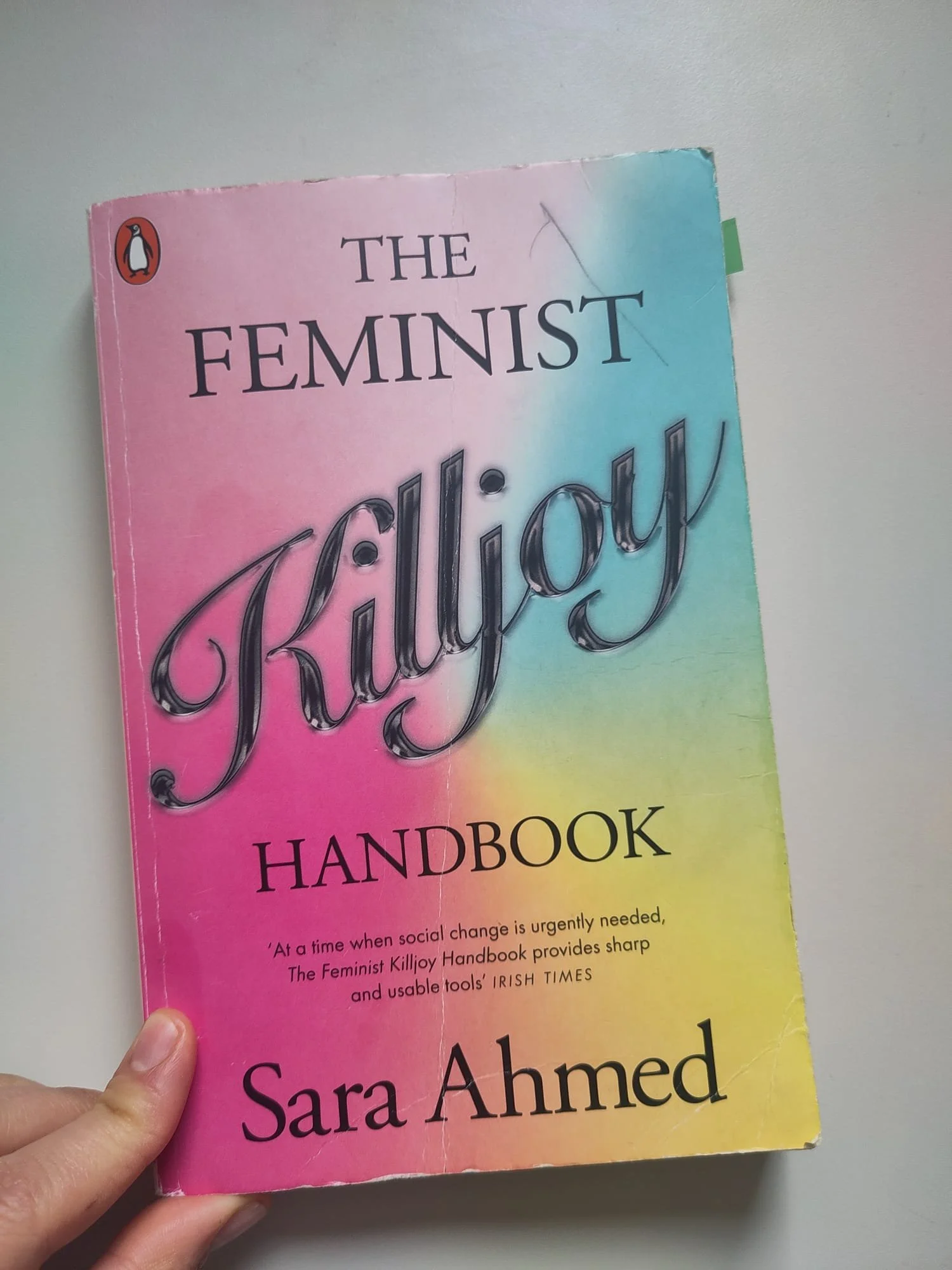
3. Book: The Feminist Killjoy Handbook - Sara Ahmed
waarom? “If you are struggling to find energy for your voice and often feel like standing alone against patriarchal systems, this book is an absolute help. It not only names the unnamed but also provides much-needed validation for struggles within sexist and patriarchal environments. It is also a wonderful book to read together with friends, to gain empowerment and the courage to stand for what you believe in.”
wat en wie? The Feminist Killjoy Handbook (2023) by Sara Ahmed explores what it means to be a feminist “killjoy”, drawing on feminist, queer and anti-racist perspectives to offer tools for recognising and challenging sexism and other forms of injustice in everyday life.
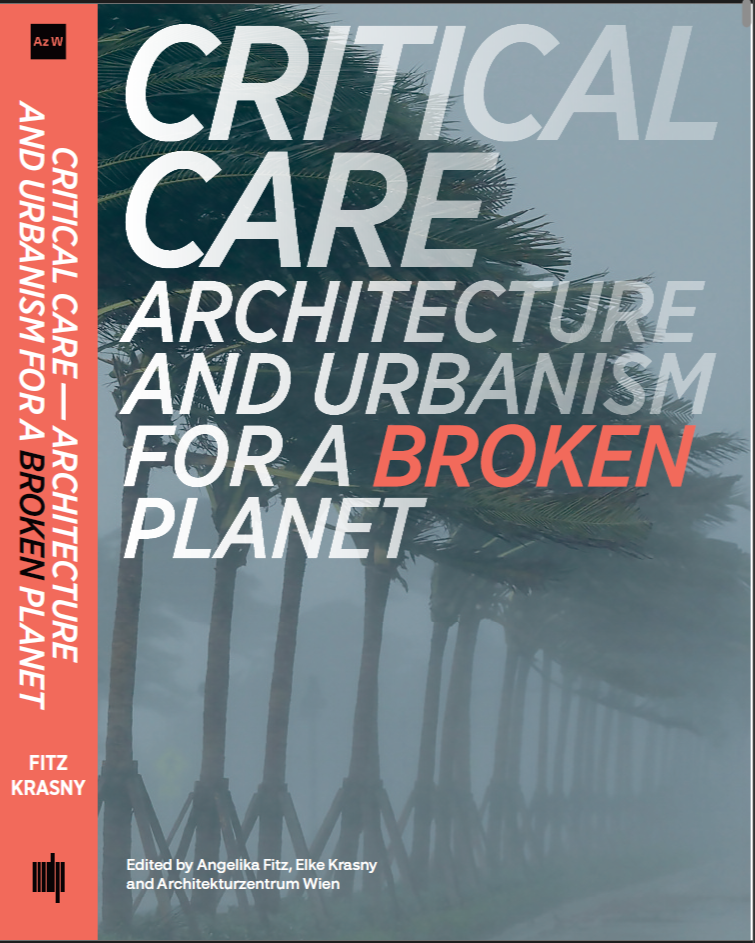
4. Book: Critical Care: Architecture and Urbanism for a Broken Planet - Angelika Fitz, Elke Krasny
waarom? “This collection of essays and case studies emphasizes the concept of care in spatial practices. If you ever feel down or hopeless, just open this book and see how much is already being done in the field. That’s how I personally use it. Additionally, the concept of care proves to be a powerful spatial element in feminist practices—one that is too often overlooked in urban design discussions on ‘women city’.”
wat en wie? Critical Care: Architecture and Urbanism for a Broken Planet (2019), edited by Angelika Fitz and Elke Krasny with Architekturzentrum Wien, explores how architecture and urbanism can respond to economic, ecological and labour crises through practices of care, repair and collective action.