
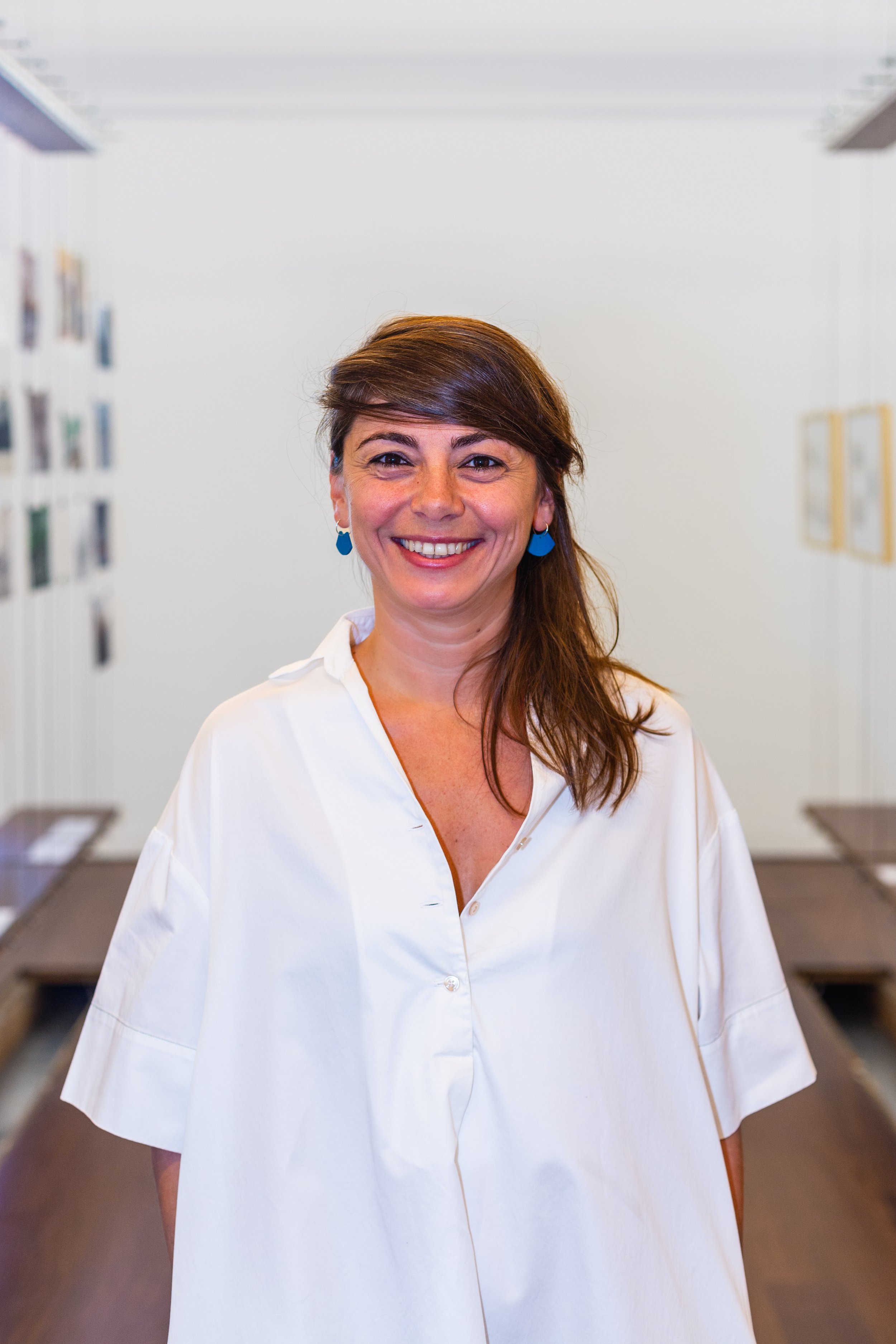
Hülya Ertas
(1982, Istanbul) is a curator and architecture critic. Since 2020, she has been working at the Flanders Architecture Institute in Antwerp as the coordinator of exhibitions and publications. From 2004 to 2020, she worked at the monthly published XXI architecture and design magazine, based in Istanbul. She curates exhibitions, edits books, writes articles and does research. Her main focus is on the societal and political role of architecture and the critical reading of socio-spatial practices. She graduated from Istanbul Technical University, Department of Architecture in 2005 and completed her master’s in architecture at the same school in 2011, with the title The Situationist International on the 1960s Radical Architecture. She completed her PhD in 2024 at the Faculty of Architecture, Campus Sint-Lucas Brussels, KU Leuven, entitled Towards a Critique for the Architecture of the Commons. She is currently based in Brussels.
Photo: Dieter Daniëls
Tip
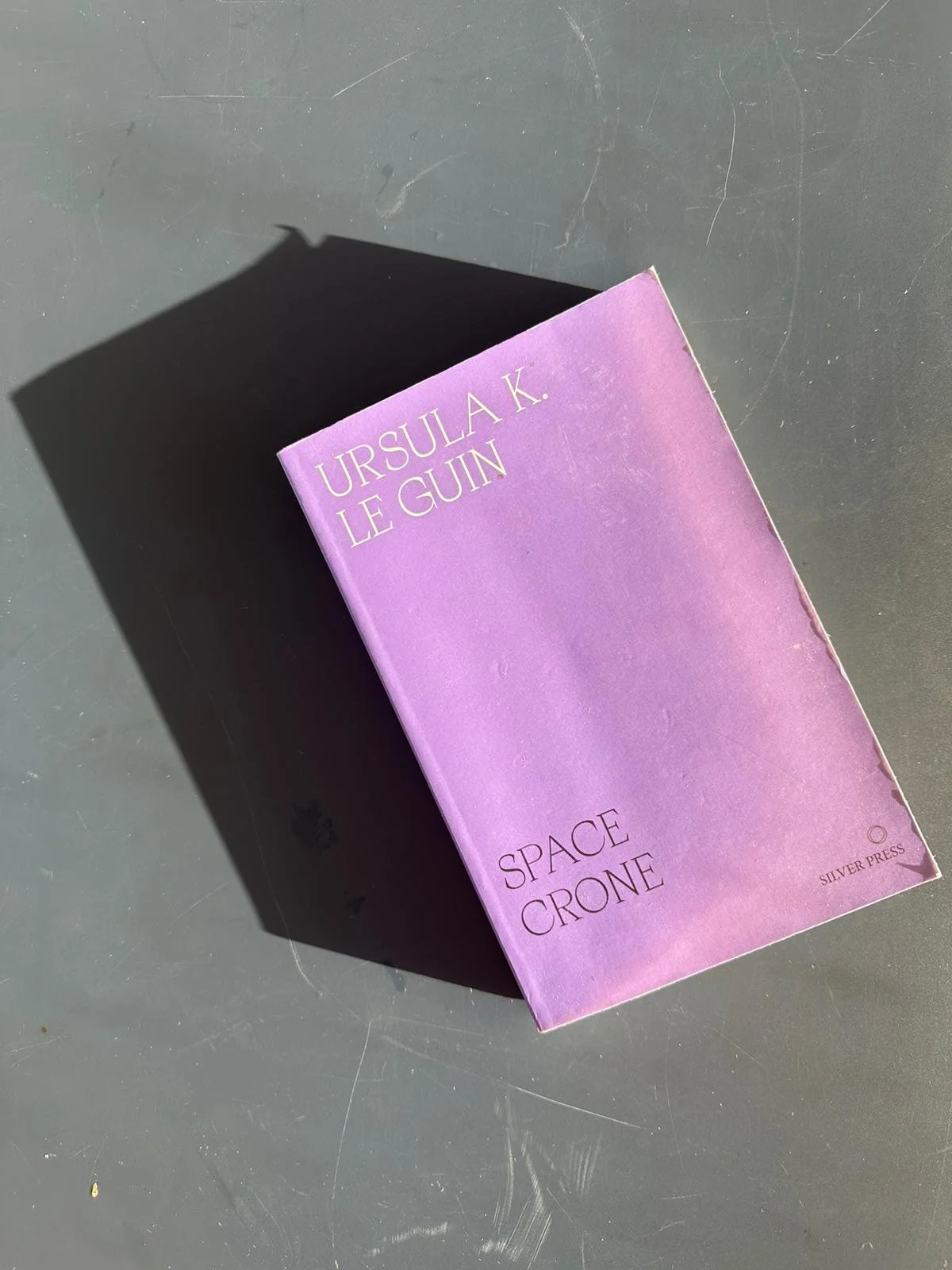
Book: Space Crone - Ursula K. Le Guin
waarom? “It is a collection of her speeches, essays and unpublished short stories. Her first text is on finding the right person to represent the Earth in space. Who would best know about the world, who would best communicate it with extraterrestrials? It would be an old woman, refusing to take the task in all her humbleness. “It will be very hard to explain to her that we want her to go because only a person who has experienced, accepted and acted the entire human condition -the essential quality of which is Change- can fairly represent humanity.”
wat en wie? Space Crone, by Ursula K. Le Guin, is a collection of essays spanning five decades that explores feminism, gender, motherhood, ageing, environmentalism, anti-racism, and non-violence, revealing the evolution of her groundbreaking feminist thought. Published in paperback on 4 March 2023, the 256-page collection won the 2024 Locus Award for Best Non-Fiction.
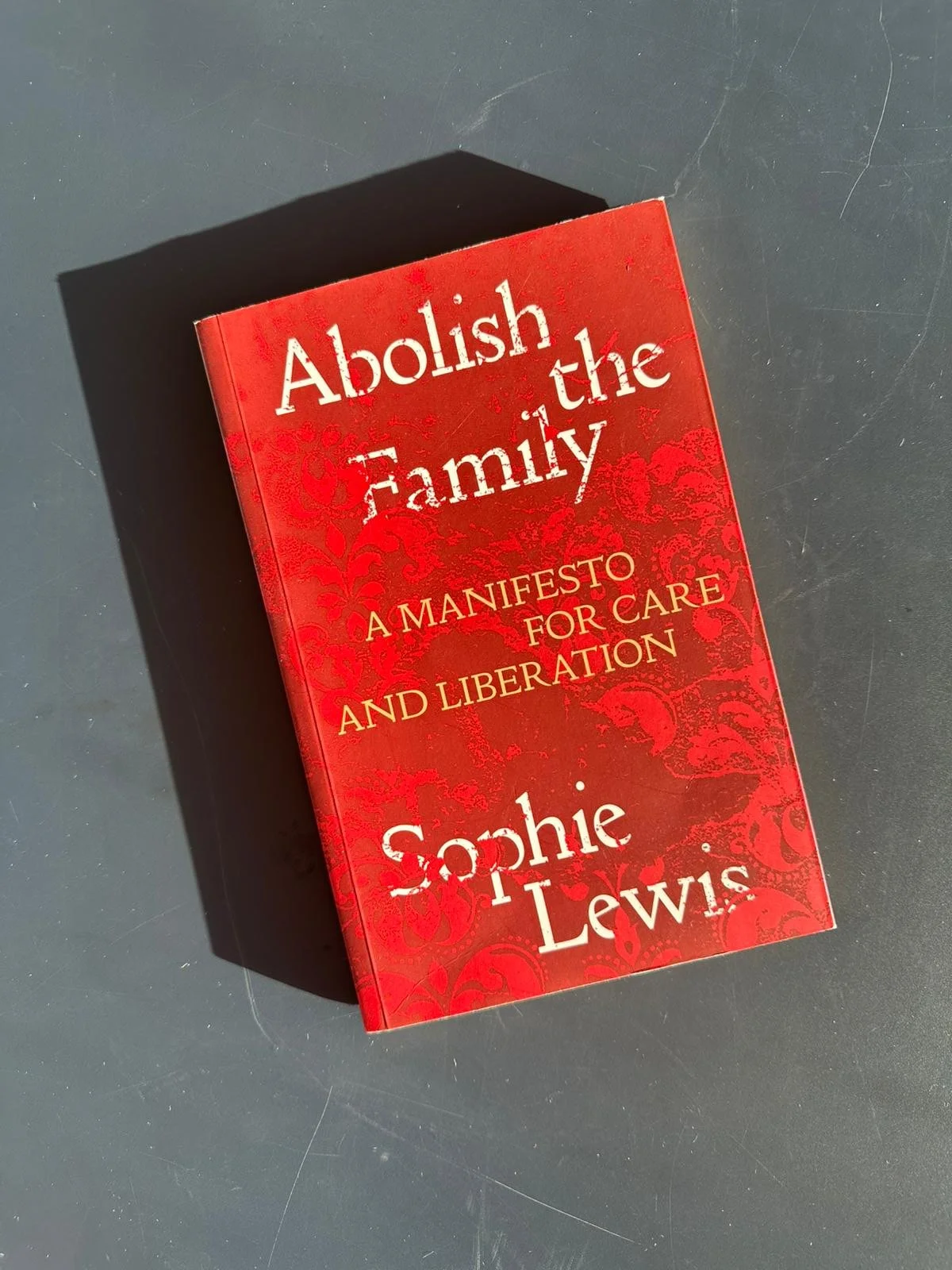
2. Book: Abolish the Family - Sophie Lewis
waarom? "Despite a difficult start with a bumpy flow of recognition and critique of feminist figures, this book is a reminder for the radical ideas in history. According to Lewis, abolishing the family is the way to build different types of solidarities that are not based on gendered habits in the everyday. I learned about the smile boycott from this book: “Shulie helped sabotage bridal fairs, assailed beauty pageants, and earnestly floated the tactical possibility of a ‘smile boycott’ (because ‘the smile [of] the child/woman… indicates acquiescence of the victim to his own oppression’).”
wat en wie? Abolish the Family: A Manifesto for Care and Liberation by Sophie Lewis argues that the traditional family is often a site of inequality and harm, and makes the case for replacing it with broader, more collective forms of care and support. Published on 4 October 2022, the book traces the history of family abolitionist thought from nineteenth-century socialism to contemporary feminist and queer theory.
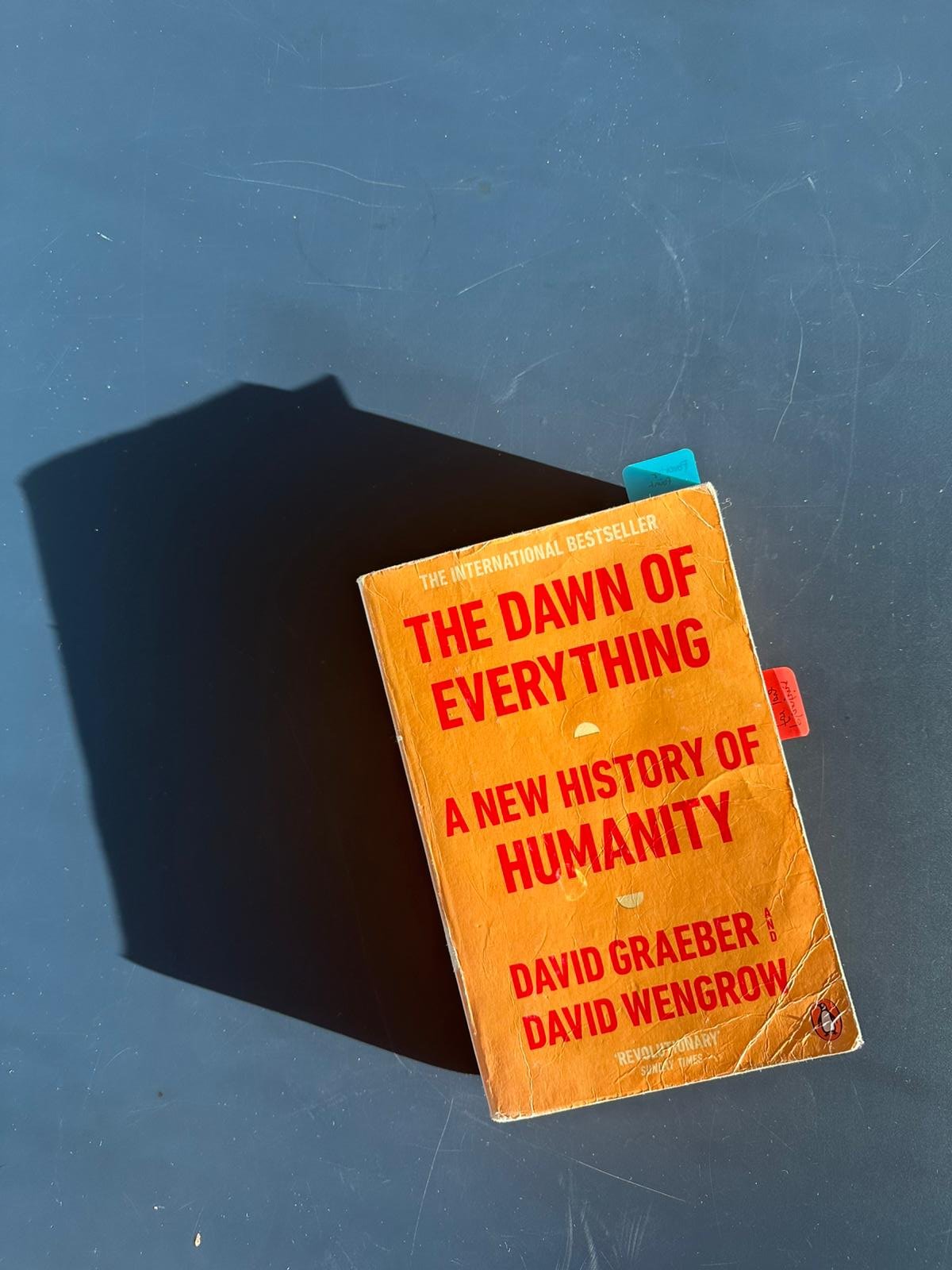
3. Book: The Dawn of Everything: A New History of Humanity - David Graeber and David Wengrow
waarom? “Pretty much all the available evidence from Minoan Crete suggests a system of female political rule -effectively a theocracy of some sort, governed by a college of priestesses. We might ask: why are contemporary researchers so resistant to this conclusion?” The whole book is about the politics behind reading historical evidence. It is an extraordinary journey through time and space where we see how different groups of people decided to live together, how they organised themselves, were governed and in most cases were non-governable.”
wat en wie? The Dawn of Everything: A New History of Humanity is a 2021 book by the anthropologist David Graeber and the archaeologist David Wengrow. Describing the diversity of early human societies, the book critiques traditional narratives of history's linear development from primitivism to civilization