
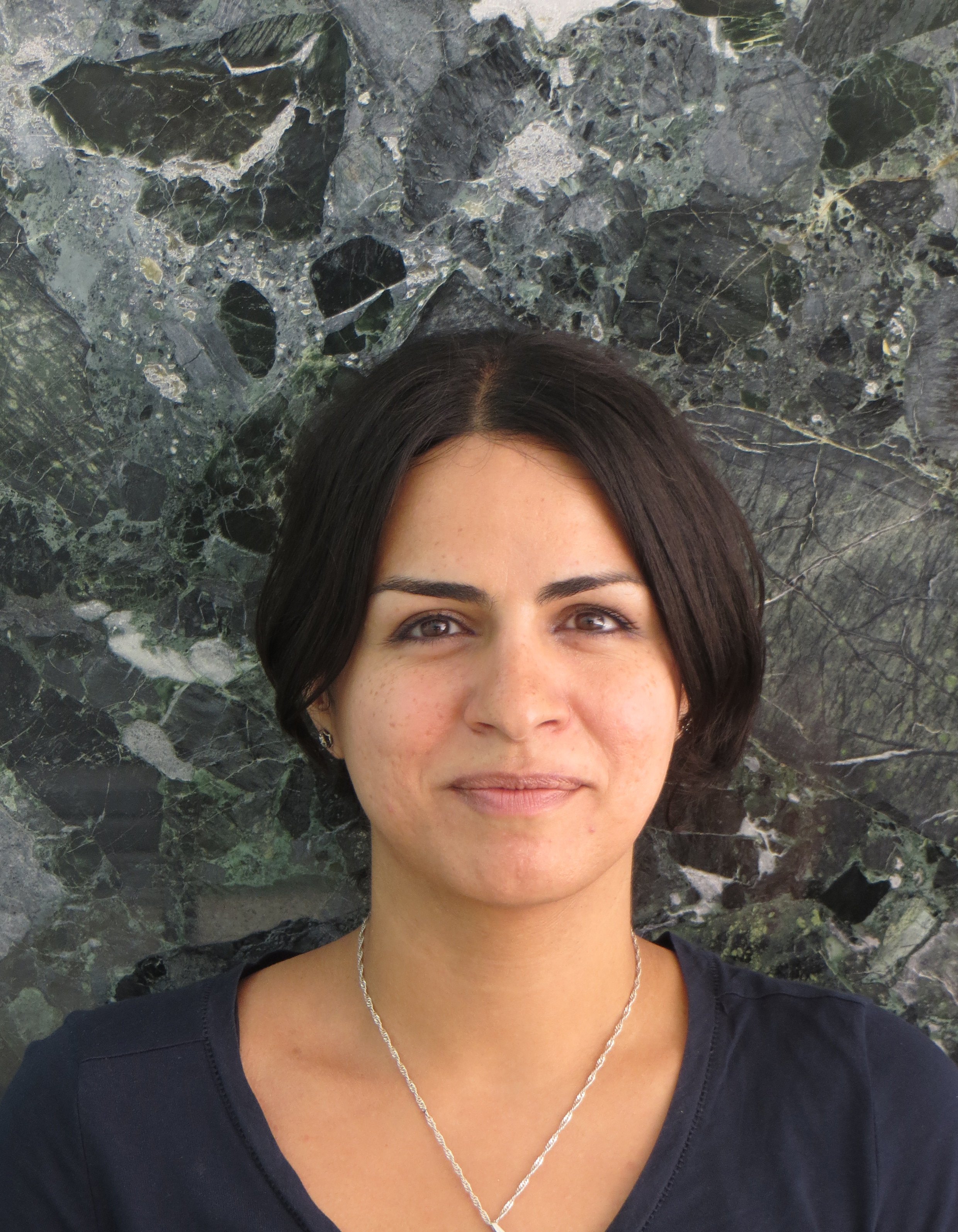
Negin Eisazadeh
is an engineer-architect (University of Tehran) and architectural historian (Shahid Beheshti University) holds advanced master’s degrees in Conservation of Monuments and Sites (RLICC, KU Leuven) and Digital Humanities (KU Leuven). As a member of KU Leuven’s Research[x]Design group (Department of Architecture, Faculty of Engineering Science) and ULiège’s DIVA research group (Faculty of Architecture), her PhD research focuses on how built heritage can be made more inclusive. Through diverse case studies she explores how to leverage disability experience to inform a more inclusive approach to built heritage conservation.
- Speaker at PAF on 30 September 2025.
Tips
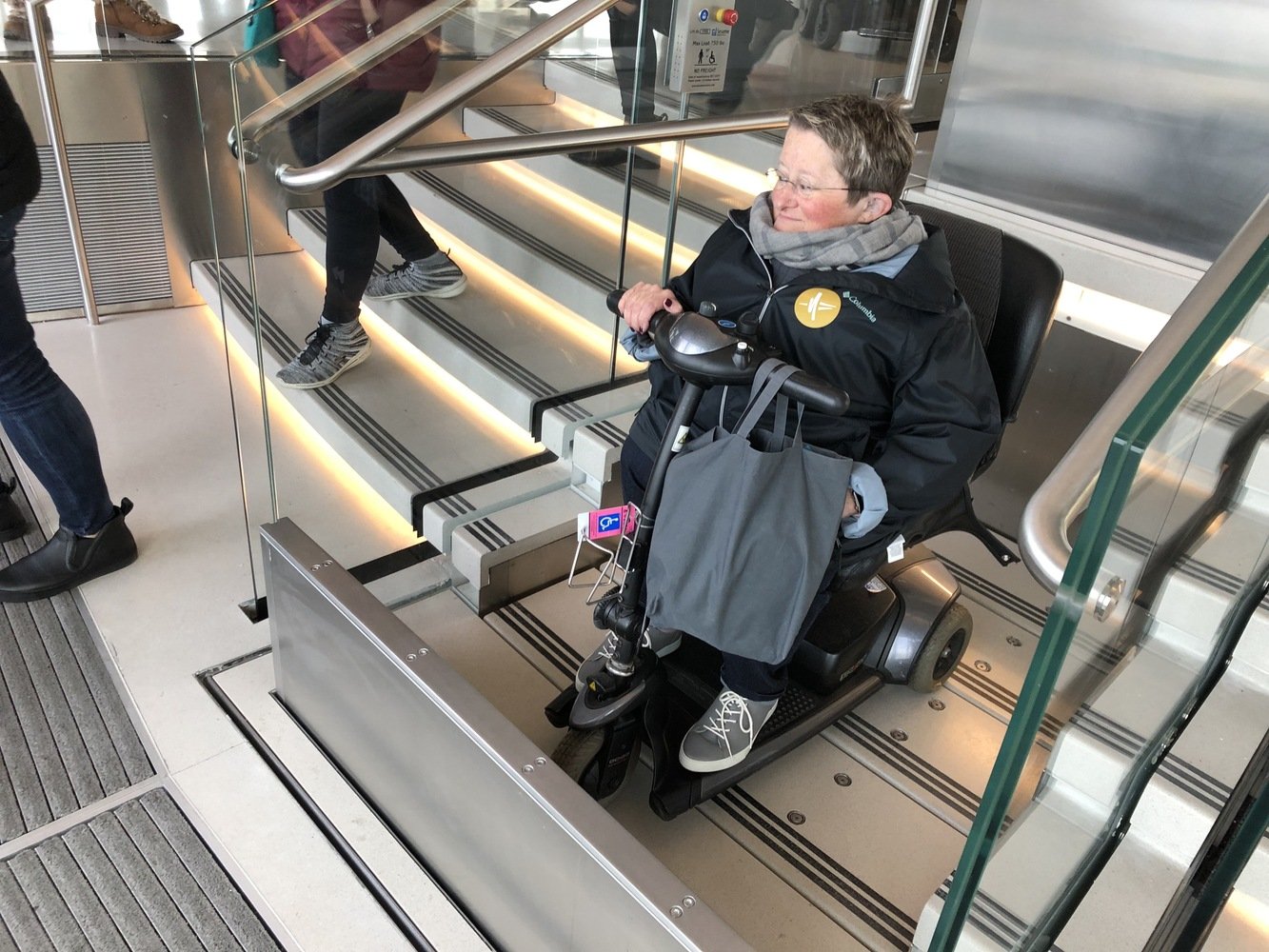
1. Artikel / Interview: ArchDaily, Anna Zappia - Karen Braitmayer, Founder of Studio Pacifica, Weighs in on Accessible Design
waarom? “In this interview with Karen Braitmayer, her work as an architect and accessibility consultant highlights how designing for accessibility begins with understanding other people’s worlds. She reflects on the importance of changing the lens of architects and on engaging consultants with lived experience of disability to shape better environments. The interview underlines that accessibility and architectural quality are not in opposition: accessible projects can be beautiful projects. Braitmayer also broadens current discussions on diversity in architecture by drawing attention to the need for greater recognition of designers with diverse abilities, alongside existing efforts related to gender and race. ”
wat en wie? Dit is een artikel van Anna Zappia dat de focus legt op een interview met Karen Braitmayer. Het artikel werd 2020 gepubliceerd op ArchDaily.
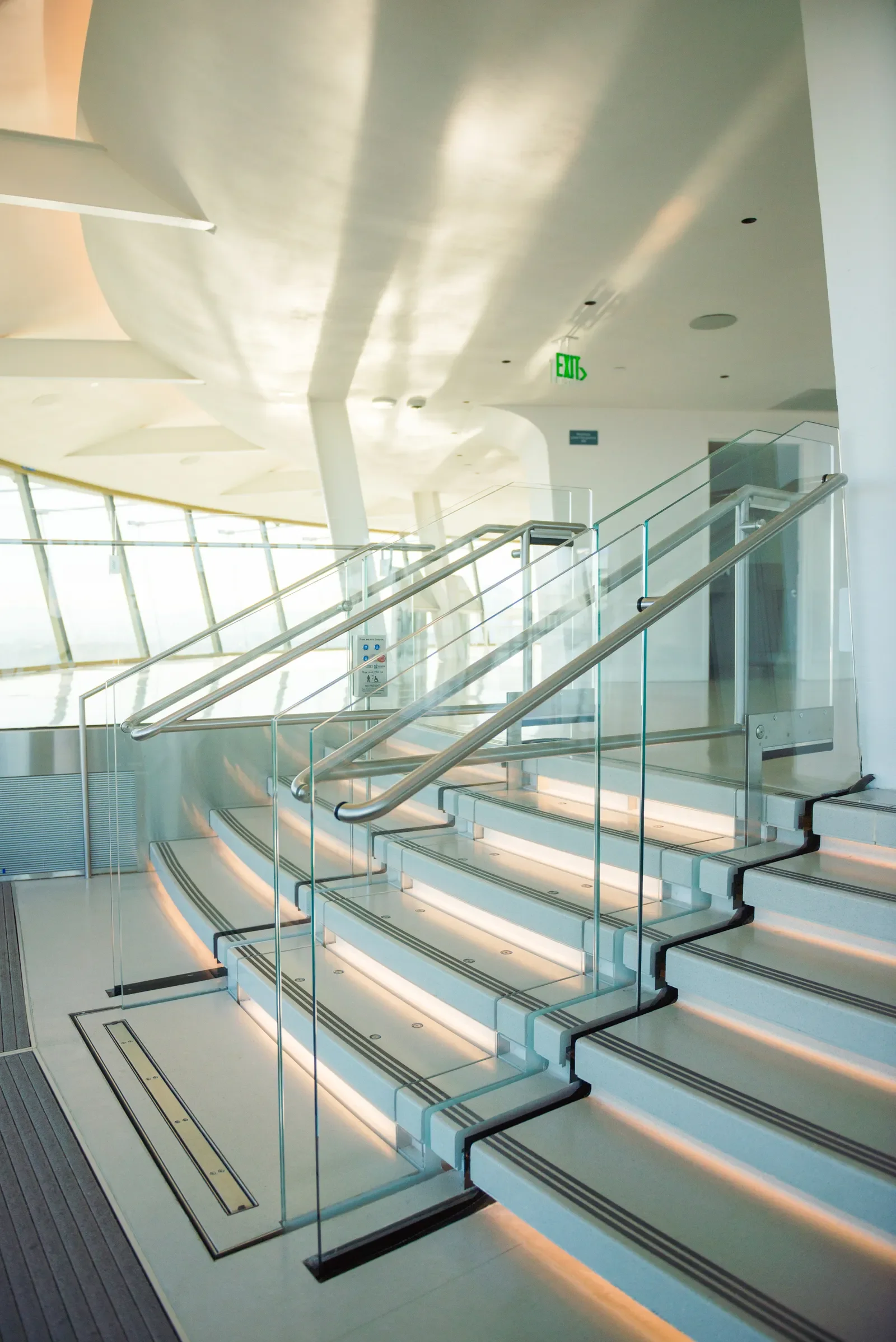
2. Artikel: Architectural Digest, Fred A. Bernstein - Design for All: Karen Braitmayer
waarom? “What stood out most in this article is Karen Braitmayer’s clear articulation that inclusive design is not an added layer to architecture but the foundation of good design itself. Her reflection, “if somebody can’t get into your space, that isn’t good design,” powerfully reframes accessibility as a core design value rather than a regulatory obligation. For the PAF community, this piece reinforces how centering lived experience challenges long-standing design norms and helps position accessibility as a shared value of care, justice, and architectural quality, rather than a technical constraint.”
wat en wie? Dit is een artikel geschreven door Fred A. Bernstein, gepubliceerd in 2021 op Architectural Digest.
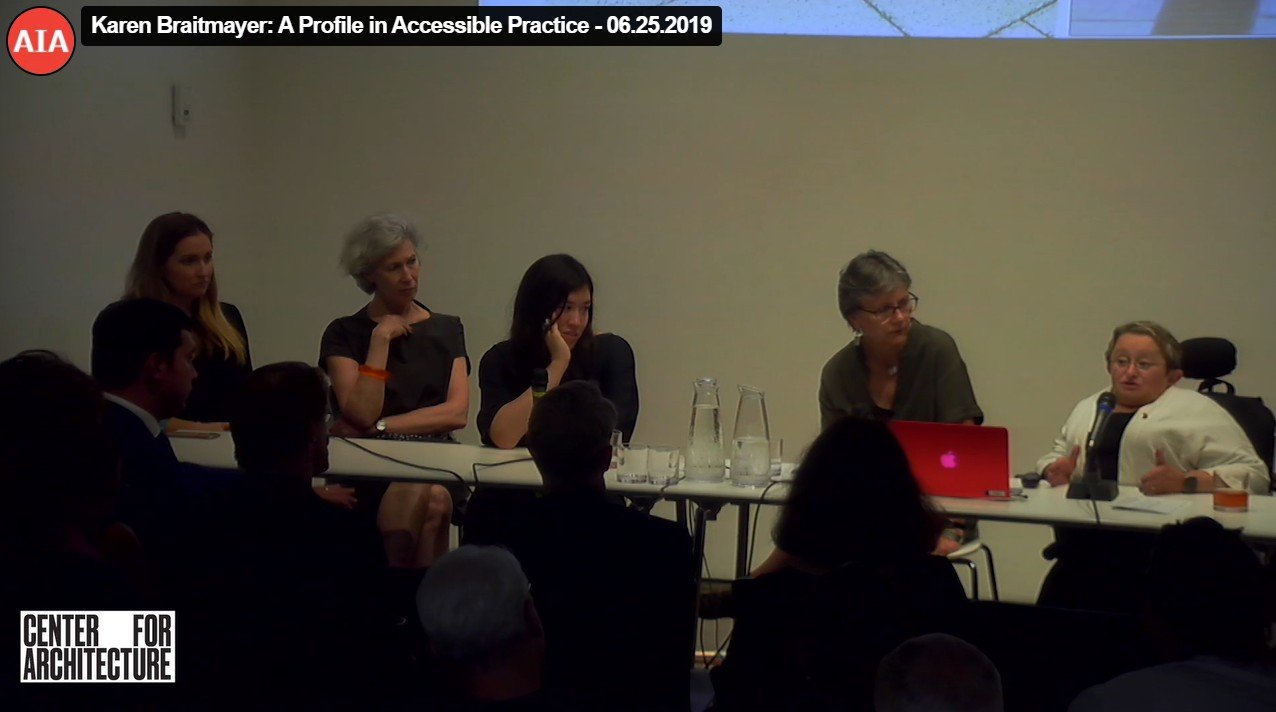
3. Presentatie / panelgesprek: American Institute of Architects (AIA), Center for Architecture - Karen Braitmayer: A Profile in Accessible Practice (25 juni 2019)
waarom? “Architect Karen Braitmayer was named the 2019 recipient of the AIA Whitney M. Young Jr Award for her contributions to inclusive, universal, and accessible design. In this talk, she presents her work, drawing on both professional projects and her own home, selected for the “Accessibility is Beautiful” initiative by the Cerebral Palsy Foundation. The presentation is followed by an expert panel that reflect on her work and discuss current directions in accessible design. The video offers valuable insights into how lived experiences can shape more inclusive architectural practices. Members of the PAF community may appreciate how this talk connects accessibility, design quality, and advocacy, and how it challenges designers to rethink what they consider “good” design.”
wat en wie? Dit is een presentatie en panelgesprek van het AIA Center for Architecture, waarin Karen Braitmayer haar werk rond toegankelijkheid toelicht. Panelleden zijn Rachel Byrne, Cara McCarty en Xian Horn, gemodereerd door Barbara Weinreich.