Report: What would a non-ableist city be like?
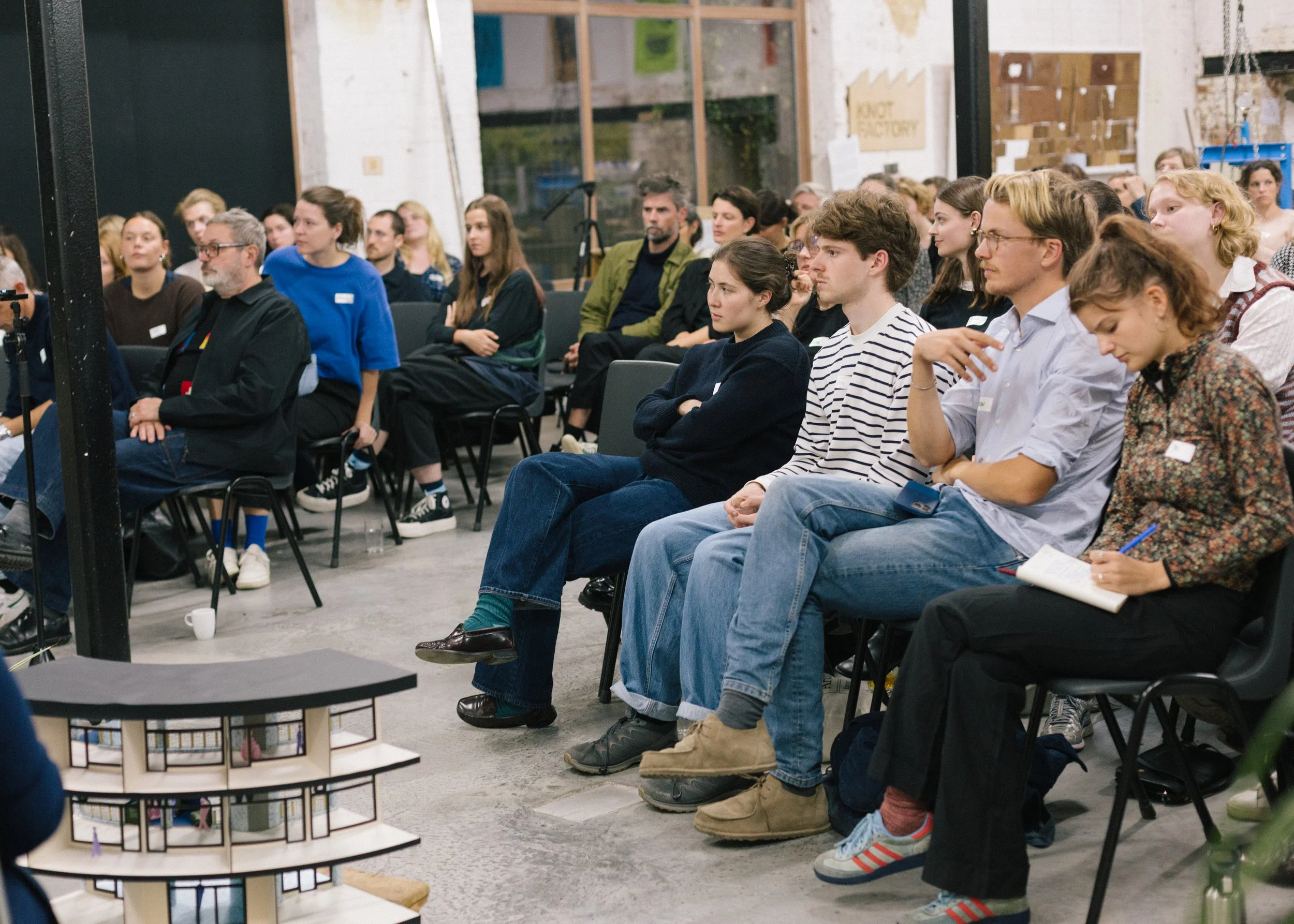
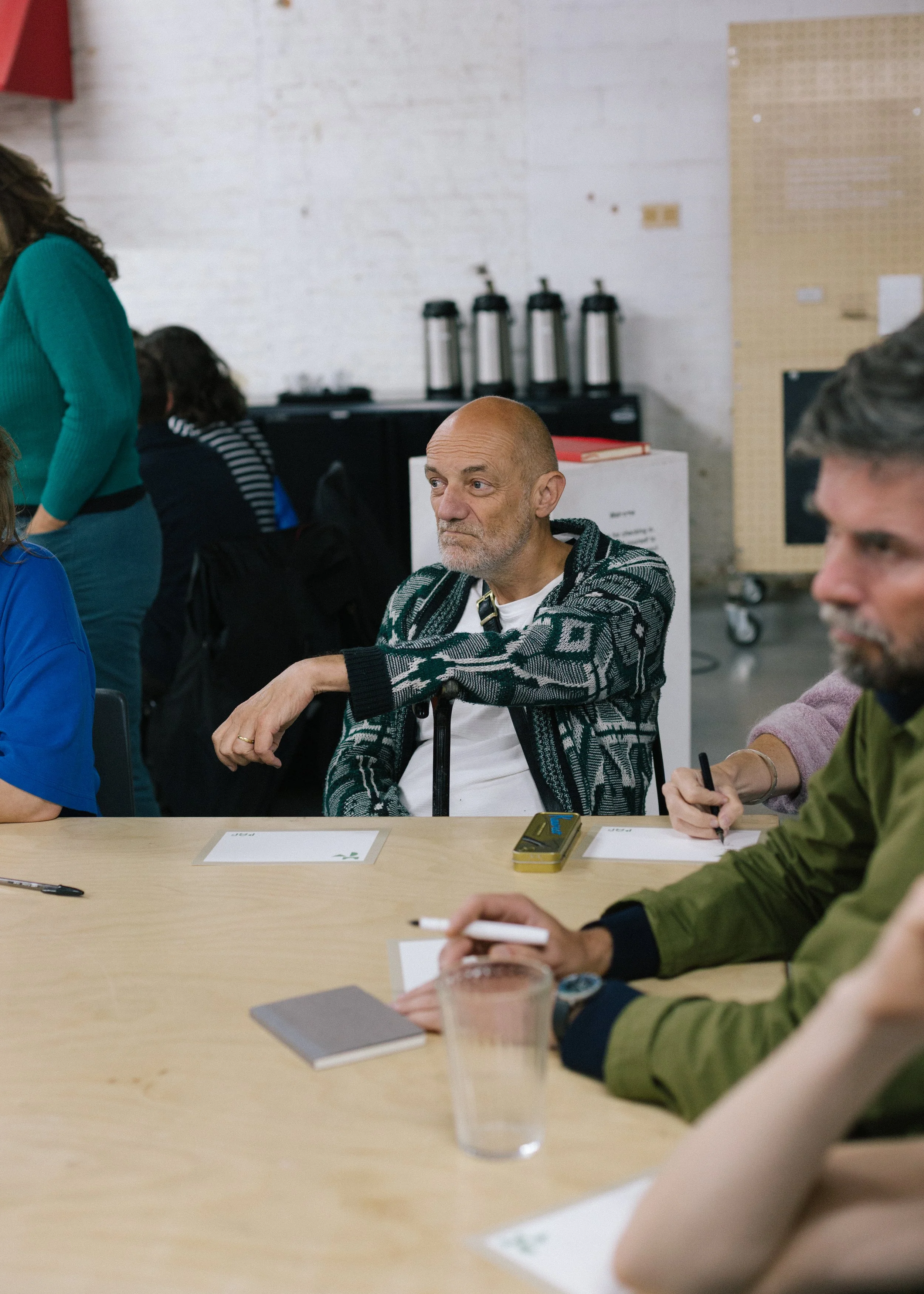
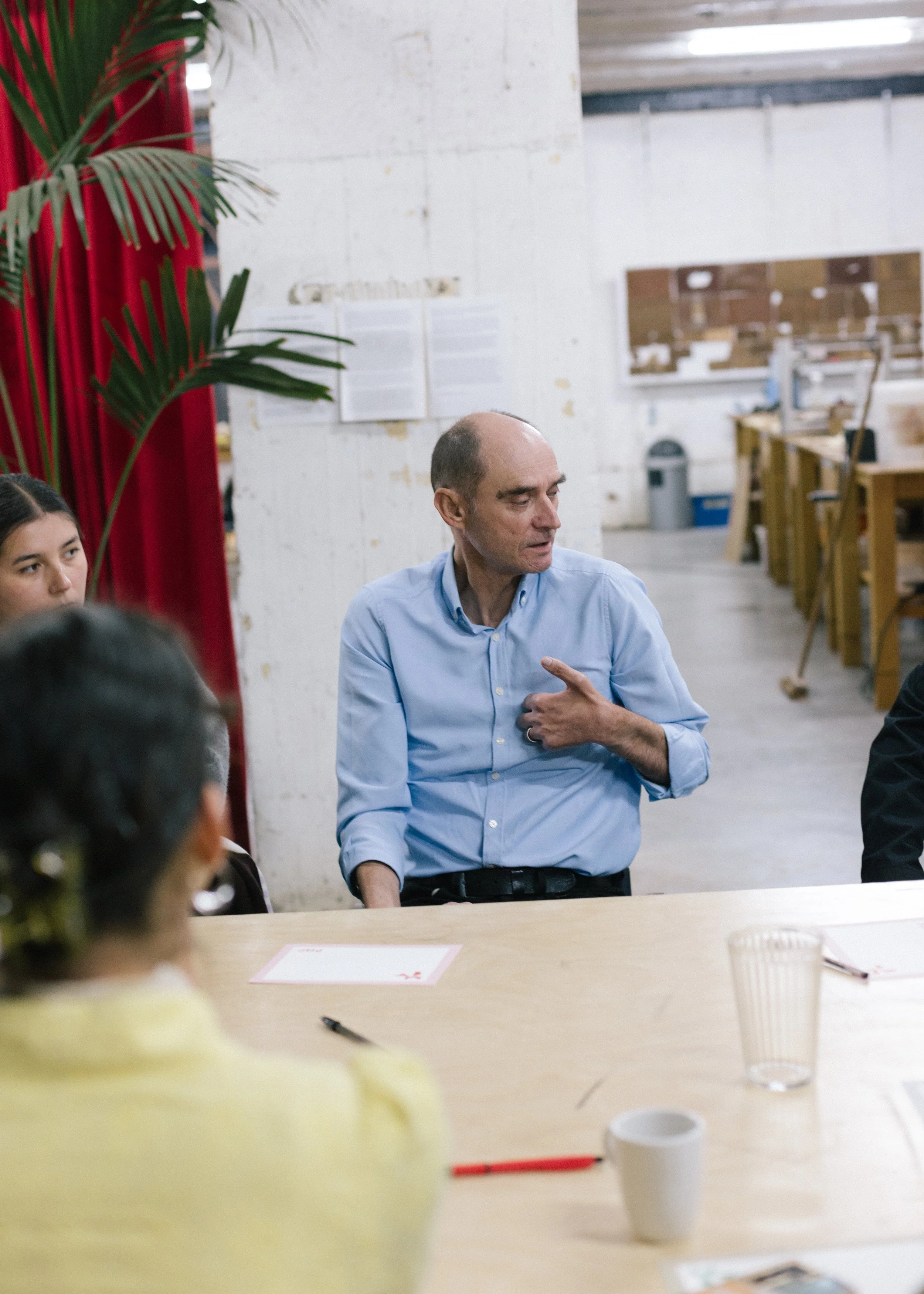
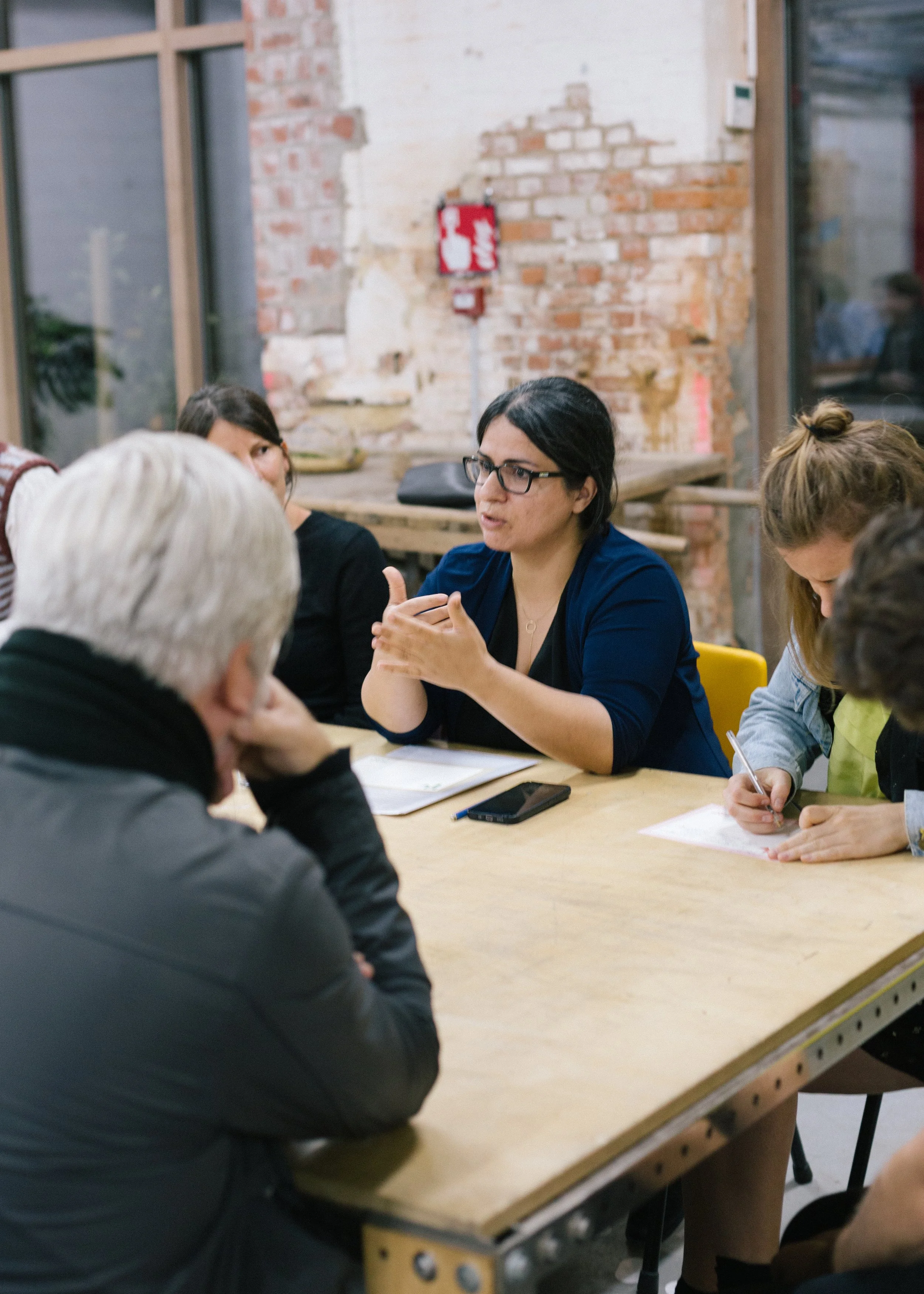
What if we approached architecture by seeing bodily differences and lived experiences not as problems to fix, but as starting points for design? This topic is central to the discussion evening "What would a non-ableist city be like?" on 30 September 2025 at Timelab in Ghent. The event, organised by PAF and Büro Juliane Greb, forms part of Greb’s BWMSTR-label research, which carries the same title and explores possible contours of a non-ableist city. Student Jol Abels joins the evening, and shares her experience of the conversation.
Text: Jol Abels
Photos: Tatjana Huong Henderieckx
Listen to the full audio recording of the discussion evening.
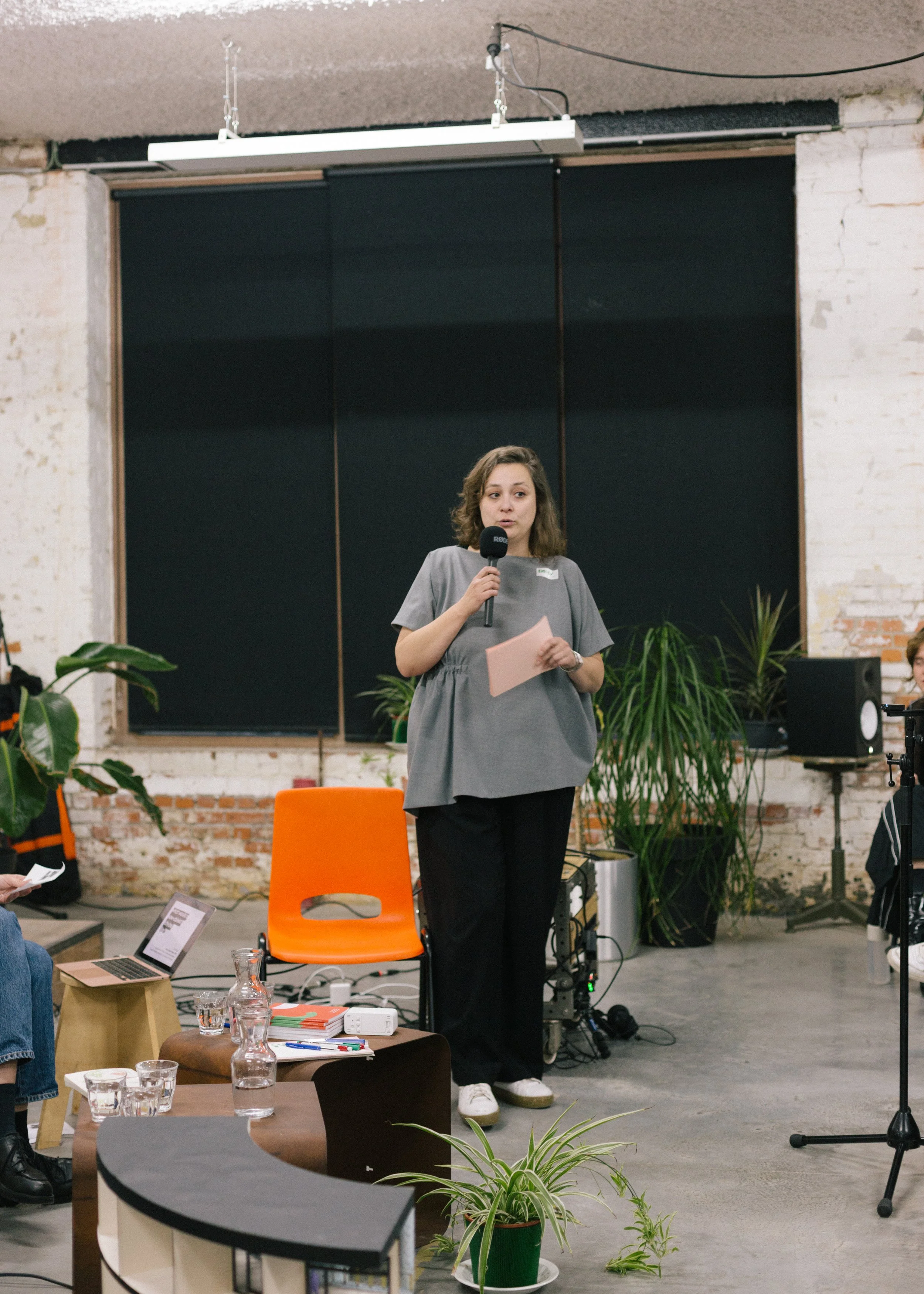
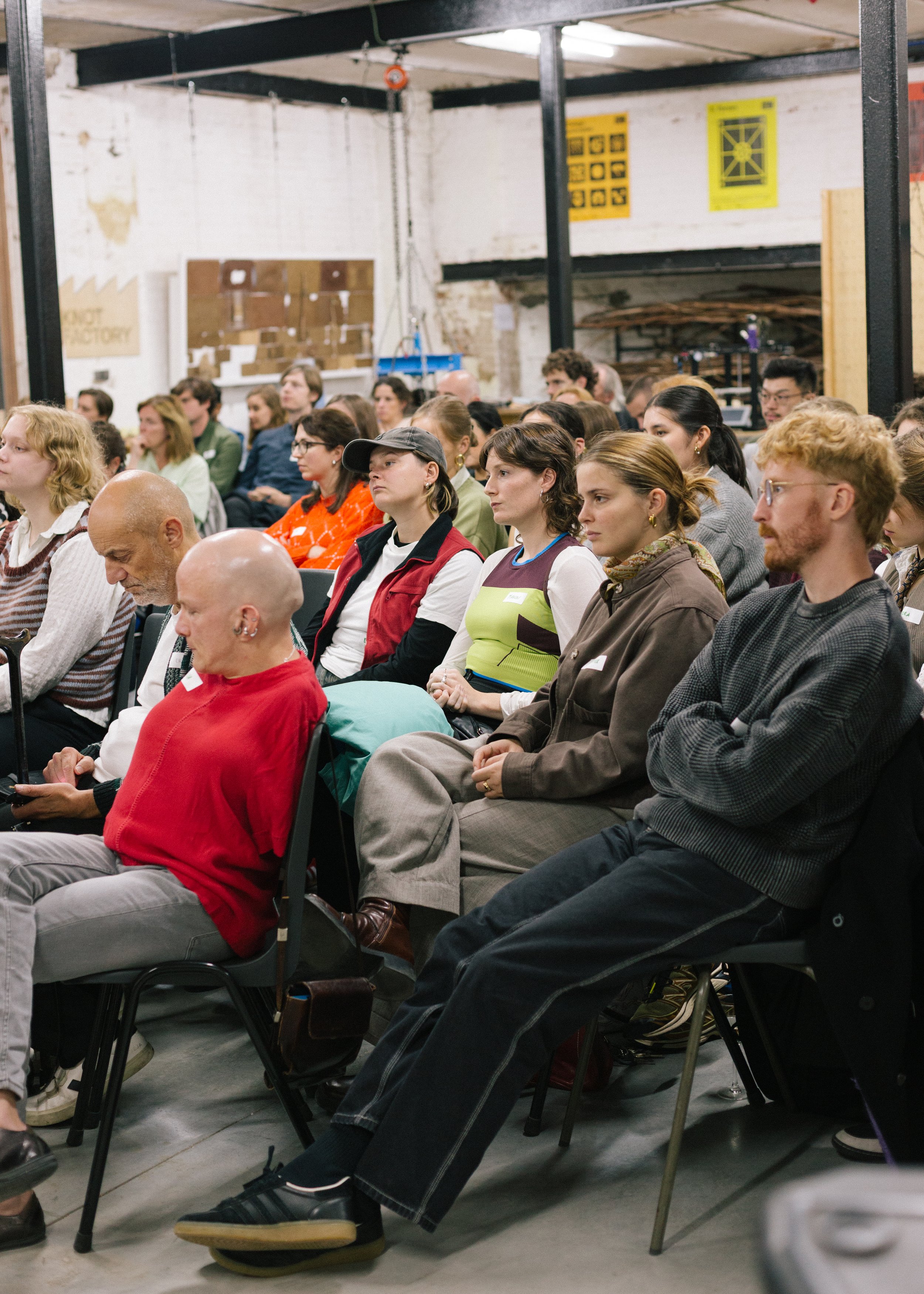
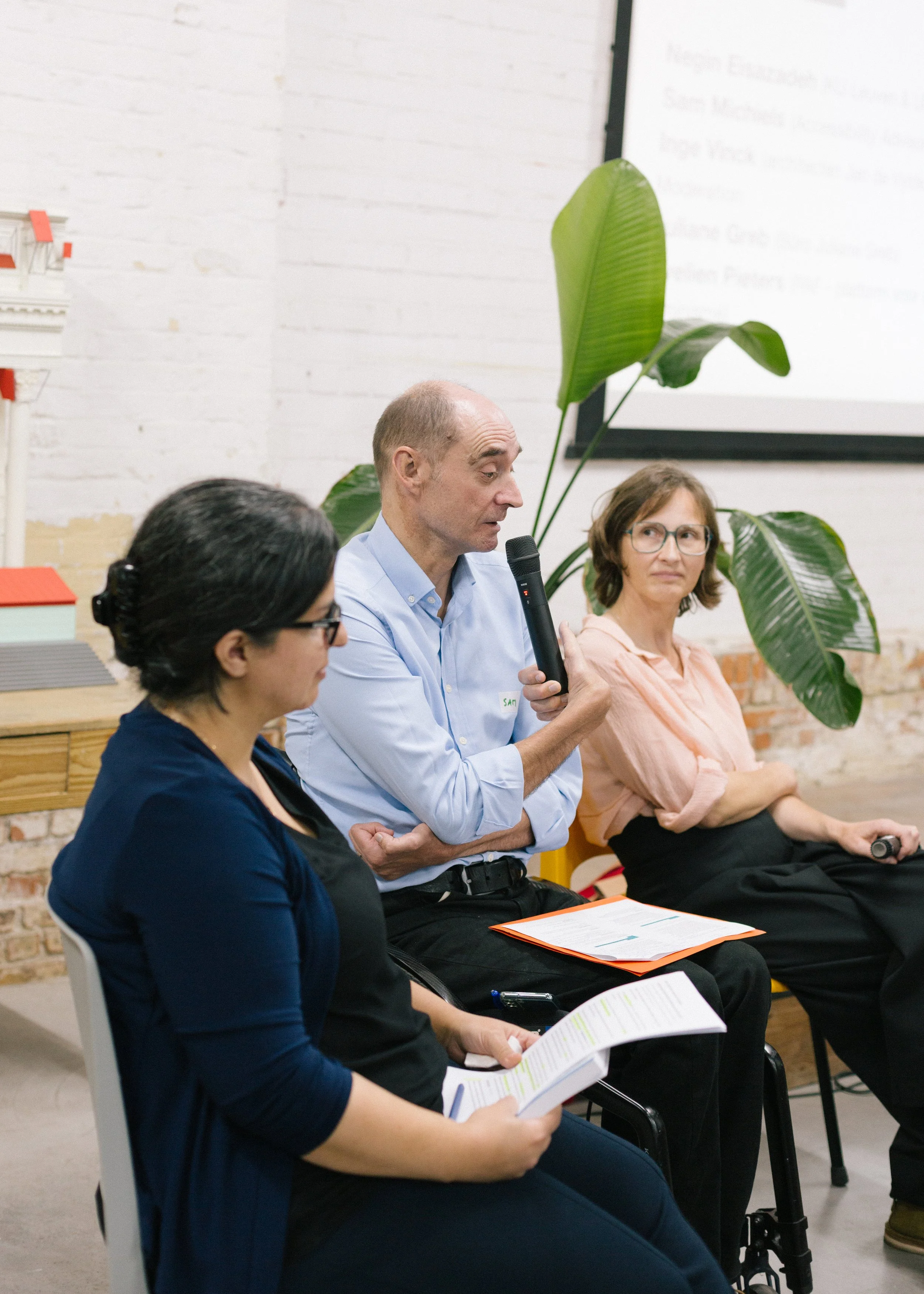
The evening is lead by Evelien Pieters (PAF) and Juliane Greb. They are joined by three panel members, each bringing a professional perspective on the topic: Negin Eisazadeh as architect and researcher, Inge Vinck as architect and founder of Architecten Jan de Vylder Inge Vinck, and Sam Michiels as Chair of the Accessibility Advisory Board.
Be conscious of what you preserve
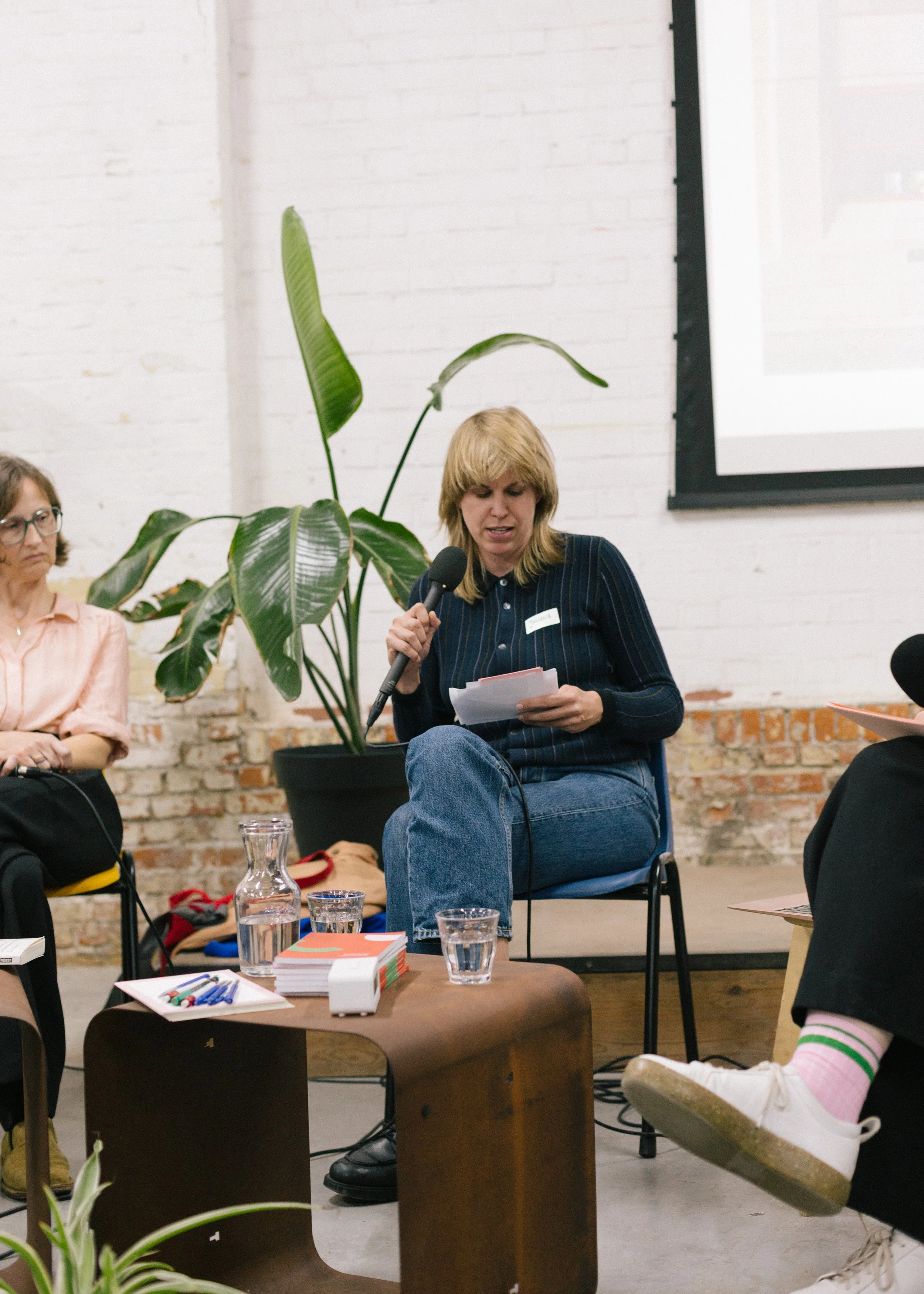
Buildings carry stories and values, but often these are stories of exclusion. How do we engage with historic architecture that is not only physically inaccessible but also represents and reproduces an aesthetic of ableism? That accessibility can actually be a starting point for design, is proven by Juliane Greb and her team when they tackled the German Pavilion for the Venice Biennale. She explains how by transforming the Neoclassical monument, her firm democratized the building by carefully incorporating a ramp into the existing heritage. Her team became hooked on the topic ever since, and the acquisition of the BWMSTR label gave them the opportunity to continue their investigation into the topic. Juliane: “We felt that the discourse was really touching the essence of what we think architecture is about.”
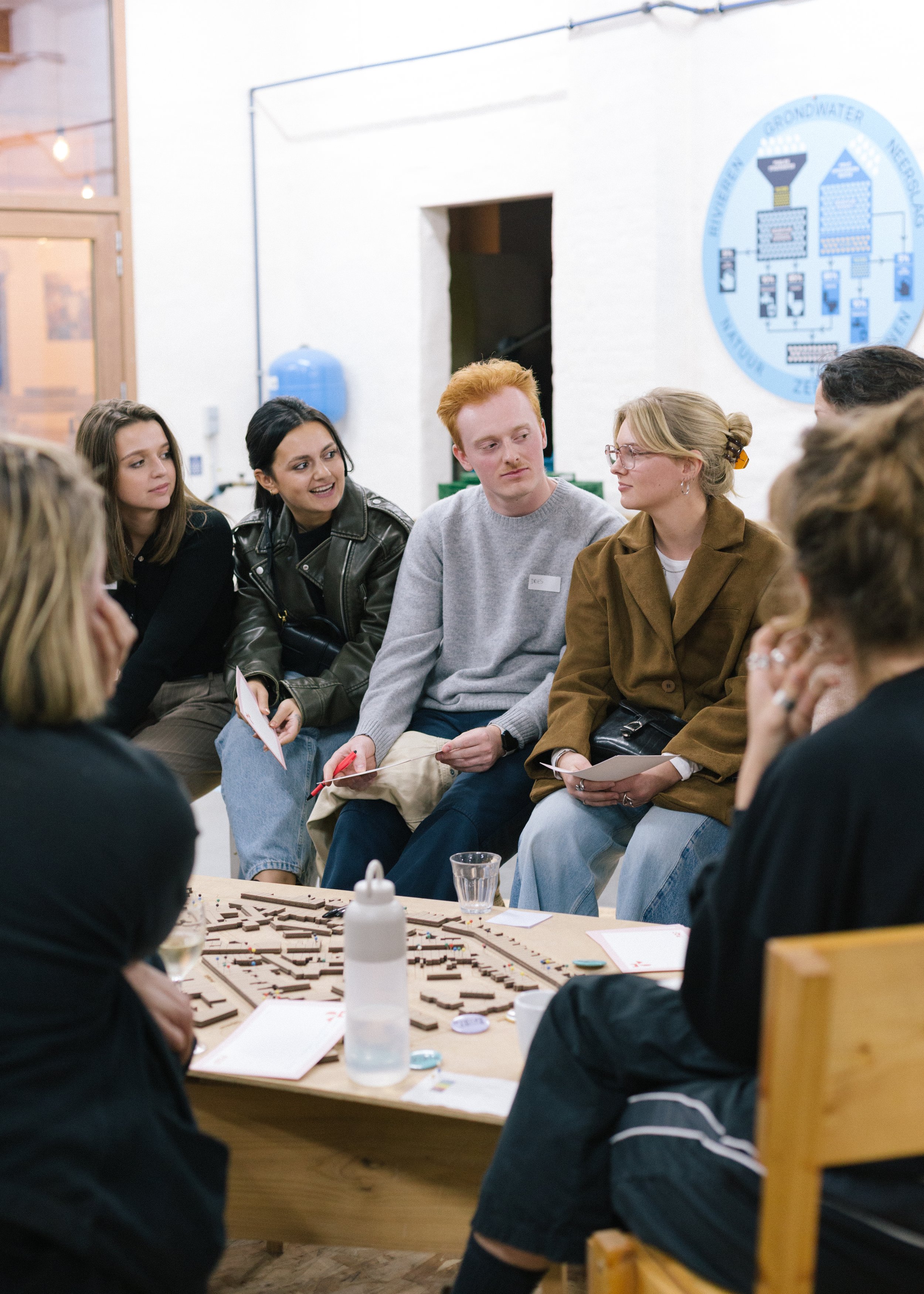
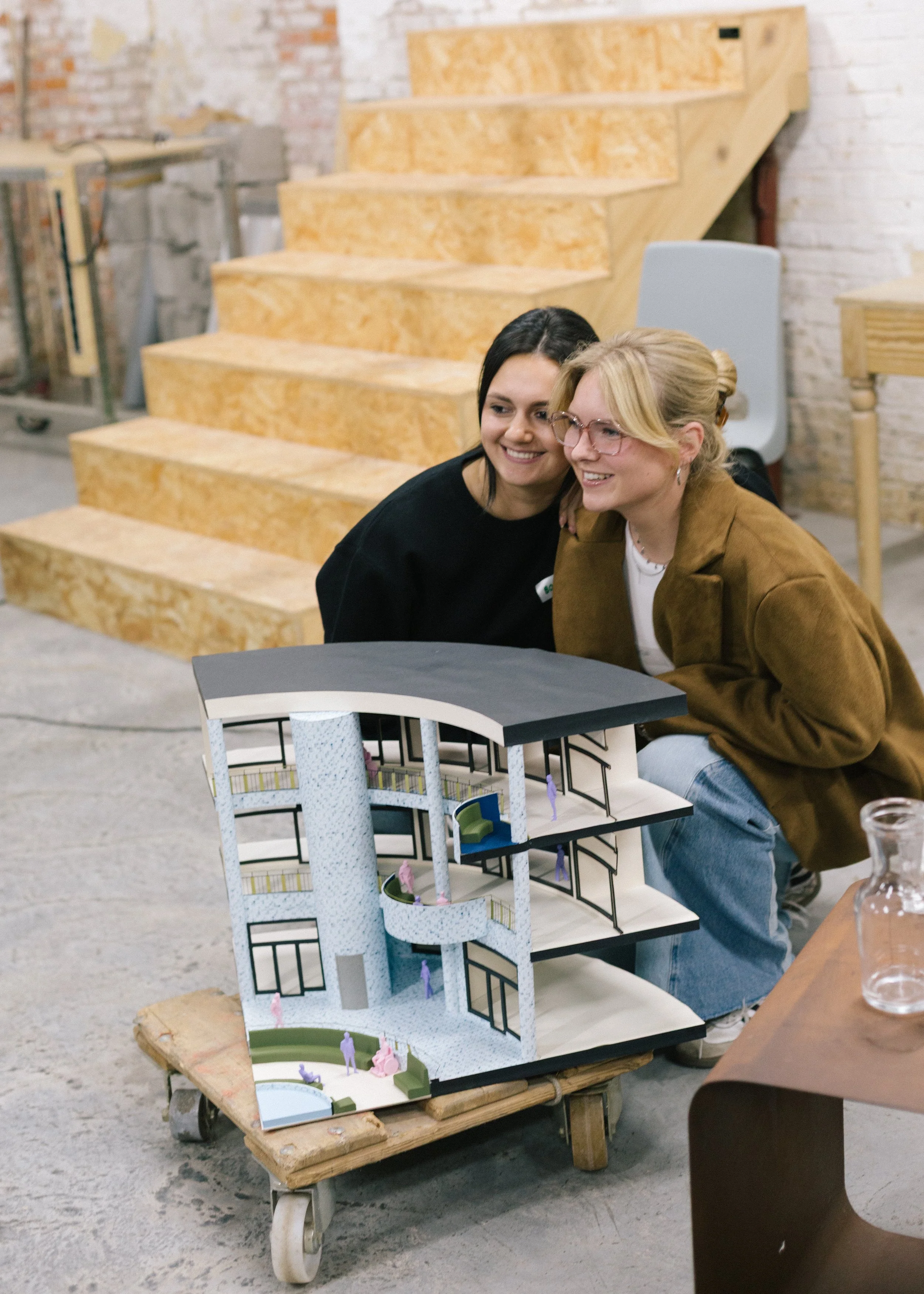
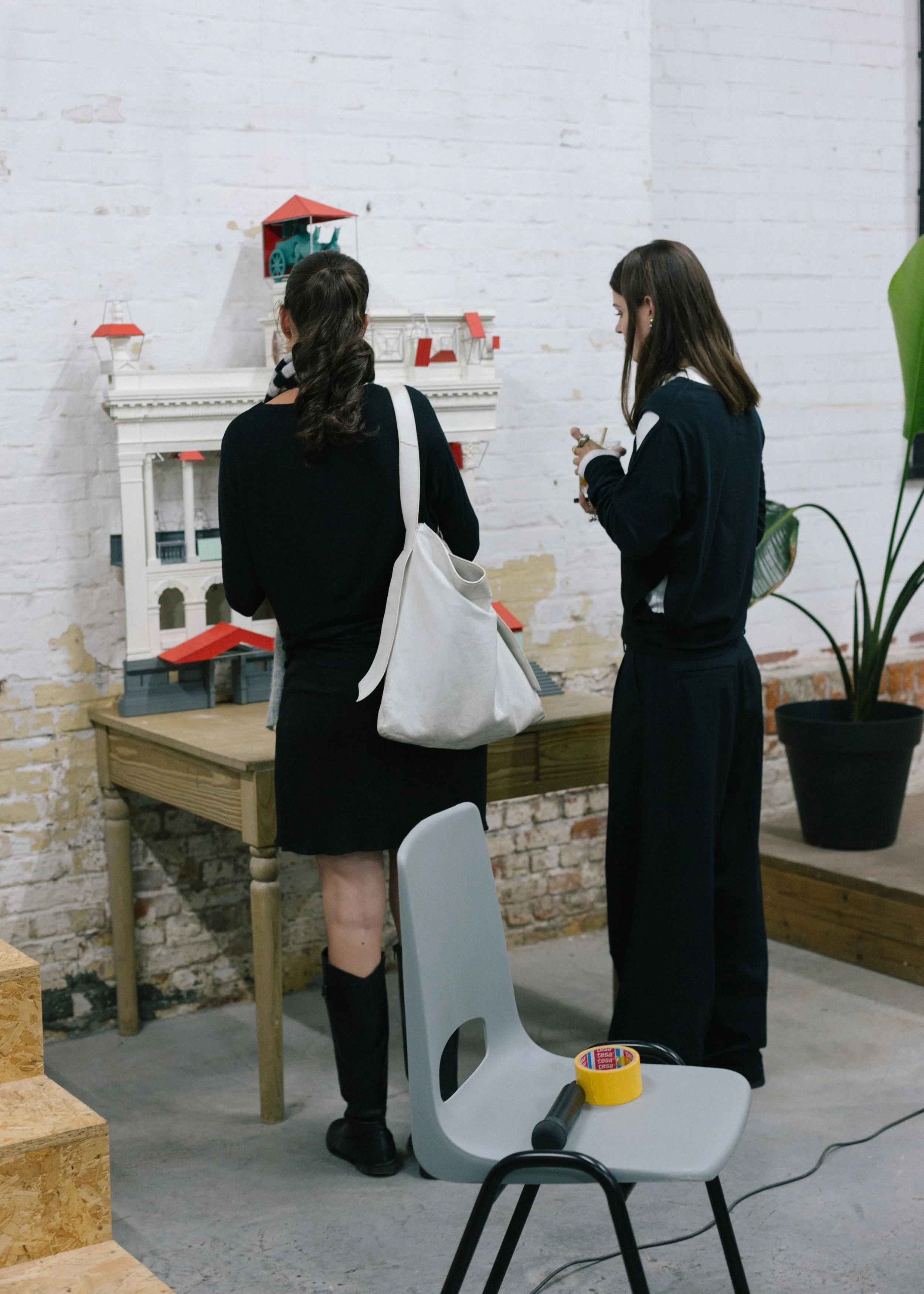
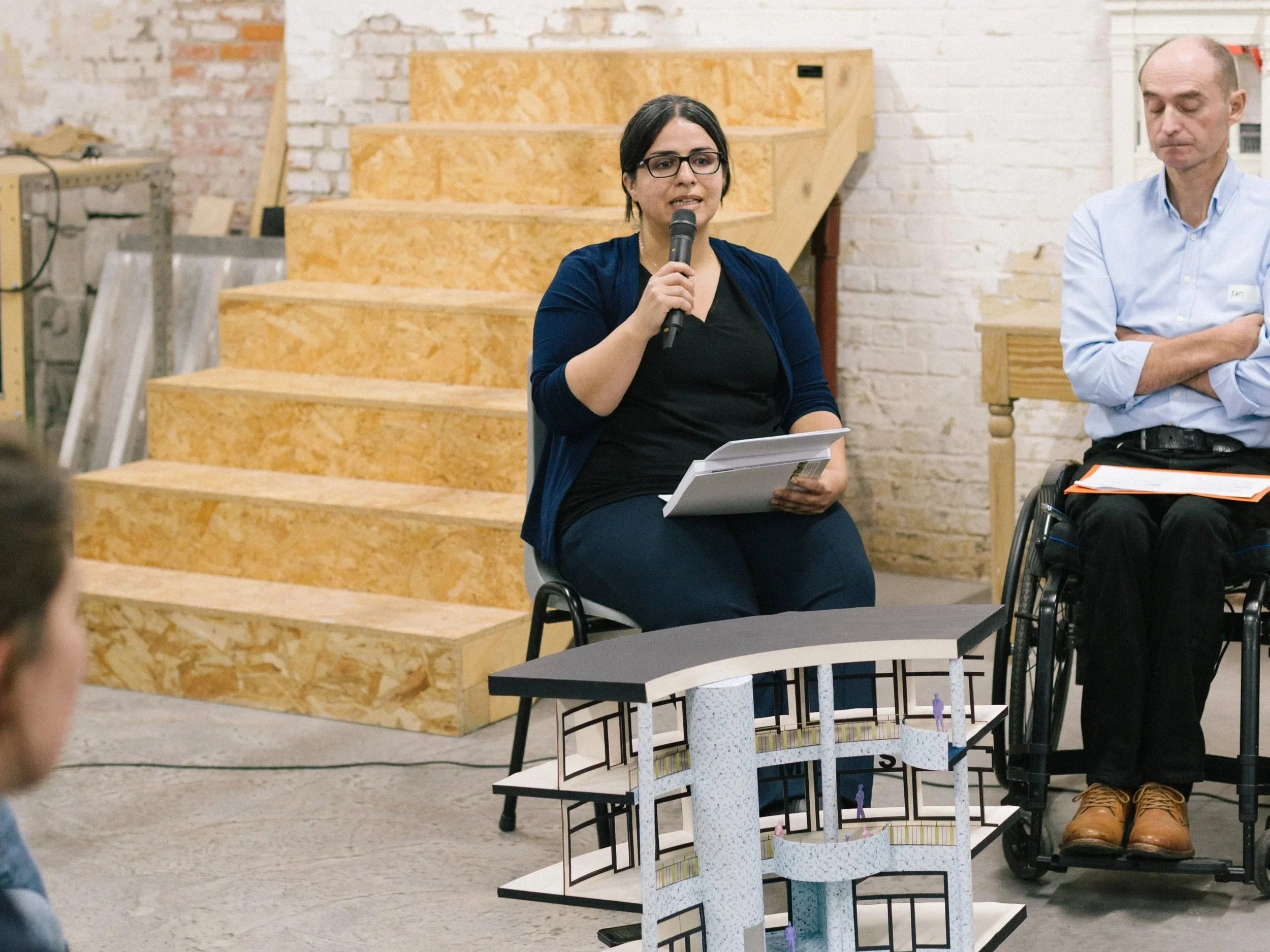
In addition to the design research, she also explored this theme with students at the University of Antwerp. They looked at different historic buildings in Belgium that create strong hierarchies between visitors, disabling some people while privileging others. In the master studios, the students speculated on numerous interventions that take disability as a starting point, moving beyond the limits of the rules and regulations concerning heritage protection. A lot of her students are present in the audience, and the models resulting from the intensive research they conducted are prominently displayed on the stage, outlining the contours of the evening's discussion. The research drew largely from the book 'The Architecture of Disability' by David Gissen, and Juliane starts off the panel discussion with a quote from the book:
“As one perceives the historic past in its maintained historic physical and environmental state, one also perceives the subjects demanding representation within the built environment.”
David Gissen states that as long as we keep preserving historical buildings in their original state, they will also keep on representing and reproducing the values they stand for. And because traditional preservation keeps representing traditional values, the heritage field should be changing towards new approaches to conservation with the aim of enabling historic sites to accommodate a broader range of users.
Redefining conservation practices
Someone researching heritage and accessibility is Negin Eisazadeh. Negin has various degrees in architecture, architecture history, and an advanced master’s degree in Conservation of Monuments and Sites. She recently completed her PhD research on how to make built heritage more inclusive. Within her research, in the Leuven Town Hall case study, the interactions of four user/experts with the built environment have been observed. The user/experts have a diverse range of abilities: a user/expert with a vision impairment, a user/expert with a hearing impairment, a wheelchair user, and an autistic user/expert. They offer, with their unique experiences, complementary perspectives in understanding the built environment. Negin: “they even brought us to the point of discussing what heritage is, even questioning that, and trying to rethink the whole process. These complementary perspectives helped redefine how heritage can be seen, not just as an objective but as a cultural process that is defined in interaction with people.”
Negin claims that, in conservation practices, one should not only take care of the historic place, but also take care of the people, for whom the interaction between people and space defines the heritage. This interaction then shapes how the historic site should be approached, and how it should be preserved.
This added layer of accessibility onto a heritage site is not new or contemporary. Negin illustrates this with an example out of an article of David Gissen. The Acropolis of Athens was more accessible in its historic state than after its renovation which destroyed a historic ramp. This example challenges the argument that accessibility always opposes the heritage authenticity.
Letting go of historic layers in heritage conservation
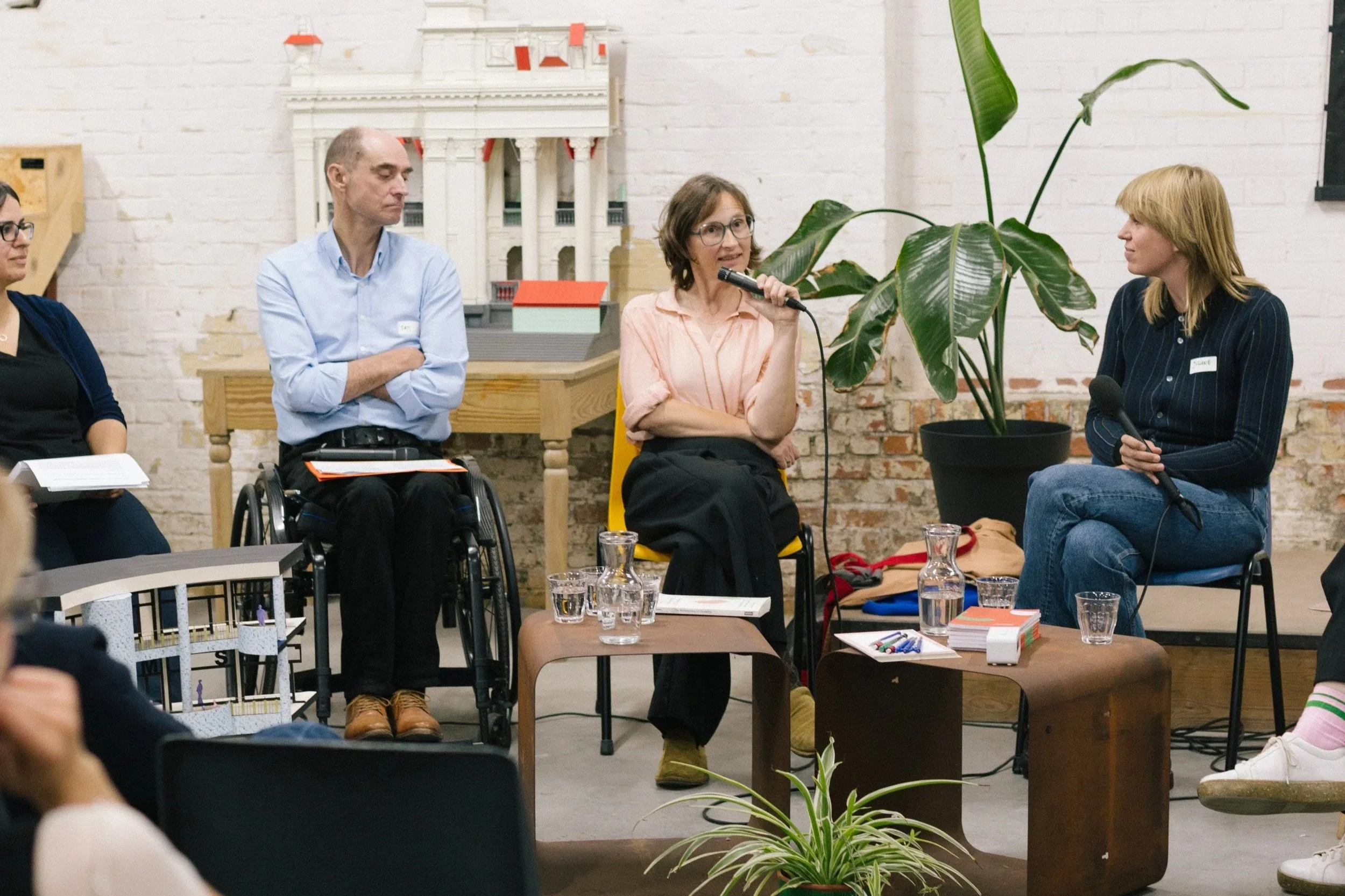
Inge Vinck has worked on many transformation projects in which she reflects on how much of a building’s originality can – and should – be preserved in the process. She is the founder of the architectural firm Architecten jan de vylder inge vinck / inge vinck jan de vylder architecten (AJDVIV / IVJDVA), and is a heritage expert in the many projects that the firm does. She explains how there are always different layers within heritage and that with each project, an architect can decide whether to add onto the layers or let go of one. Sometimes a historic site will be enriched when an element is added, but in other cases layers can be taken away, for example, to make it accessible. Sometimes, this means that a part of the history of the building should be neglected in order to make these choices. Inge is convinced that it is the way one manages these choices in a project that ultimately defines a building’s success.
Inge: “It’s about acceptance sometimes of what there is, but also acceptance of norms and starting to play with it.” Inge is able to find this playfulness in her designs by talking and listening to the people behind the building. “If you bring everyone together at the table with each of their questions, then you can solve the problem or the topic together, and then you can come to solutions that are different from what you would expect if you tackle the real norms and the real calculations.”
Inclusive design as a motor for creativity
Sam Michiels further enriches the panel. He has a PhD in Computer Science and is involved in several volunteer organizations. He chairs the Accessibility Advisory Council in the city of Leuven (leuventoegankelijk.be) and is himself a user expert who uses a wheelchair. This volunteer organization consists of 15-20 people with disabilities who advise architects on the accessibility of their design.
When Sam is questioned about whether he thinks that accessibility is focused too much on the functional aspect and we should look broader, his answer is nuanced: “Architects often find accessibility difficult and annoying due to the accessibility regulations”, he explains. “It is even in the top ten list of biggest annoyances of an architect.”
“But the hardest part of talking with an architect about accessibility is to get them into the room’, he counters. He explains how the attitude of architects completely flips when they are given an insight into the personal experiences of people with a disability. Sam: “Most often they leave the room saying: It’s the first time in my career that I get this feedback. I never knew this (…) and now I can start solving a puzzle because there's heritage value, there's budget, there's accessibility issues. And now I can work with it.”
Strictly following accessibility regulations does not automatically lead to an accessible building. Sam explains how an architectural firm pitched a design that checked all of the accessibility norms, resulting in a design filled with platform lifts and technical solutions. When the advisory board explained that these solutions would actually be experienced as slow, noisy and unreliable, the architects realized that meeting regulations alone was not enough. This feedback fundamentally shifted their understanding of accessibility.
By giving the architects space regarding legislation and norms, and insight into personal experiences, the architects were able to make completely different design solutions for accessibility. Sam: “This is the same building, the same architect. I asked them the other day: Are you still happy with the design? And they said: It's better than before.”
Inclusive design can function as a driving force that stimulates the architects’ creativity rather than hindering it. Solving problems and designing spaces that fit the needs of the specific site is, after all, at the core of the abilities of an architect.
Translating personal experiences to the working field
Architects are often not aware of the impact their design decisions have on how disabled people experience a space. That is why Negin’s research on inclusive heritage focuses on the translation of the experiences of user/experts to architects. With in situ interviews, she gained insights into how the user experts interacted with different spaces. This is then translated into a graphic report in which qualities and four categories of obstacles are described:
obstacles that are impossible to overcome
obstacles that the user expert can overcome with help
obstacles that user experts, over time, have developed their specific strategies or tactics to overcome
obstacles that user experts can overcome independently
A color is assigned to each one of the obstacles and the qualities. With photographs, quotes, and diverse graphic elements to show important details (e.g. path taken), the experiences of the user experts are mapped on the floor plans.
Negin: “In one of the first presentations that I did for the Leuven Town Hall, I was explaining the experience of Sarah of a staircase using a sequence of photos. They showed how she looks for the handrail on one side, doesn't find it, goes to the other side, tries to find it, doesn't find it, and goes back again to the first side, and how she was lost in this process. And then how she looked at us in despair, really stopping. That really had a big impact on the architect. He mentioned it again multiple times after that, saying that he wasn't aware how a simple handrail could have such a big impact on the experience of a space.”
More awareness about the impact design has on simple day-to-day experiences of people with a disability is what helps architects create better solutions.
Sam finds that the earlier the advisory board is part of the process, the more flexible the architects are to his feedback. Moreover, the advisory board helps architects navigate the wide and often conflicting needs across different disabilities. With its 15-20 members drawing on their own lived experience, the board eases some of the pressure. As Sam notes: “What if something works for a wheelchair user but is detrimental to someone who is blind? How do you make that decision as an architect? If you have 15 people around the table with all kinds of disabilities and they help you choose a good middle ground, it will help architects make the best decisions.”
Designing for diversity is inherent to design
This way of combining individual needs and coming up with a creative middle ground that works for everyone seems to come back to the core of architecture, and is broader than designing only for accessibility. In design in general, it is important for architects to not lose sight of this enormous diversity of the people they are designing for and to look at each project with an open perspective to the users. However, designing for accessibility requires this – due to the physical barriers – in a very practical and pragmatic way and can therefore be an incentive in learning to come back to this core of architecture.
Inge Vinck is always seeking to achieve this kind of design within her architectural firm, in which the diverse needs of the users of the building are central to the design. She illustrates this with her design for the psychiatric center Caritas. Within this renovation project, her team focuses on the cultural and historical heritage that the 19th century school building brings, in context of the situation of its future inhabitants. The living conditions of the psychiatric clients require an attentive approach to the heritage, and her architectural firm manages to find the fine line that shows respect to both the users and the built heritage.
Affordances in accessible architecture
Negin’s research explores the connection between people and the spaces they inhabit. She uses the concept of affordances which refers to the possibilities for action provided by the environment to its users.
The research specifically focuses on the definition of affordances by Rietveld and Kiverstein, two Dutch philosophers. They refine affordances as relations between aspects of a sociomaterial environment and abilities available in a form of life. Their definition makes it possible to consider not only the physical and observable parts of the built environment, but also the diversity of the abilities of those interacting with it and the context. This means that the background of the user, the heritage and cultural context all play a role in defining the interaction between the user and the building. Negin explains this with an example of windows in the Leuven Town Hall. The window functions as a source of wayfinding for the visually impaired user expert while accommodating lip-reading for the hard of hearing user expert. For the user expert with autism, the window provides an anchor point for wayfinding. Negin: “And when the architects are facing diverse needs, that's when the creative solution comes forward, that they have to figure out: how can we address this for the different affordances that are needed for these diverse user experts?”
Juliane adds: “Affordances offer a new category for how to reflect on architecture. I think that's interesting because often I feel like one is lacking a word for exactly what you describe.”
Group discussion
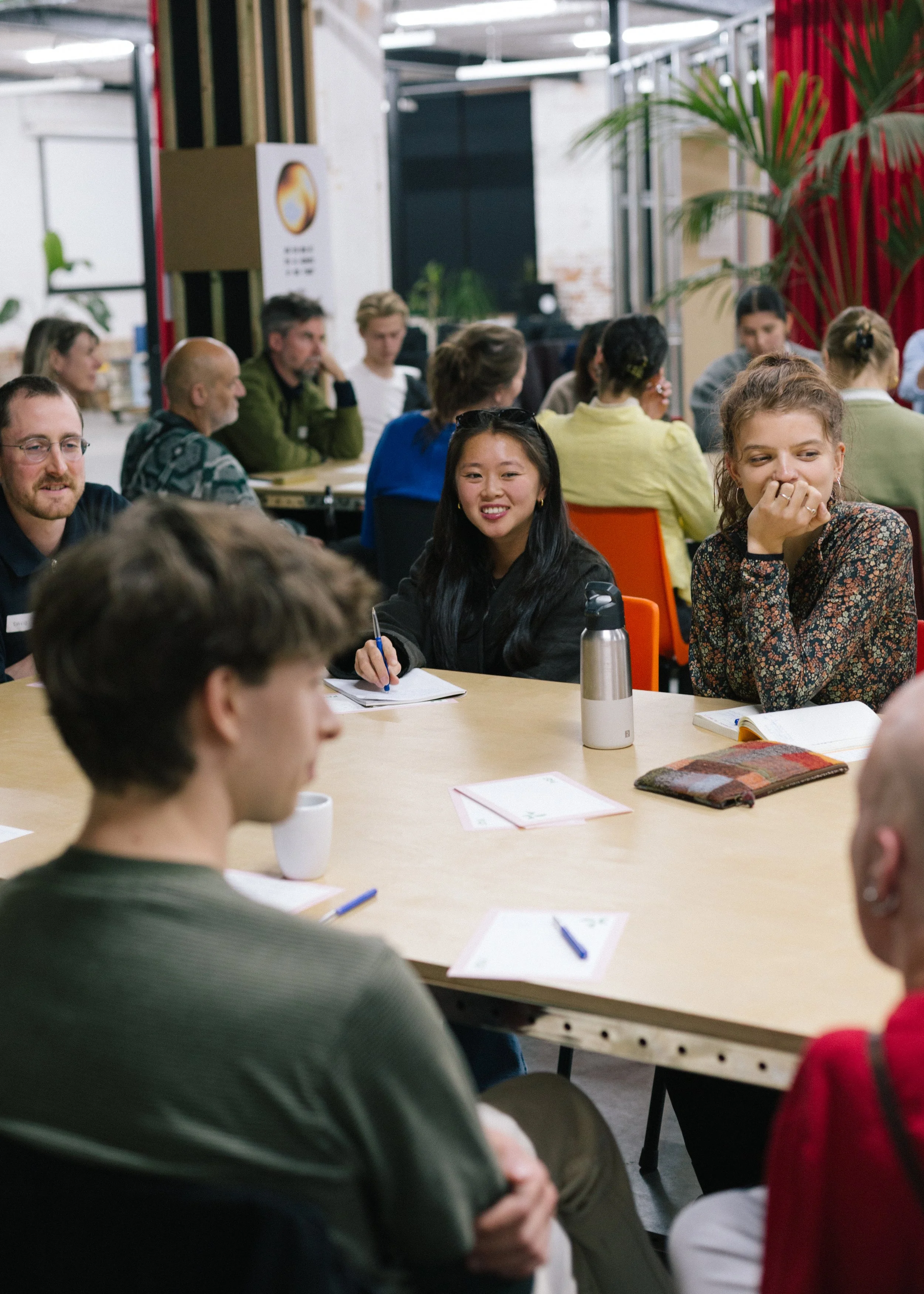
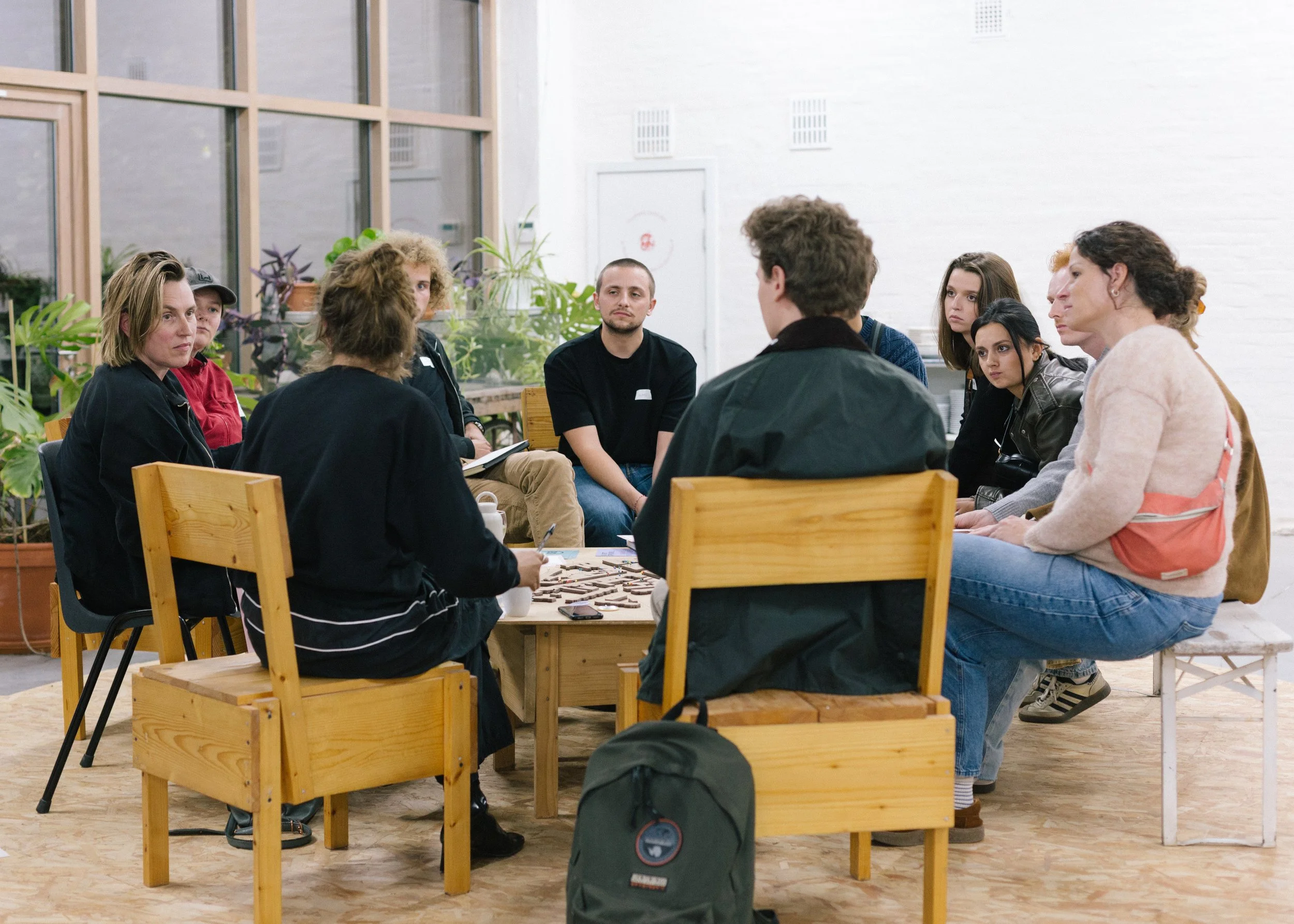
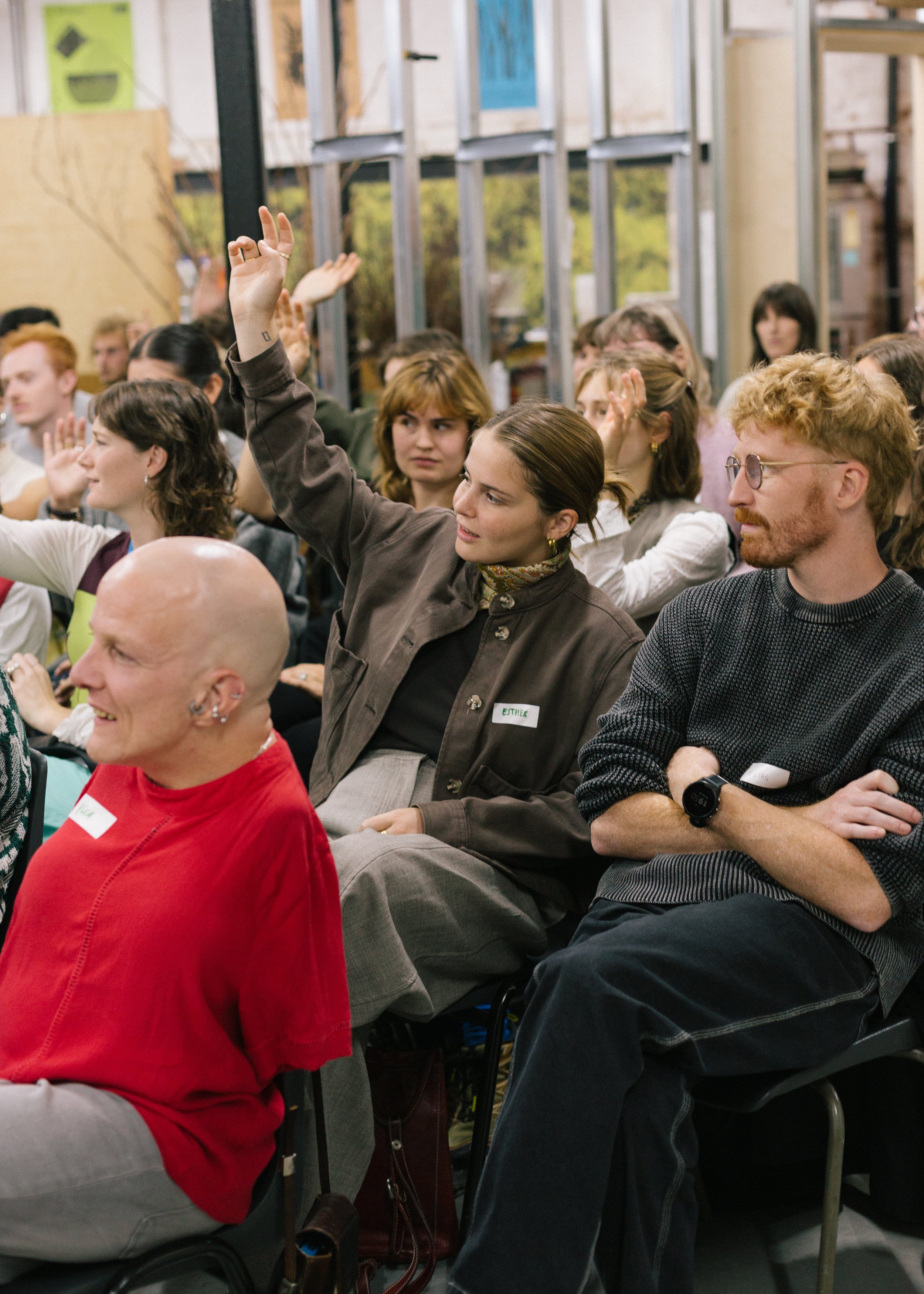
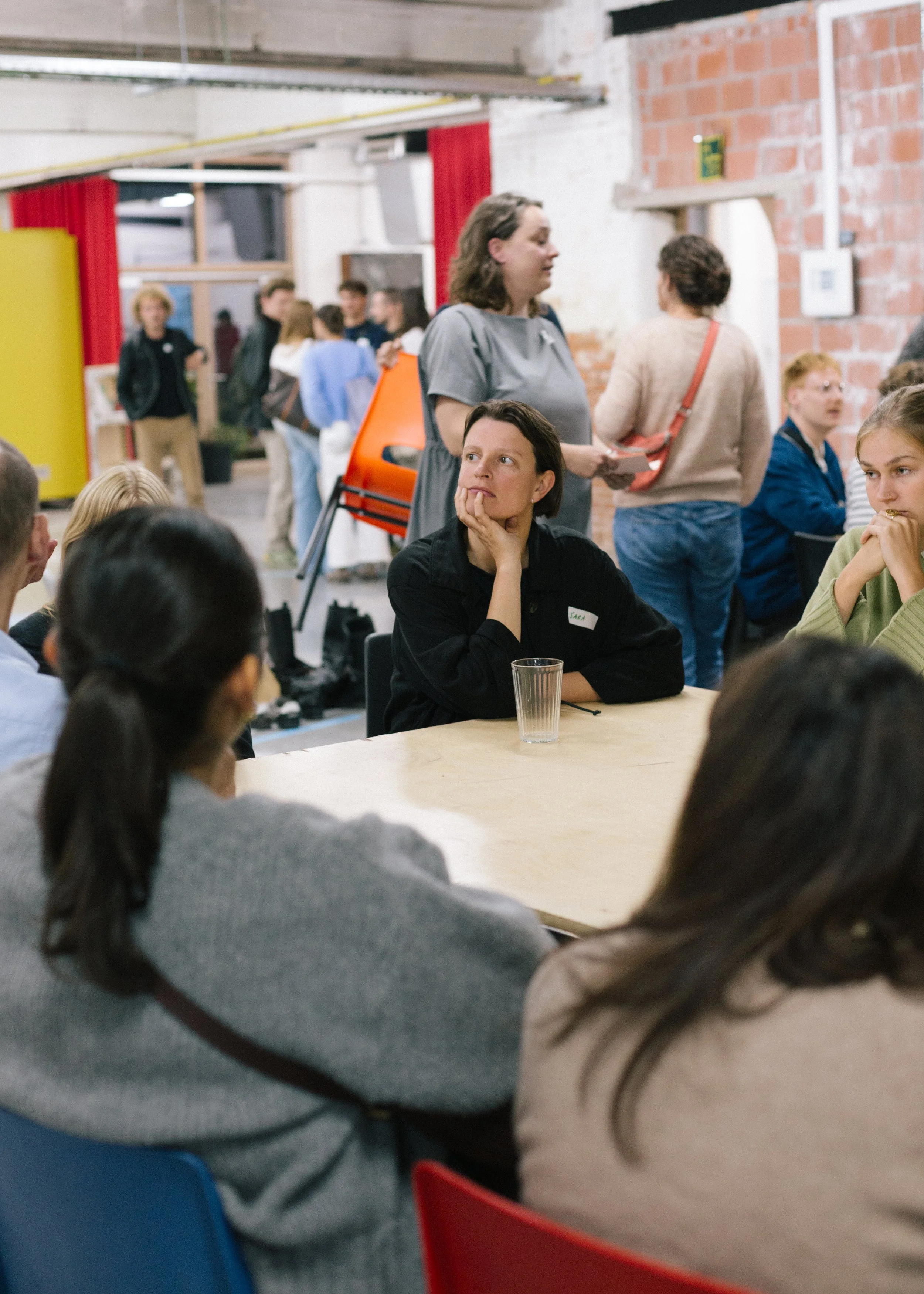
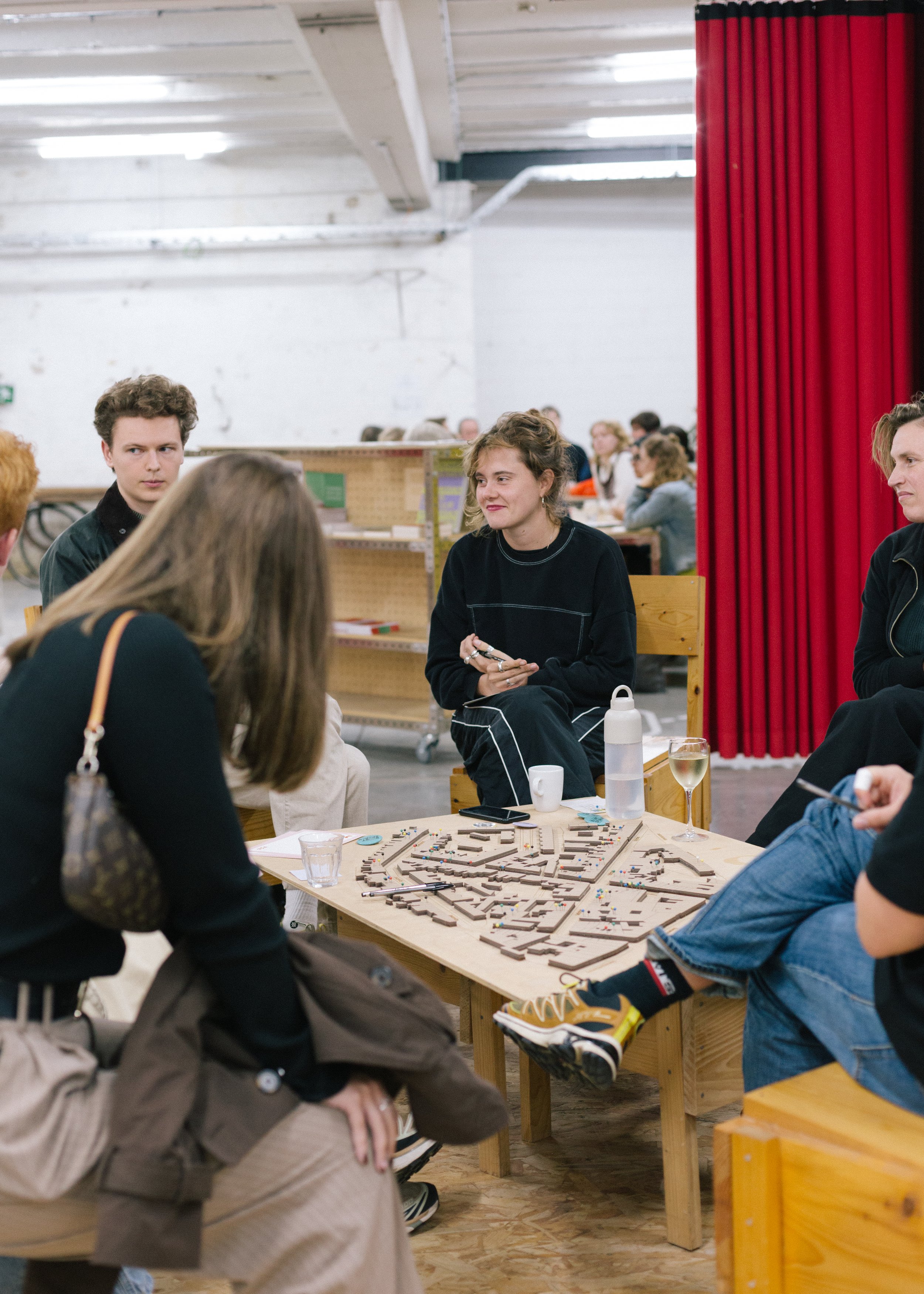
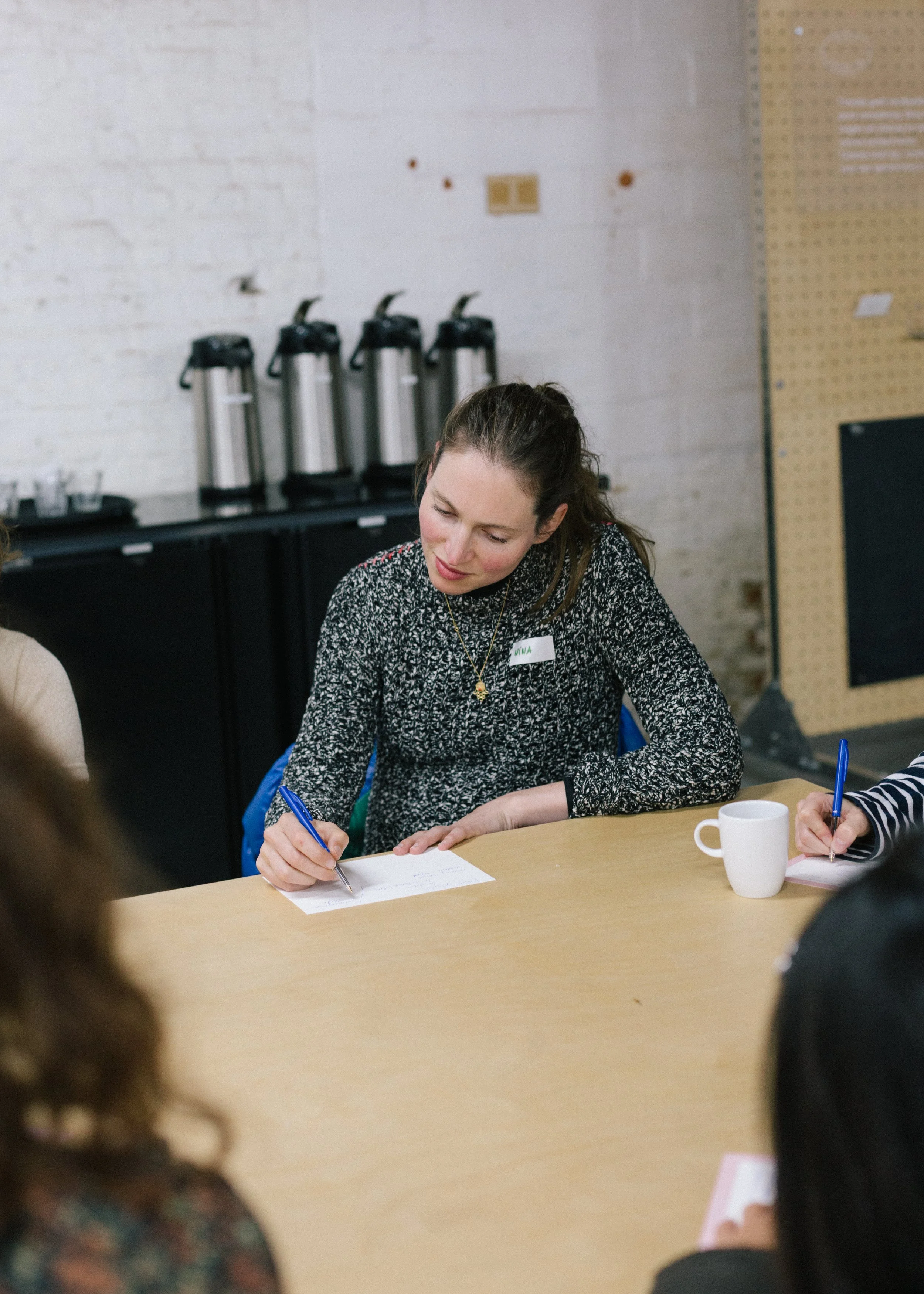
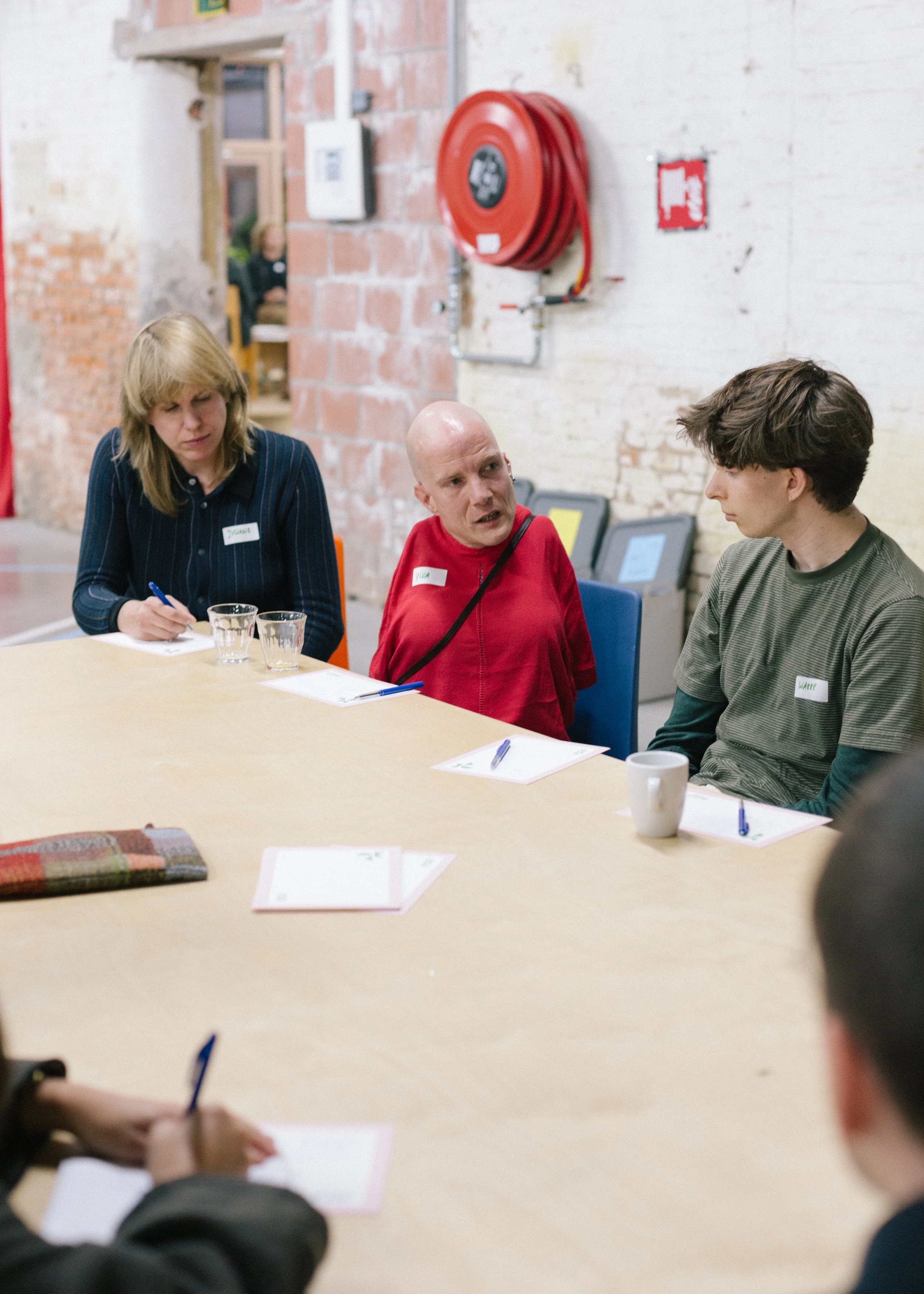
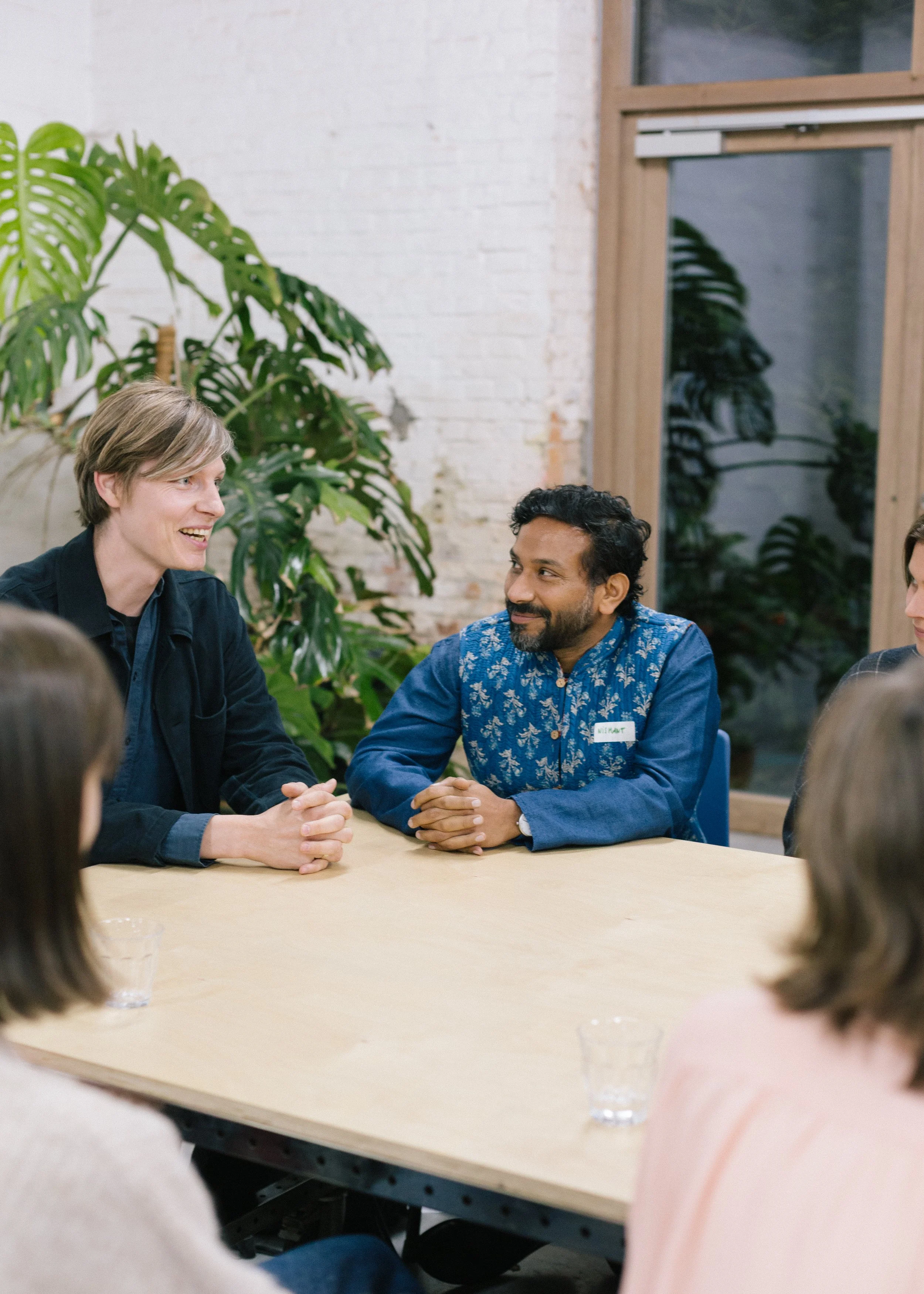
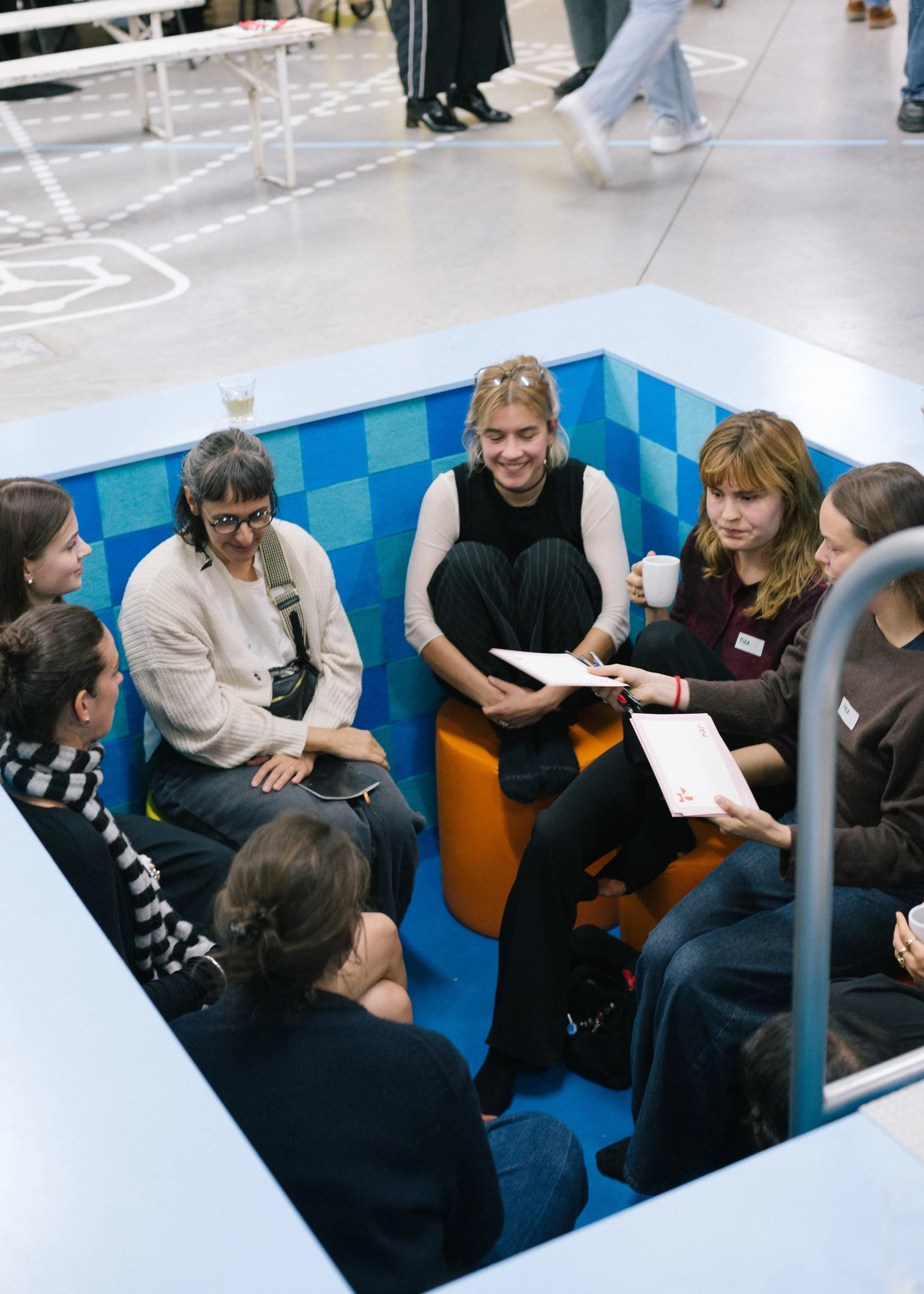
This feeling of having found a new way of looking at architecture lingered in the air as the audience divided into groups to discuss the evening’s themes. It felt as if, just as Negin’s graphic report had been able to awaken architects, the evening’s discussion had awakened the audience on the impact of inclusive design. People with all kinds of backgrounds had joined the evening: architects, students, and employees from organizations and municipalities working on accessibility. But as the groups formed, a unity was found in sharing ideas on accessibility.
Everybody seemed to agree that a big mental change about accessibility and the built environment was needed, and on the importance of education as well as having open discussions with disabled people, in facilitating this shift. An audience member remarked that they were taught to be afraid of accessibility in architecture education, and the importance of students having positive experiences with inclusive design in the master studio of Juliane Greb. This way, they will be aware of their impact on the everyday lives of many people and find an intrinsic motivation to make buildings that are suitable for all users.