Report: Bodies That Don’t Fit: Architecture’s Missing Perspectives - KU Leuven x PAF
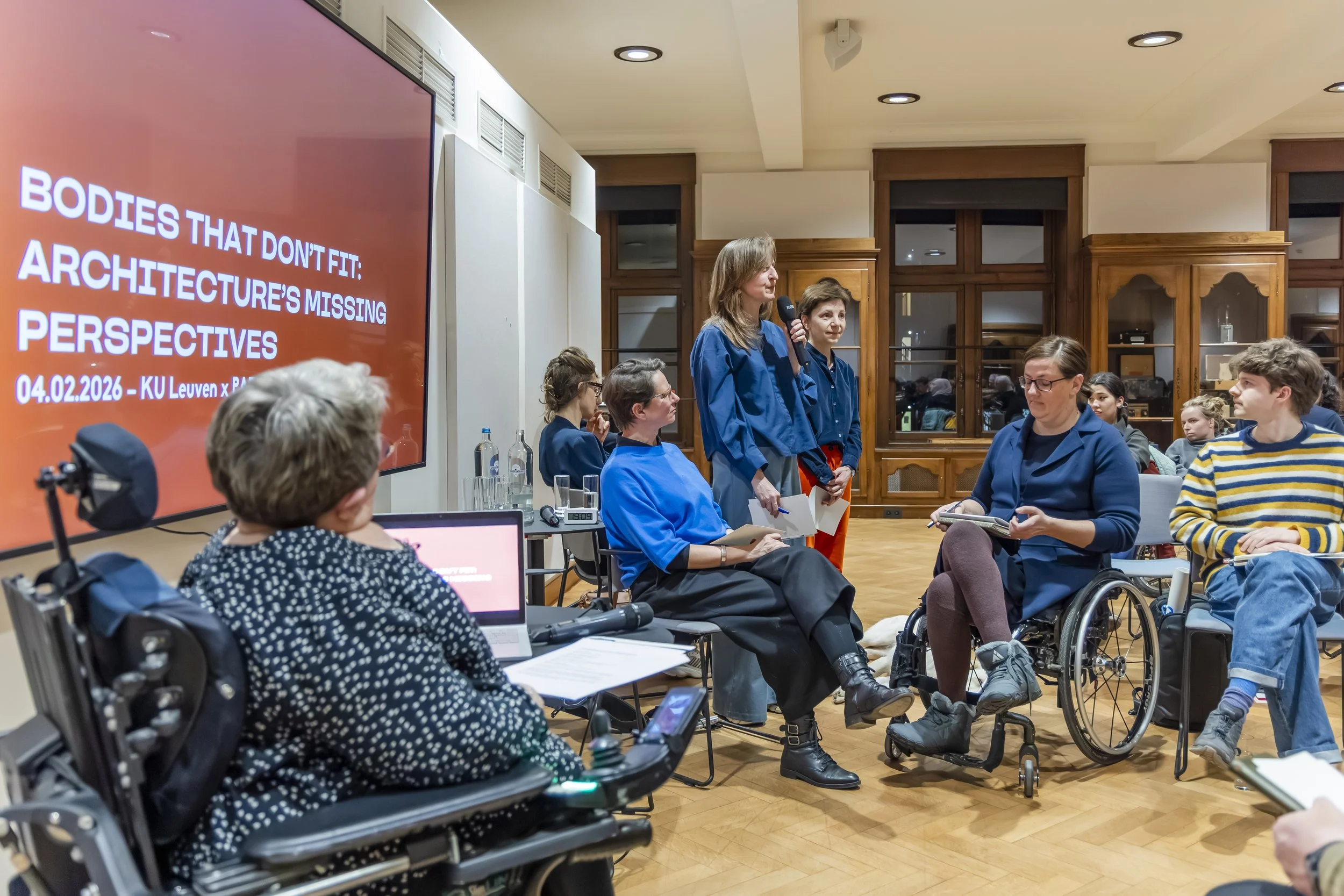
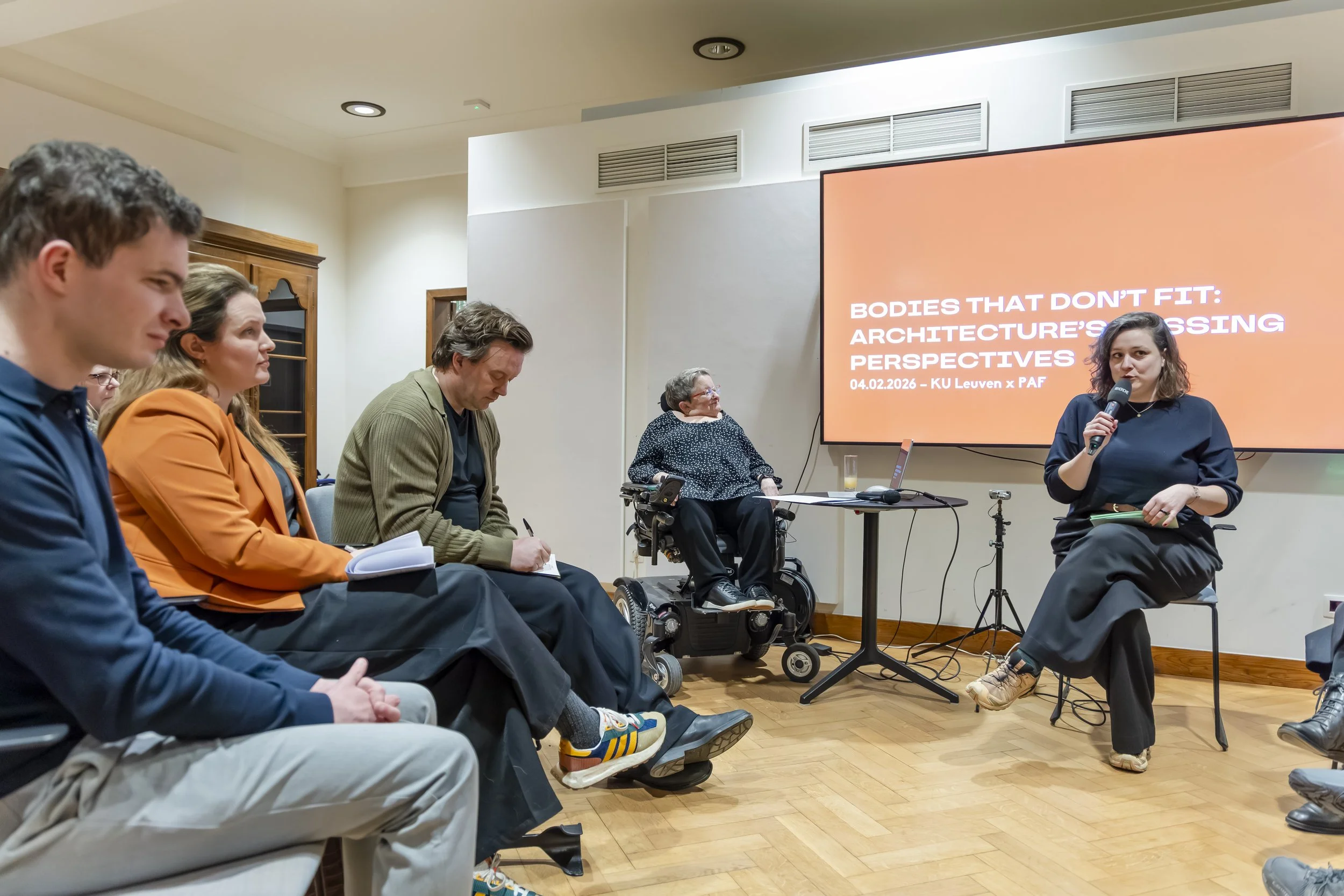
When it comes to architecture and design, inclusivity is most often framed in terms of whether the output of the design process, the built environment, is accessible to people with different bodies. For those acquainted with the subject, many academic and professional conversations tend to focus on regulations or wheelchair accessibility when it comes to inclusivity. Yet, what remains largely in the shadows is the question of inclusivity within the profession itself, long before the first sketch of the building emerges. Who gets to shape the discourse of architecture? Who is invited to the table, and who is left out? How is design taught, and who has access to design education? What invisible barriers, professional or educational, still stand in the way? And what untapped richness, creativity, and perspective does the field lose when its doors remain closed to many? Even for experienced advocates of inclusive design, these questions can shed new light on old assumptions. On February 4, KU Leuven and PAF hosted an evening that challenged assumptions and spotlighted the missing perspectives in architecture and design, specifically, the underrepresentation of people whose bodies and minds diverge from the assumed norm.
Listen to the audio recording of the group conversation.
Text: Hatice Tuğba Karayama in collaboration with Fredie Floré and Ann Heylighen
Photos: Geert Vanden Wijngaert
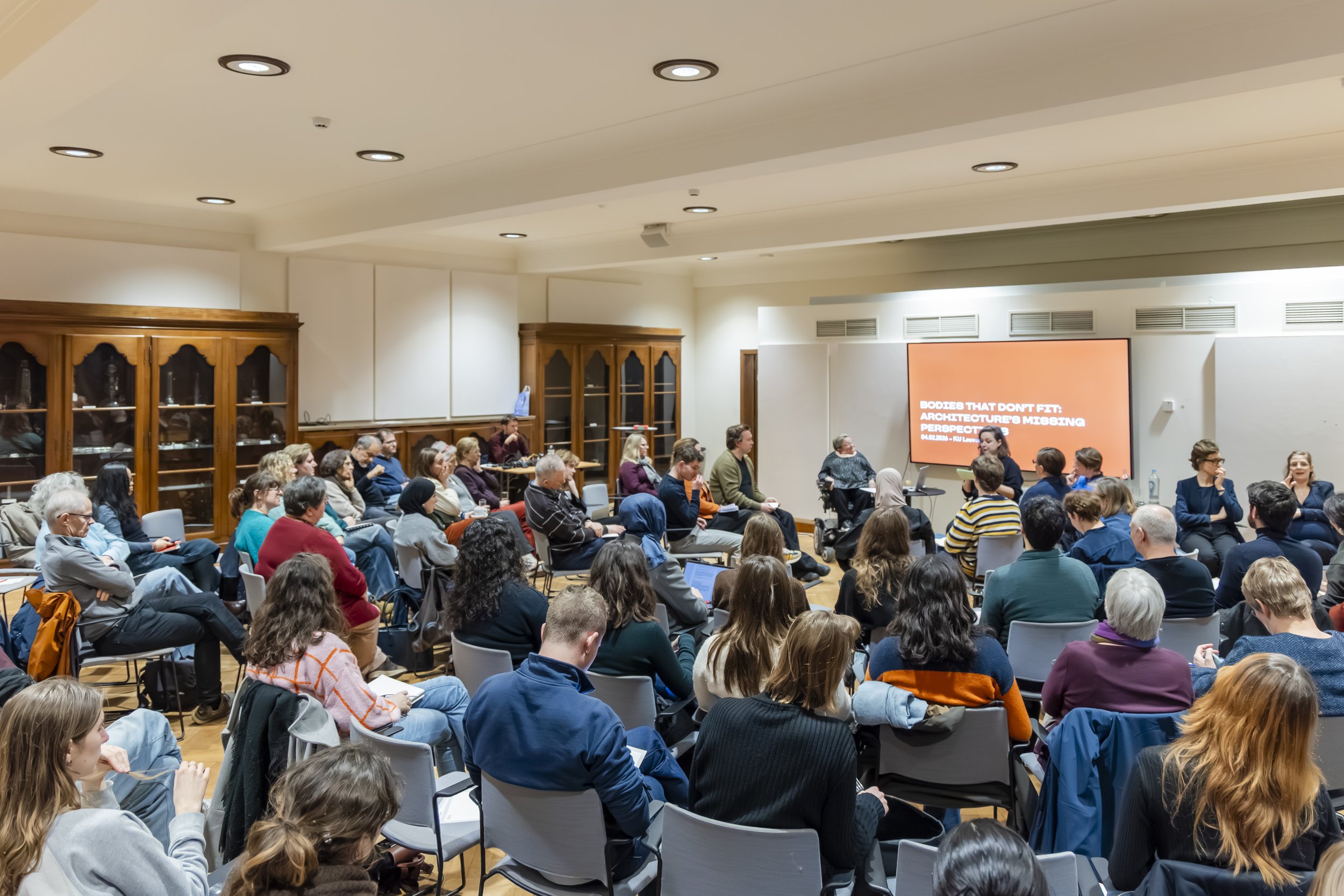
With this event, practices of exclusion were explored in direct dialogue with those who have faced barriers to participation in the profession, ensuring that lived experience remained at the heart of the evening’s reflections. Moreover, the occasion marked a rare honor: the awarding of an honorary doctorate to architect Karen Braitmayer by KU Leuven. As Braitmayer herself remarked, such recognition is uncommon in the field, but the vision, integrity, and influence she brings to the field distinguish her as an architect of rare caliber. Her promoters, Professor Floré and Professor Heylighen, highlighted four compelling reasons for her nomination: serving as inspiring role model to young people who consider a career in architecture, showing how being different can be a powerful strength in architecture, celebrating diversity and fostering a new culture through her leadership at Studio Pacifica, and paving the way for a more inclusive world by guiding, mentoring and encouraging others. In essence, for being a splendid example of “mobilizing one’s identity” to build expertise and to challenge the profession.
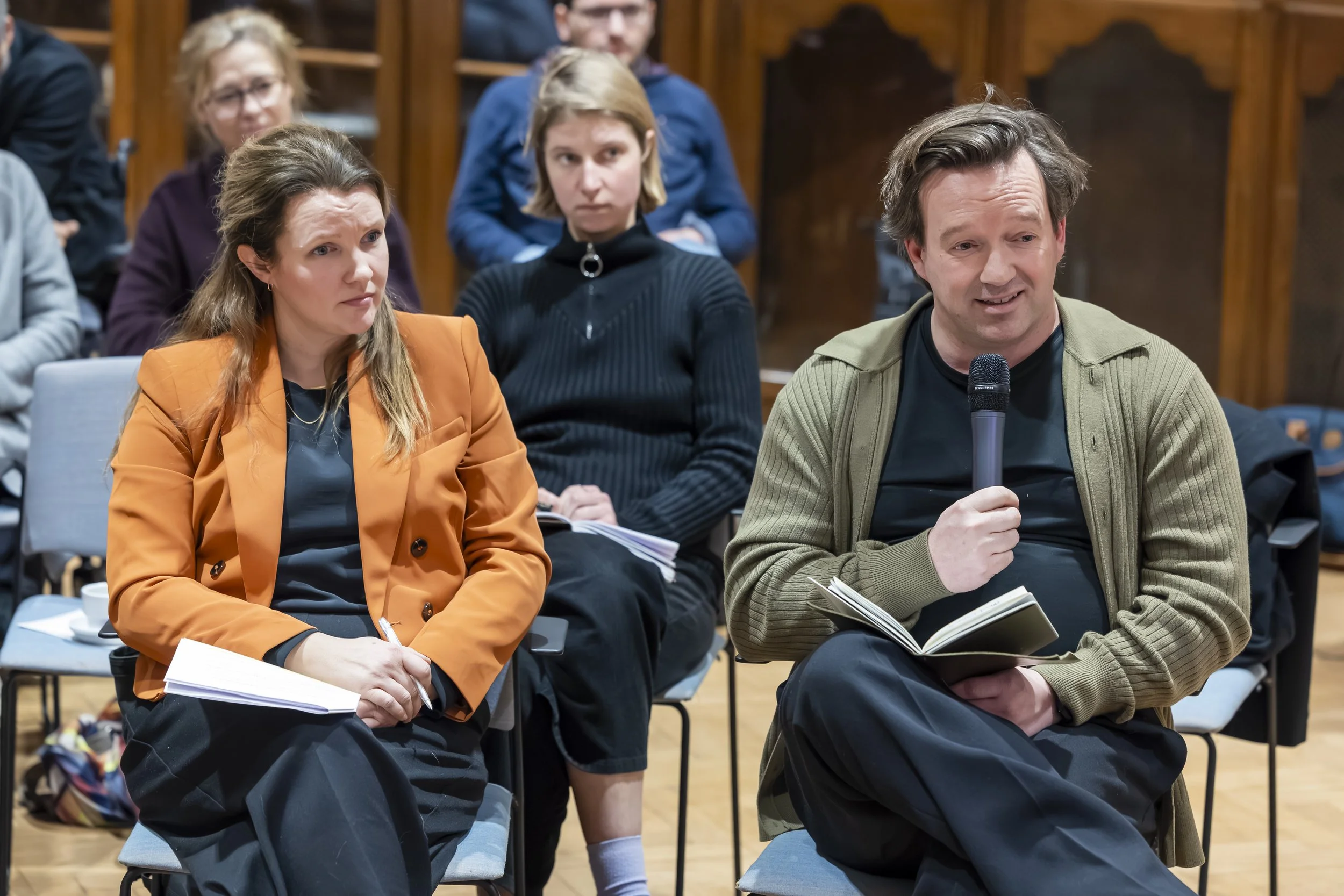
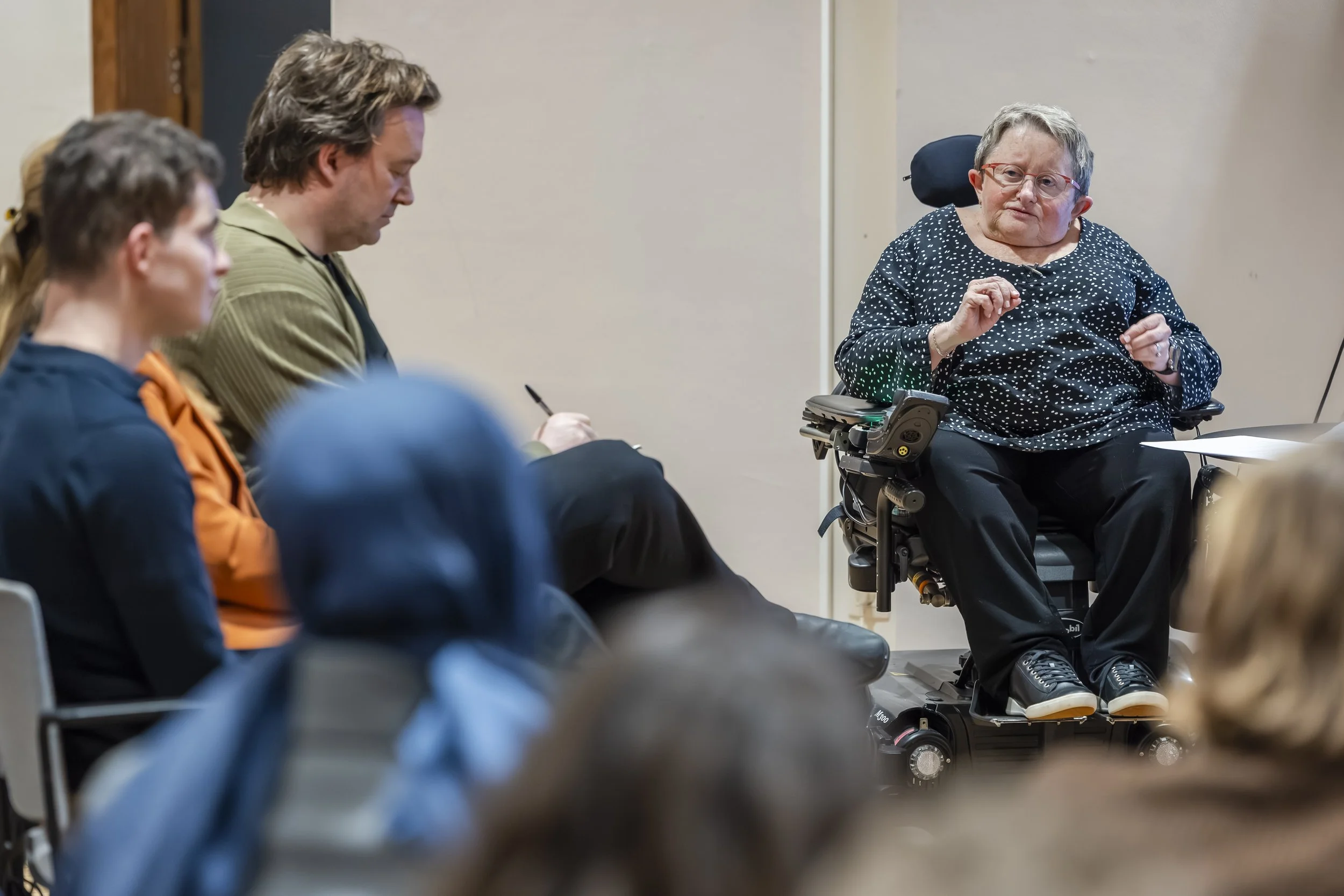
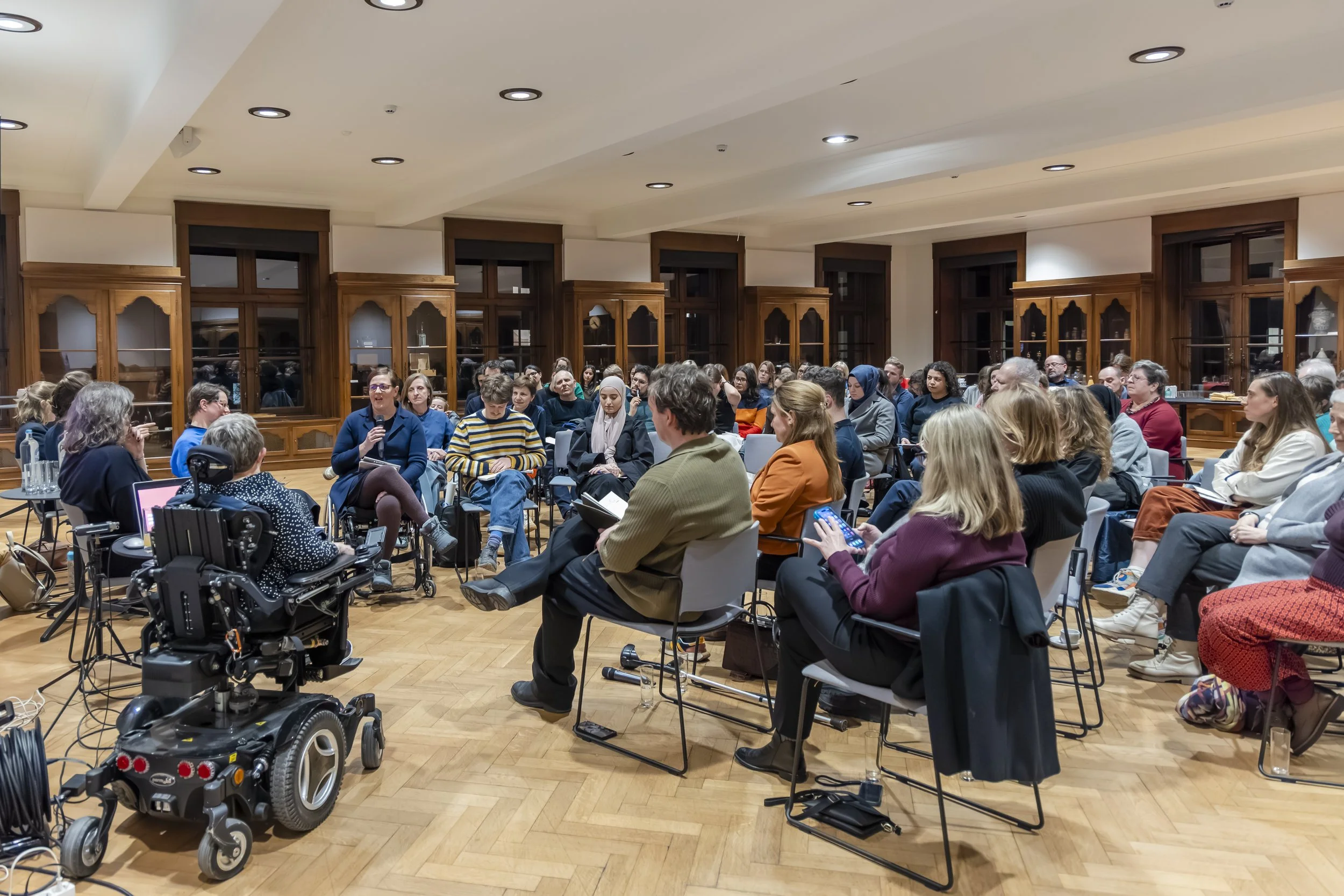
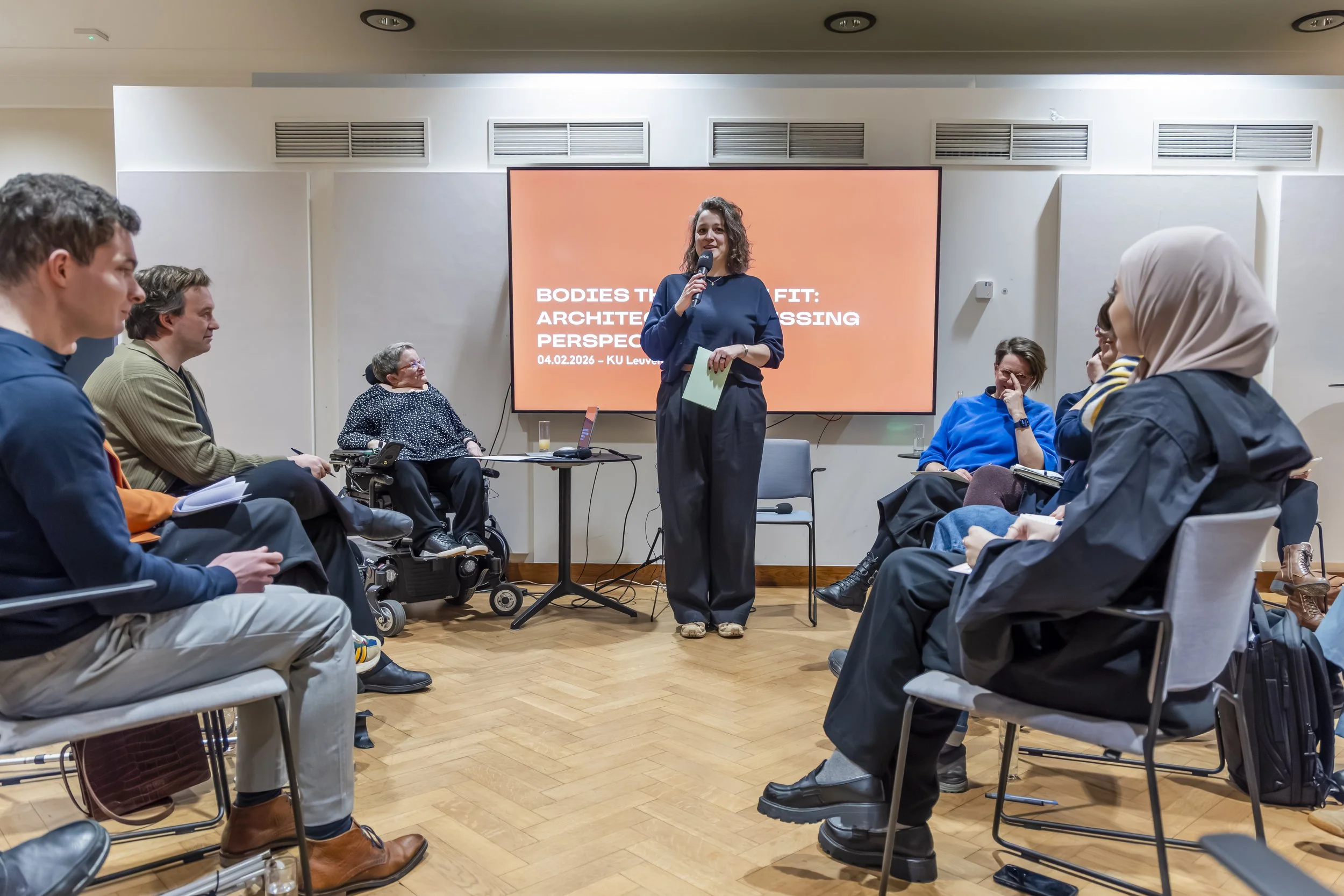
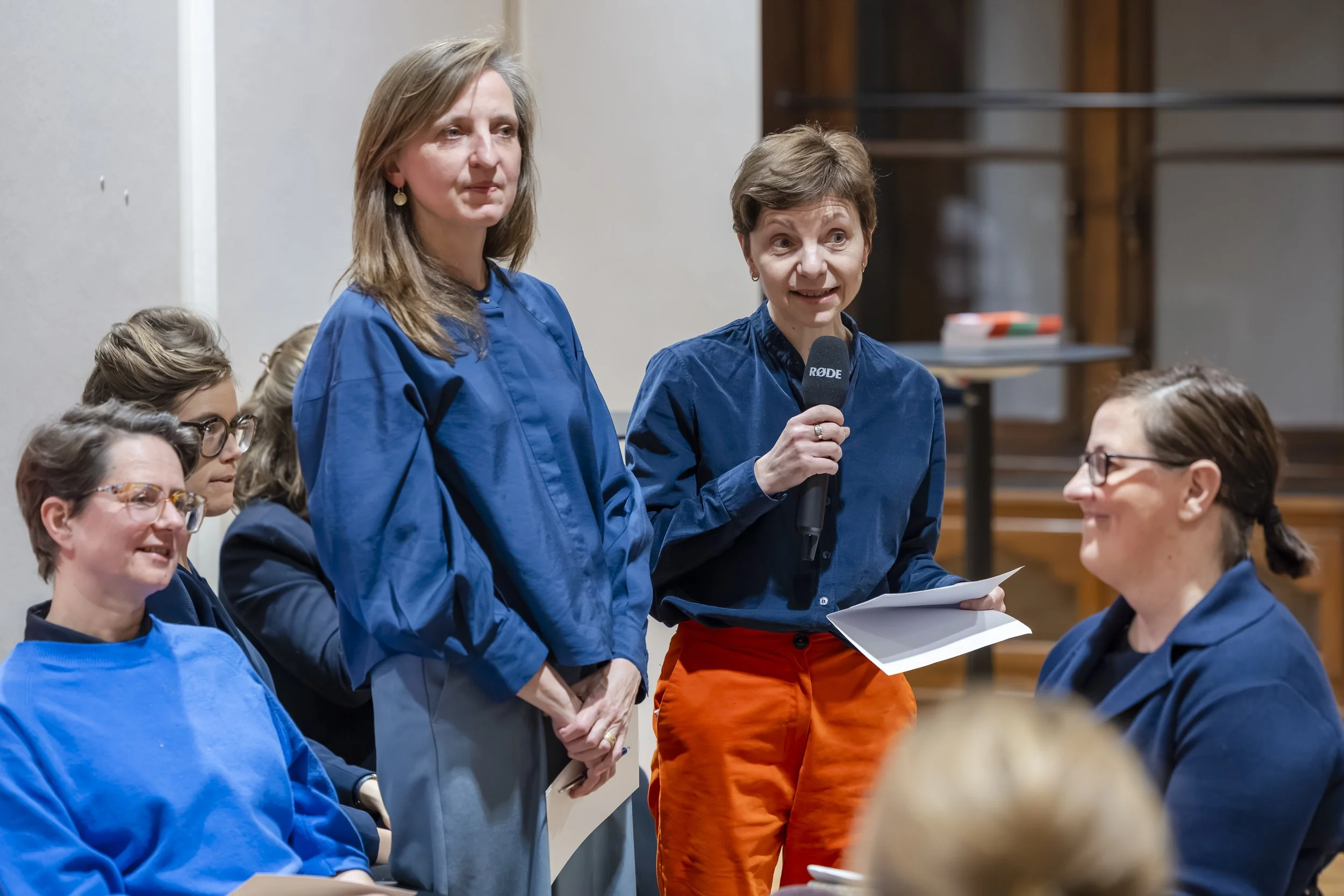
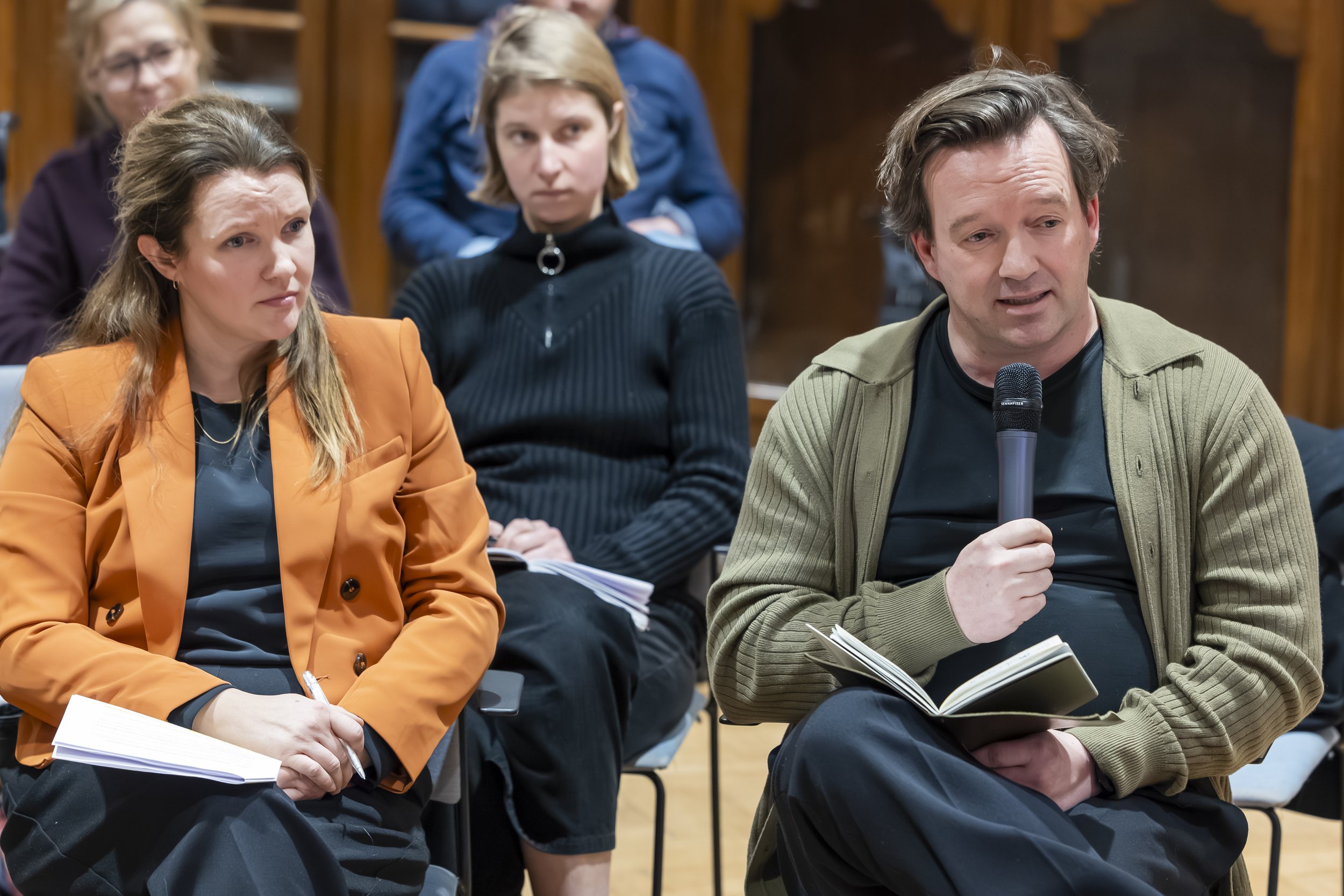
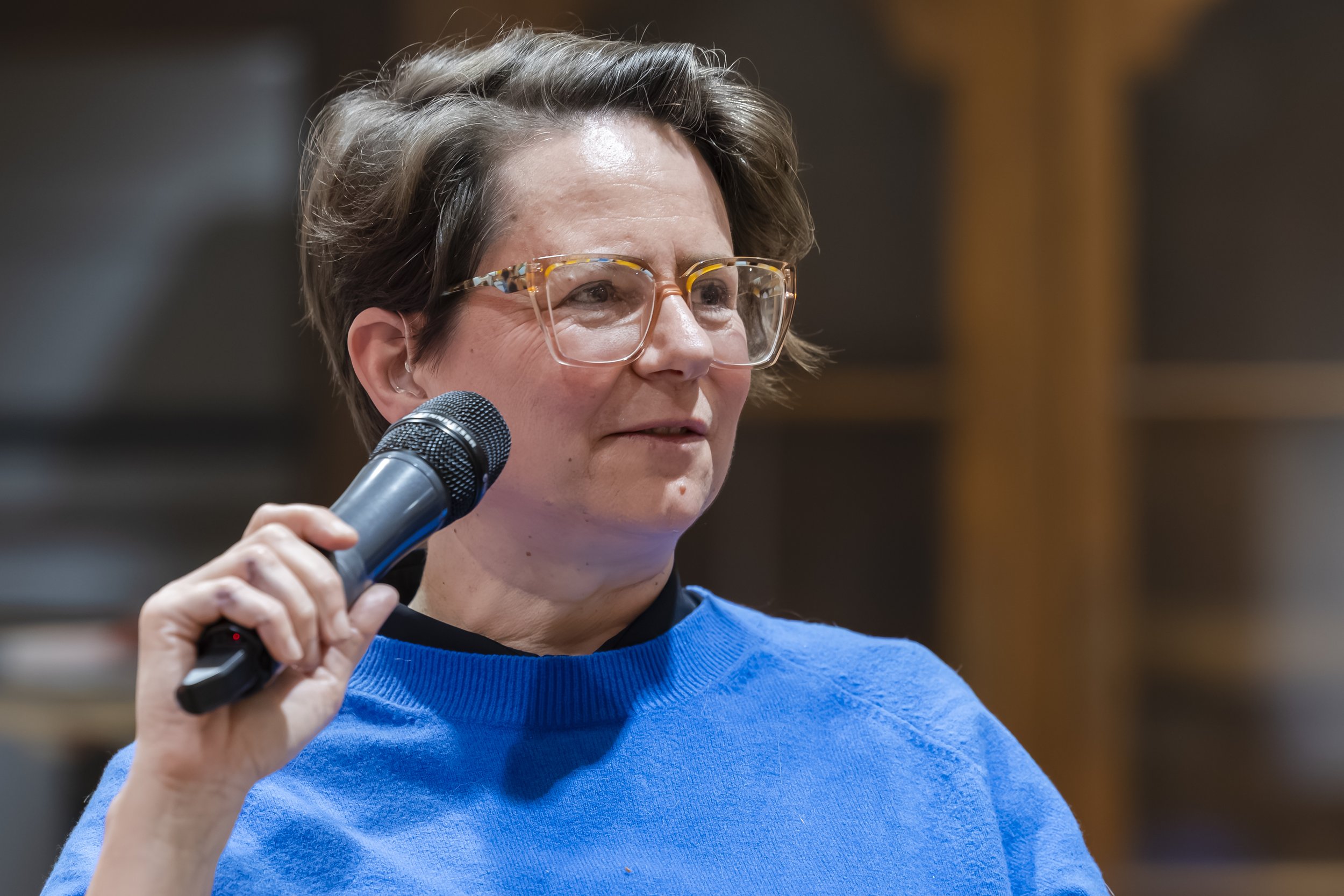
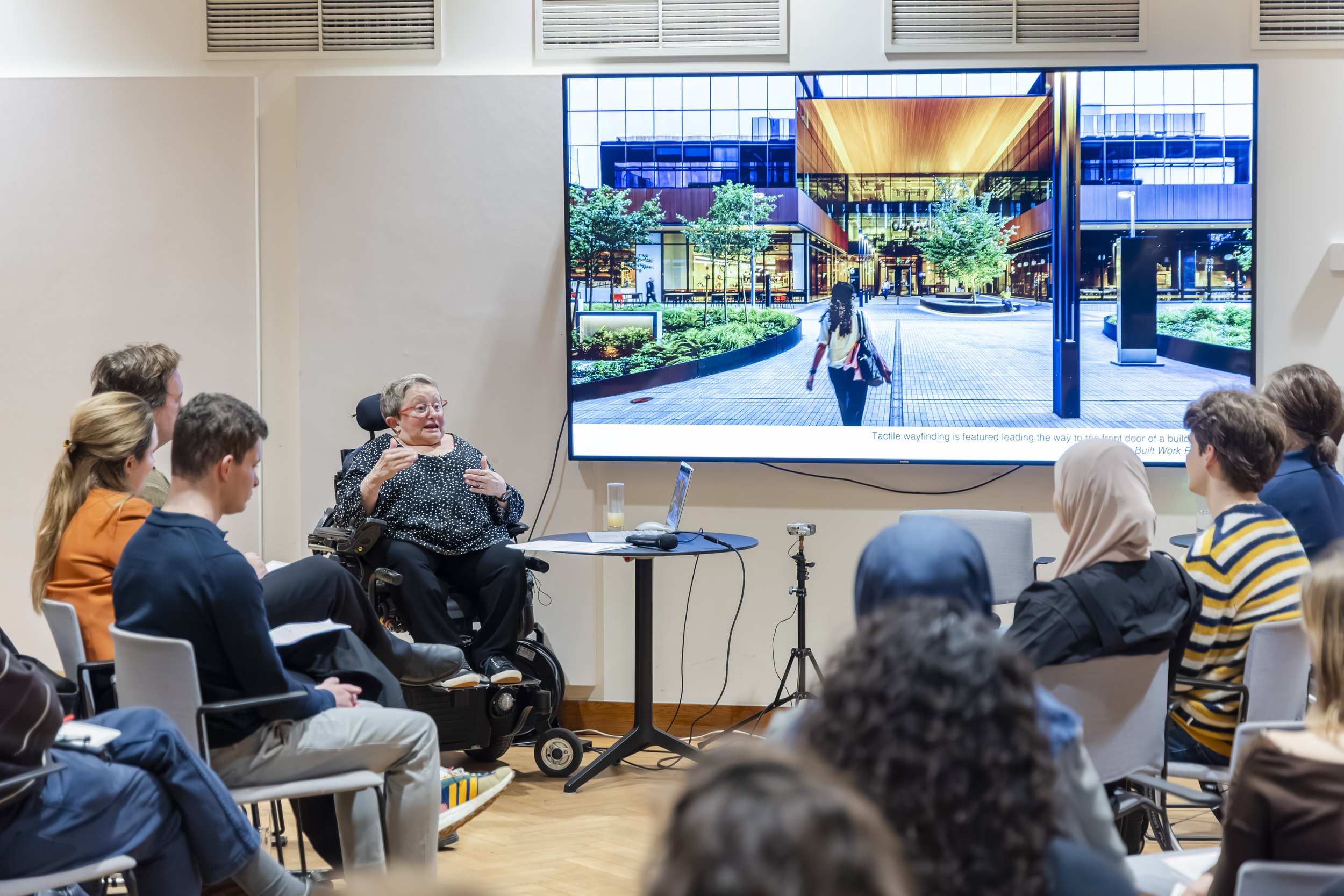
The evening began with a powerful keynote speech by Braitmayer, whose insights served as the foundation for the night. Her keynote was followed by a dynamic group discussion, featuring Séverine Kas, Natalia Pérez Liebergesell, Victor Lindemeier, Wendy Hoeven, Julien Benaouda, Stijn Cools, and Maïssam El Amarti, who brought their own lived experiences and diverse perspectives to the table. This collaborative format ensured that the conversation remained multi-dimensional, moving from individual journeys to broader, systemic reflections on the profession.
Accessibility as an Act of Empowerment: Lessons from Karen Braitmayer
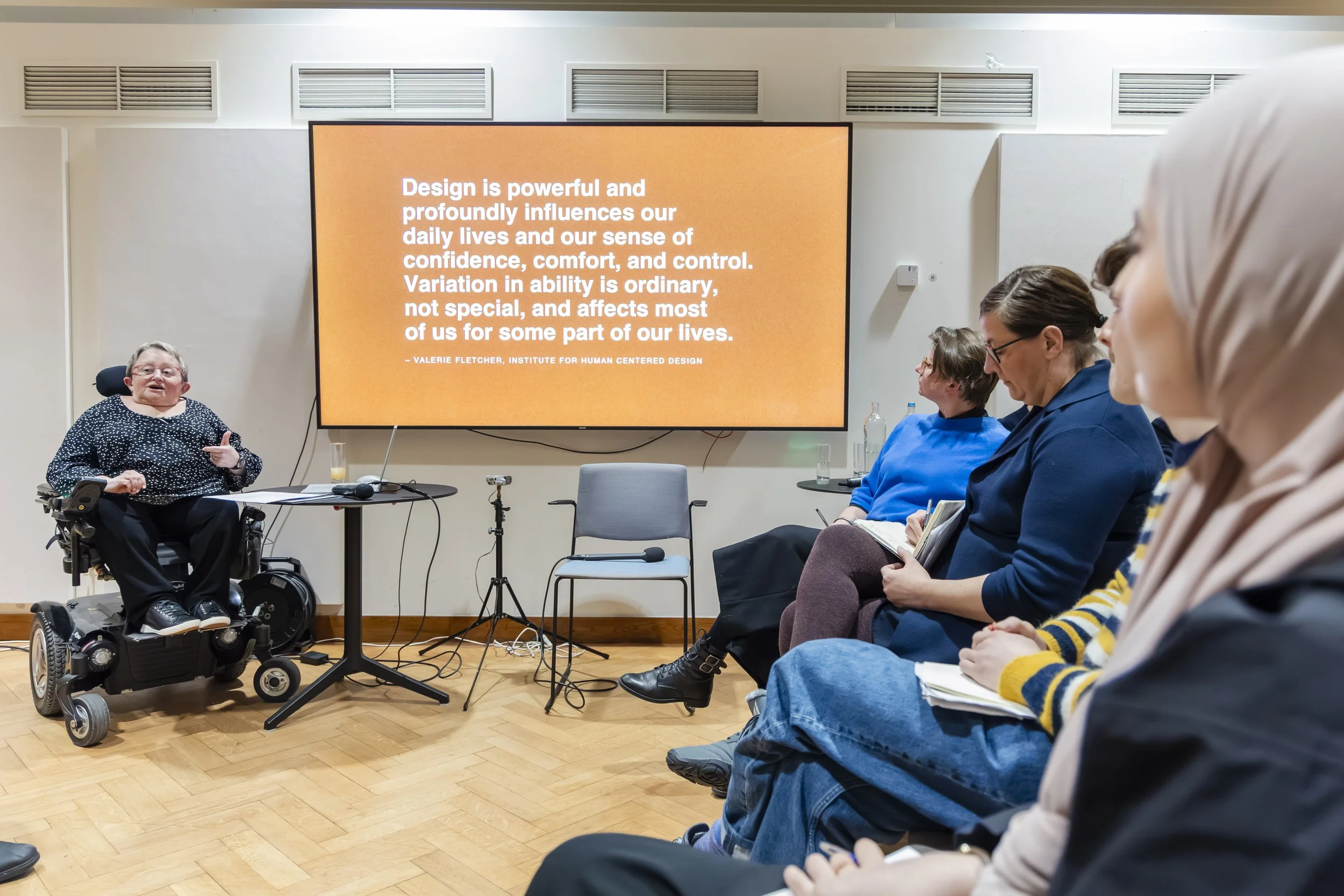
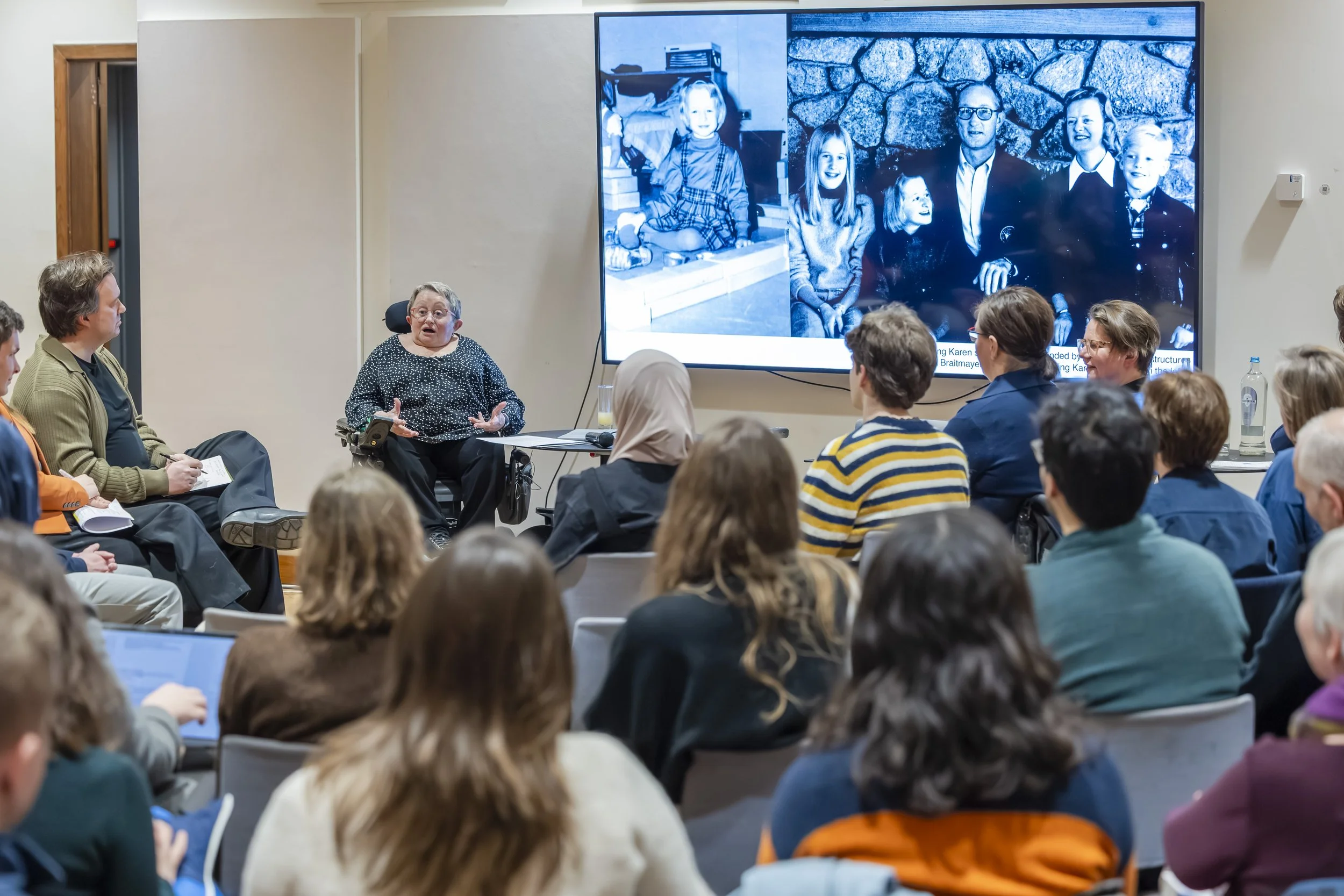
In her keynote, Karen Braitmayer reframed accessibility as more than a technical requirement; at its core, it is an act of empowerment. As she began to introduce herself, while she shared childhood memories, it became easier to understand how she empowered and mobilized her identity, and how this has shaped both her identity and work. From an early age, Karen was marked by a quiet but persistent determination: she simply refused to accept “no” as an answer.
Throughout her journey, she faced obstacles that might have discouraged anyone: the doctor who doubted her future, college administrators who offered only a single, isolated dorm room, and employers who refused to hire her because of stairs in the office. Yet each time, Karen found creative ways to break through barriers, transforming every “no” into a catalyst for change. In doing so, her insistence on accessibility became an act of resistance.This character of resilience seems to be at the heart of what drew her to architecture. After all, isn’t the act of designing itself a form of creative resistance and reimagining what is possible? Undeterred by others’ doubts, she turned skepticism into determination, carving out her own distinct path in architecture.
Over time, she discovered that empowerment is not a solo pursuit. In her lecture, she described how accepting offers of help, like friends adjusting drafting tables so she could work, was equally important. Accessibility, she emphasized, is also an act of community. By forming connections and sharing efforts, resistance becomes collective, and new possibilities emerge for everyone.
Karen’s early experiences reveal that accessibility is fundamentally about justice, equality, and solidarity, not just design codes. These values guided her as she entered the profession at a time when both people with disabilities and their needs were largely invisible in architecture. Confronting this isolation, Karen realized that her perspective as an architect could enrich the field. As she expressed, “people like me give other architects a chance to see the world from our perspective, just as we see the world through the lens of people without disabilities every day.” With this awareness, she developed the mission of Studio Pacifica, a firm dedicated to ensuring every project would be accessible by her, her loved ones, and all members of the community.
Studio Pacifica grew into a hub for collective resistance to ableism in architecture with consultants and architects with diverse bodies. As Karen stated, talented architects who, despite their skills and expertise, had internalized the message that architecture was not meant for them. Within Studio Pacifica, these voices found validation, collaboration, and a sense of belonging that had long been denied by the profession’s conventional boundaries. This spirit of inclusion, summed up by the principle of “wasting no human capital” (as Chris Downey, quoted by Braitmayer, puts it), fueled the firm’s success and modeled how accessibility is, ultimately, an act of dialogue.
As Karen emphasized, the design profession wields significant power to shape people’s everyday experiences, their confidence, comfort, and sense of belonging. Achieving genuine inclusion and equal opportunities for everyone, both within the profession and in its outcomes, is not plainly important but essential. While some may view this ambition as too idealistic or even utopian, especially given the ongoing marginalization in the field, Karen’s message is clear: this vision is achievable. Real progress begins when we collectively resist exclusion, foster open dialogue, and commit to designing with – not merely for – one another.
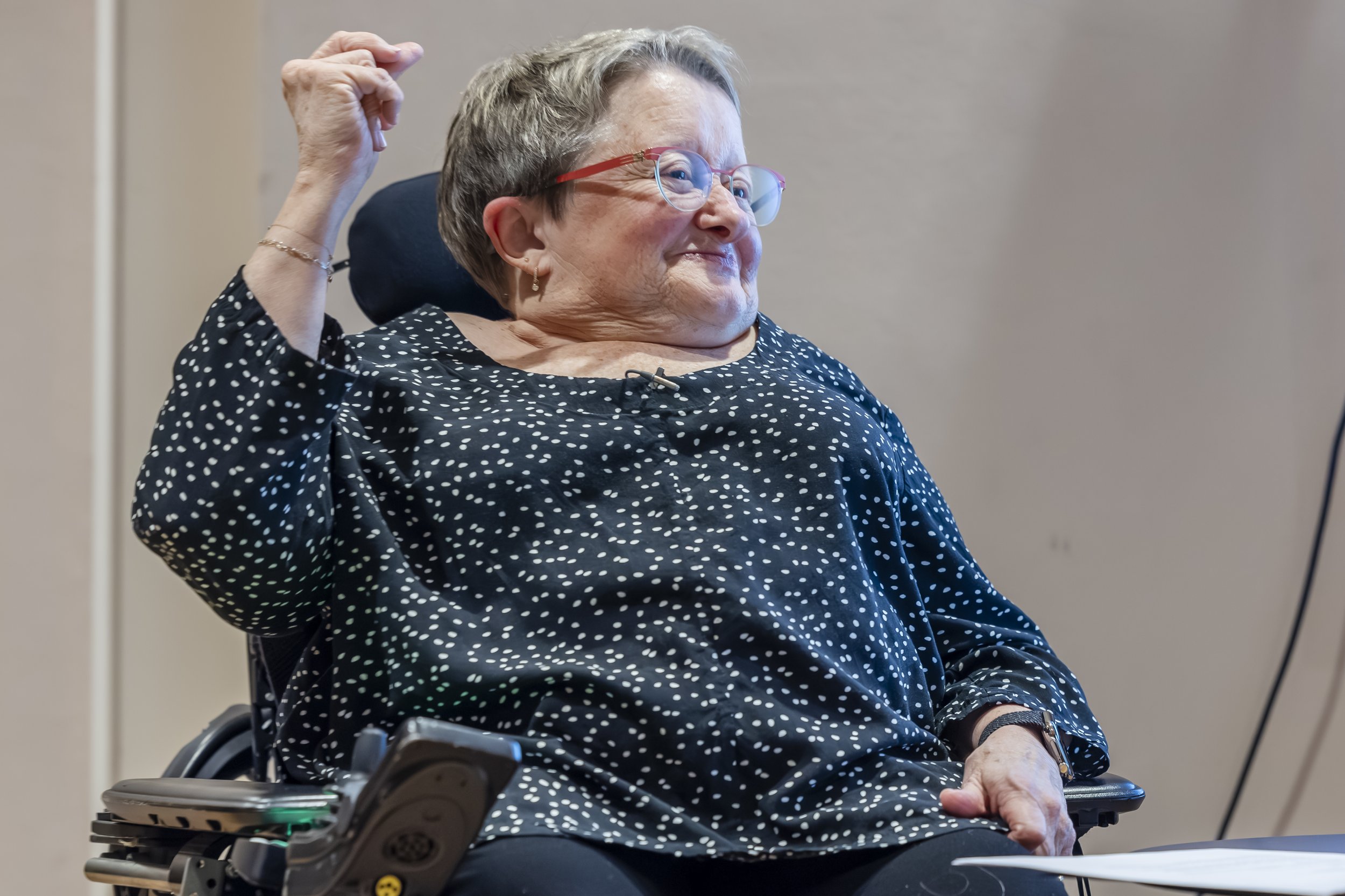
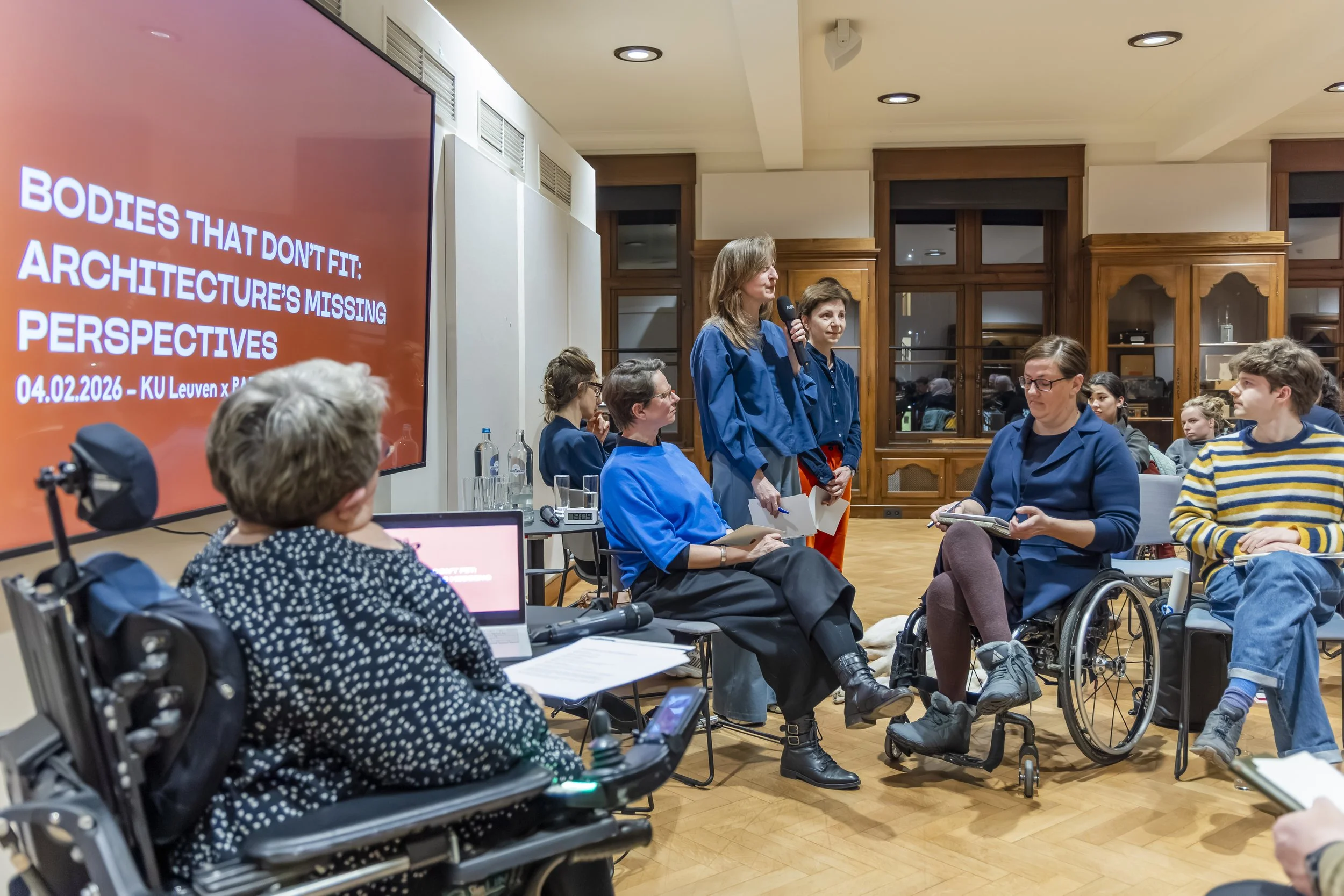
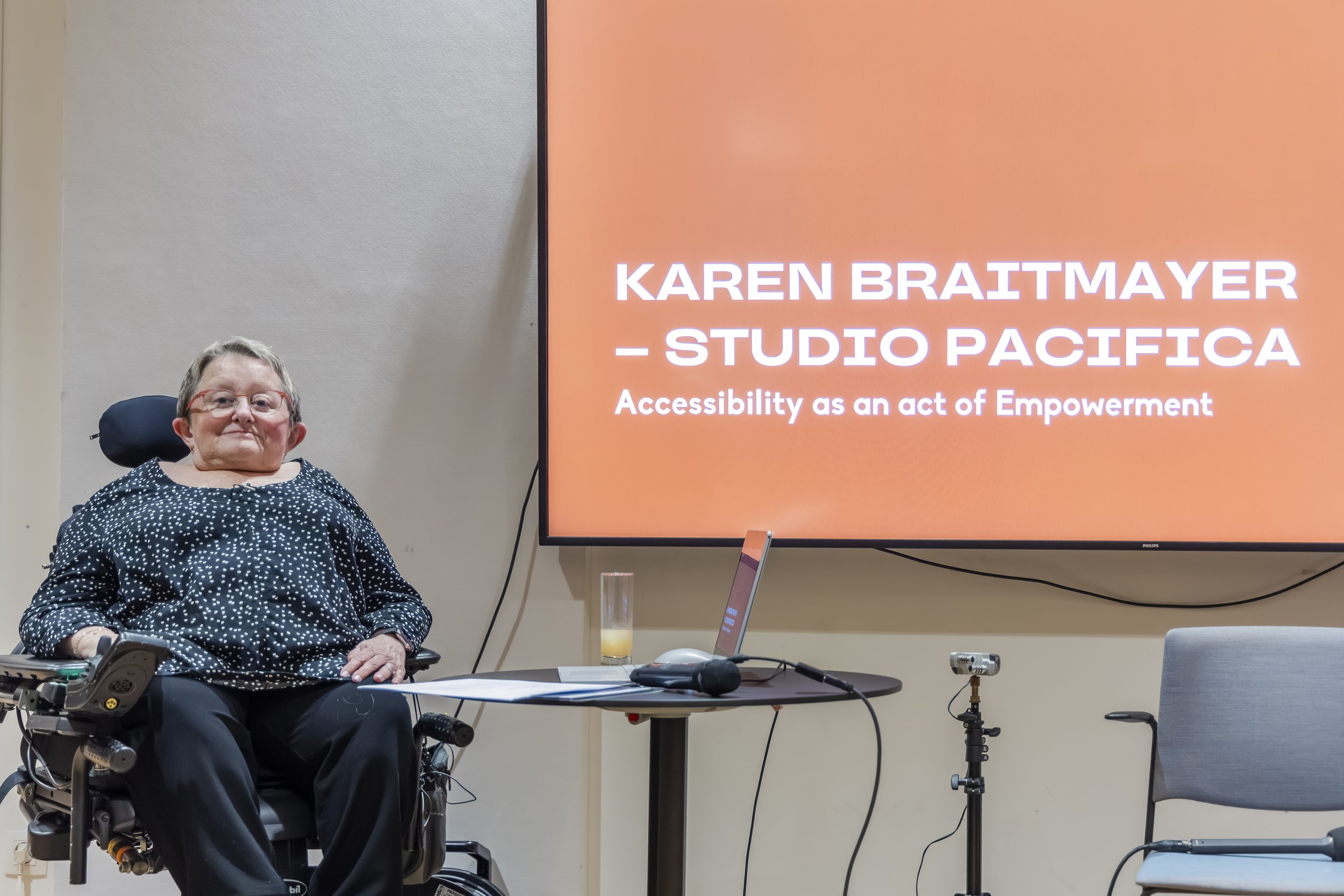
Karen Braitmayer discussed several projects that are outstanding illustrations of how community and dialogue can transform architectural practice. The first example is the U.S. Olympic & Paralympic Museum, where dialogue shaped every phase, from design to daily use. Accessibility consultant, architect, and Paralympian Ileana Rodriguez contributed to the design phase with insights drawn from her lived experience and her commitment to making sports spaces universally accessible. And for the building’s use, by “simply asking people what they need,” a range of visitor options, such as audio guides and sensory-friendly alternatives, was devised to respond to diverse user needs. This serves as proof of the power of dialogue in creating environments inclusive of human needs.
The Gallaudet Campus Buildings offer another compelling example, having been conceived with community engagement at their core and designed to facilitate dialogue within the spaces. In this project, members of the deaf and hard-of-hearing community collaborated with architects, including some from their own community, to create design principles that addressed their specific needs. This included enhancing visual communication and ensuring safety for individuals who rely exclusively on visual cues to navigate their environments. Such design requirements necessitate both a high level of empathy and knowledge built with experience. What they achieved with this project is beyond the technical necessities; it is a space that benefits not only the deaf and hard-of-hearing community but all. Karen comments on this project: “That is one of the most exciting examples of what we can do if we bring together people with lived experience and designers, many, I would hope, also have lived experience. By combining their perspectives, we can create something better than what we have now.”
Another standout example of community-driven design is the Carousel House project, where Studio Pacifica played a pivotal role. Originally a beloved community hub for people with disabilities, the Carousel House faced the threat of closure. Instead of accepting this loss, the community united and, with the support and expertise of Studio Pacifica, successfully campaigned to preserve the space. Additionally, Karen’s firm took part as the consultant on the hub’s redesign. The outcome is a vibrant, renewed community hub, purposefully developed for active, inclusive use by all its members.
The final example, Microsoft Building 6, demonstrates how authentic dialogue with a community can lead to truly user-centered environments. In this project, Studio Pacifica worked hand-in-hand with employees from the low-vision and blind community, listening as they articulated their needs for efficiency and independence in the workplace. These collaborative conversations underlined the critical importance of navigational predictability. In response, the design team created layouts and information systems, such as high-contrast text or braille signage in foreseen spaces, that are consistent and intuitive, empowering users to orient themselves and move through the building with confidence without relying exclusively on vision.
Ultimately, these projects highlight a fundamental truth: the built environment holds the power to either enable or disable, depending on how it responds to the needs of diverse bodies and minds. Addressing these varied needs is not a matter of guesswork; it begins with attentive listening and genuine dialogue. Achieving true inclusion requires effort and the courage to challenge established norms, but it is, above all, a collective journey. No one should have to resist alone; by coming together as a community that values every perspective, experience, and contribution, both our built spaces and the design professions themselves can grow richer. As Karen Braitmayer so precisely put it, “the best architecture happens when the people designing the spaces actually reflect the diversity of the people using them.”
Accessibility within the Profession: Perspectives from Diverse Lived Experiences
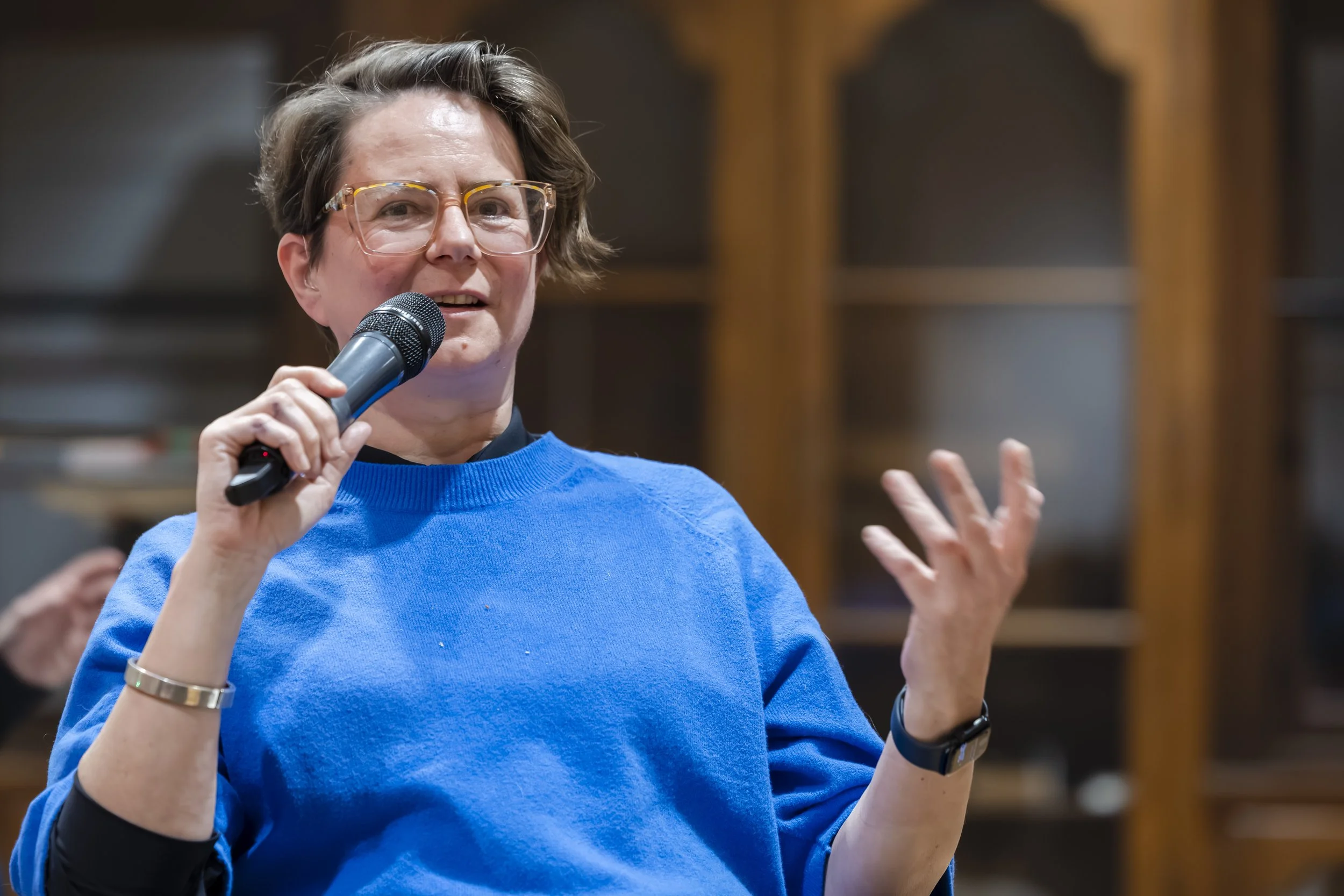
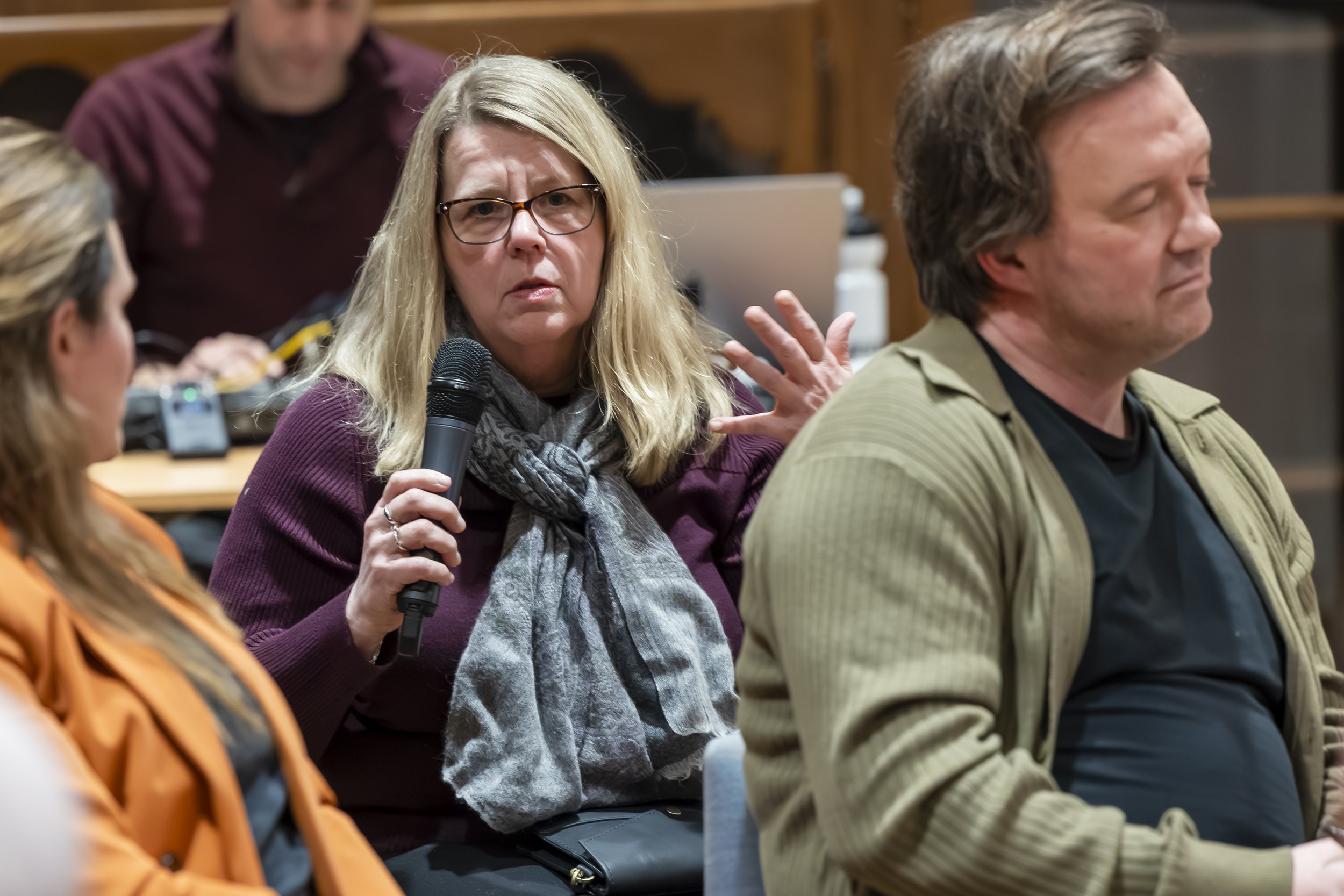
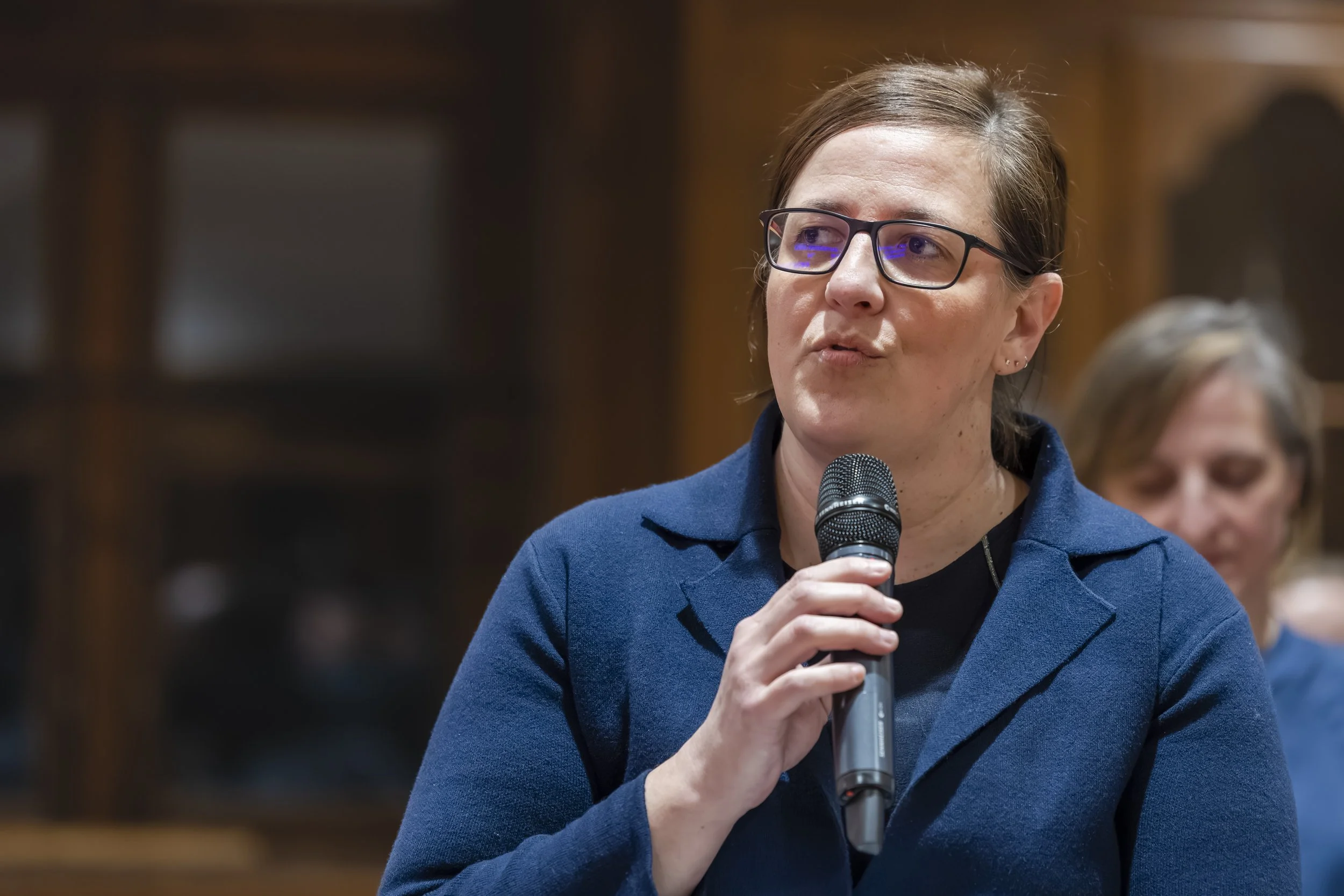
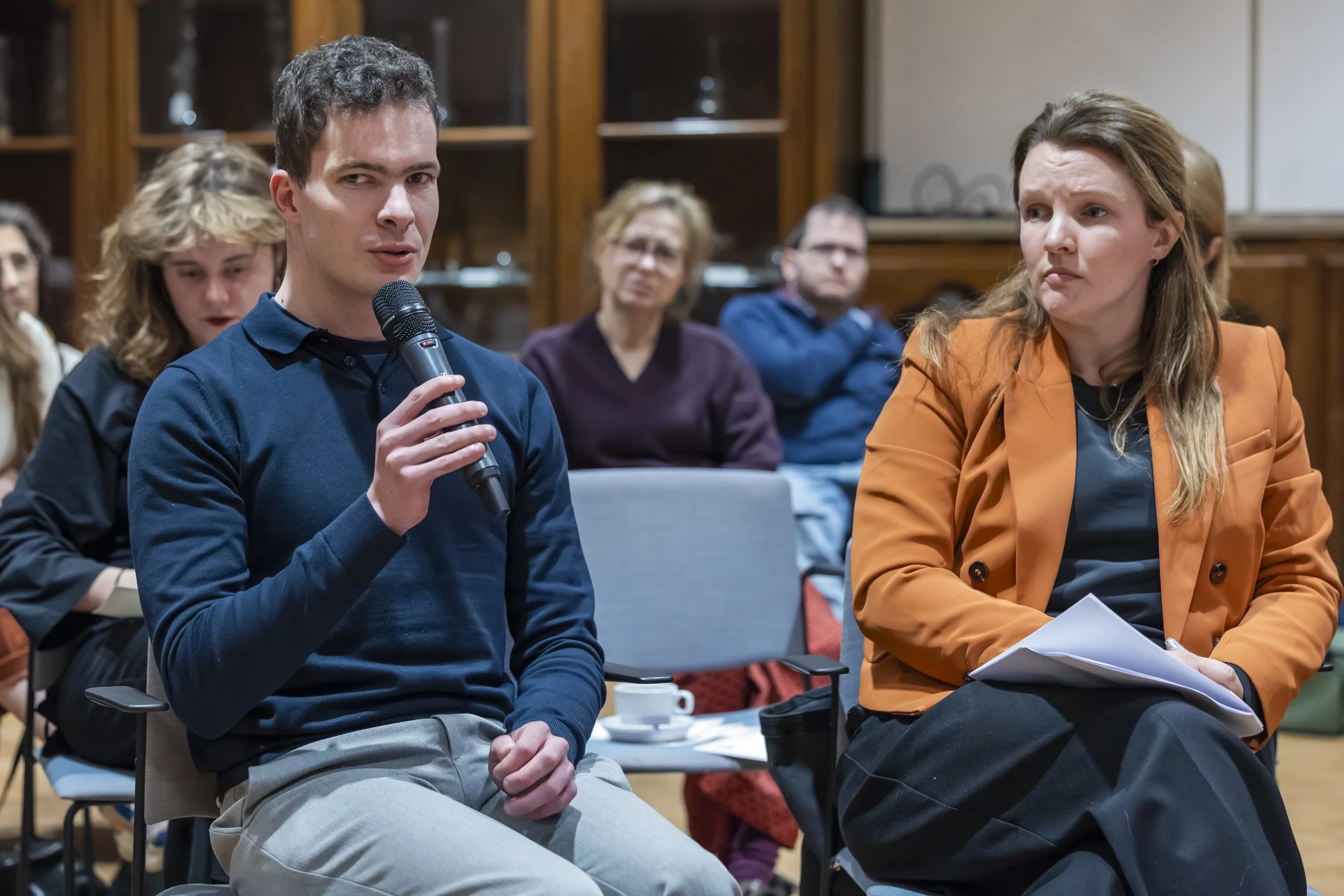
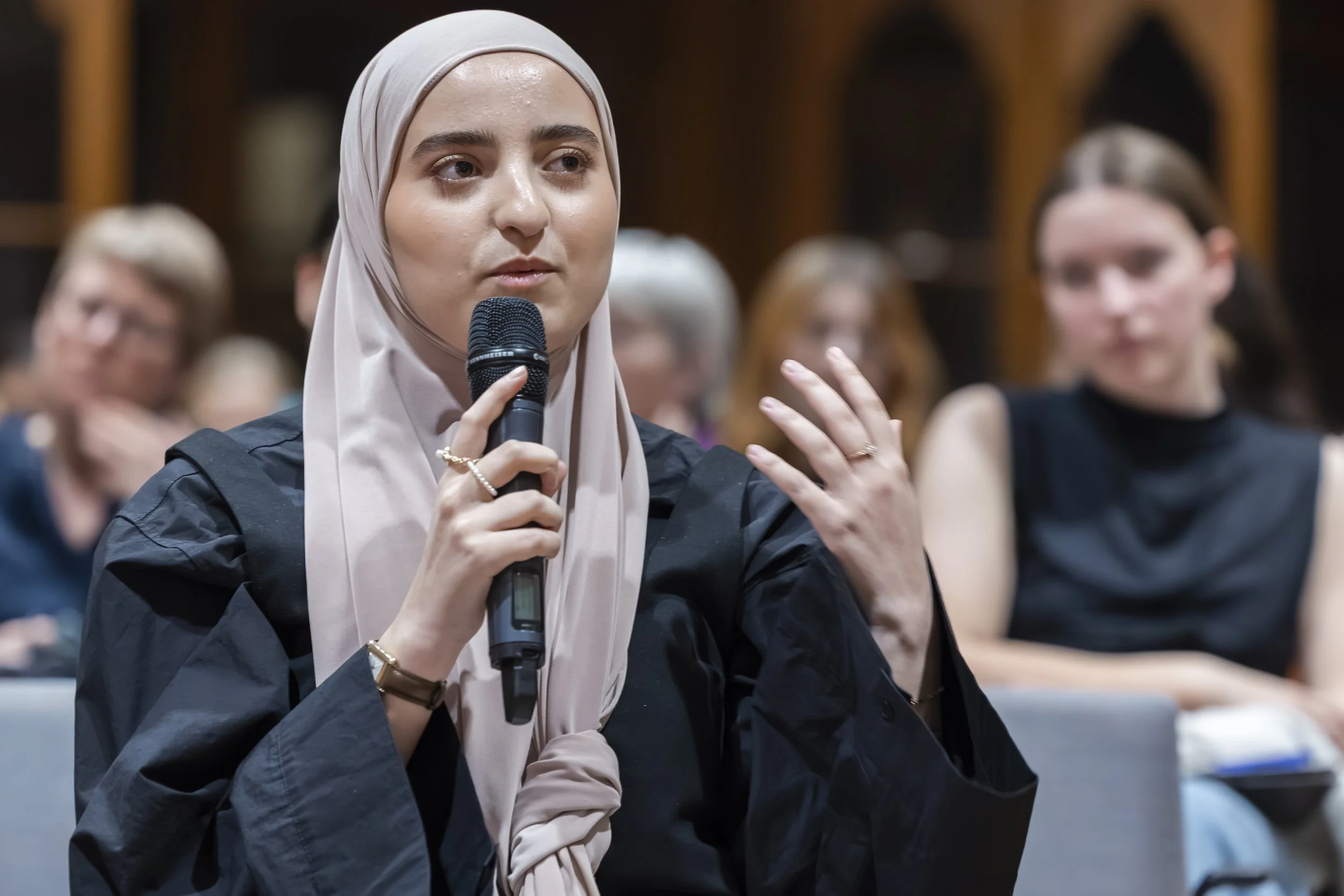
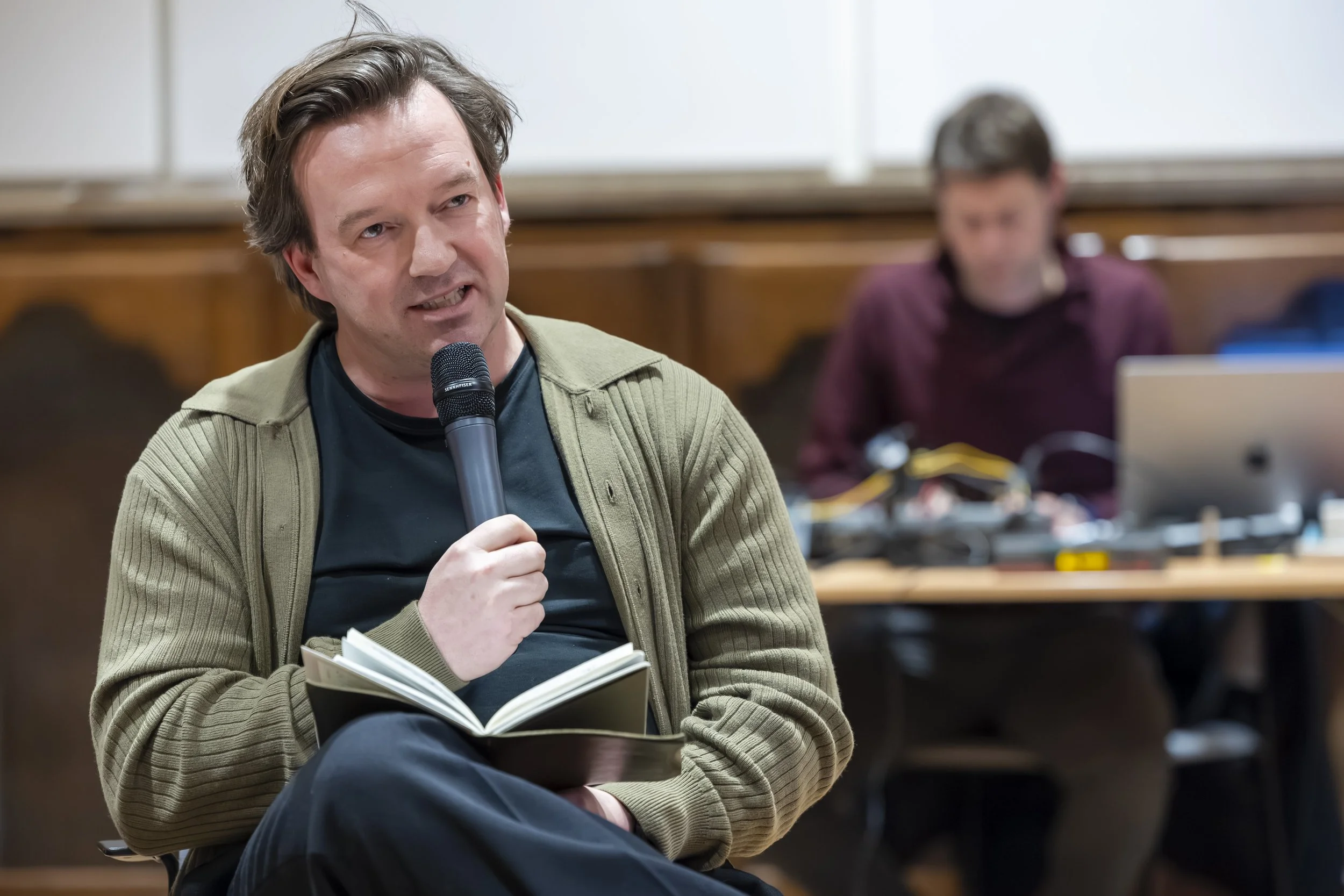
The evening continued with a group discussion featuring a broad range of architects, researchers and students with lived experiences. Panelists included: Séverine Kas, an architect and accessibility consultant living with progressive Usher Syndrome; Natalia Pérez Liebergesell, an architectural researcher whose work on disability and design is grounded in her own experience as a wheelchair user Victor Lindemeier, a master’s student in architecture at the University of Antwerp, bringing the perspective of a neurodivergent student within architectural education; Wendy Hoeven, architect and Inclure Architecten co-founder, influenced by reduced mobility and family ties to wheelchair use; Julien Benaouda, a software engineer and blind-lived-experience expert active with the Leuven Accessibility Advisory Council and ICC Belgium (Inclusion Creates Chances); Stijn Cools, aNNo architecten founding partner and KU Leuven professor, sharing insights from both practice and studio education; and Maïssam El Amarti, an interior architecture student at KU Leuven in Brussels, who shared how a recent autoimmune diagnosis reshaped her studies and routines. Together, these voices illuminated challenges and possibilities for a more inclusive profession.
Making architectural education accessible
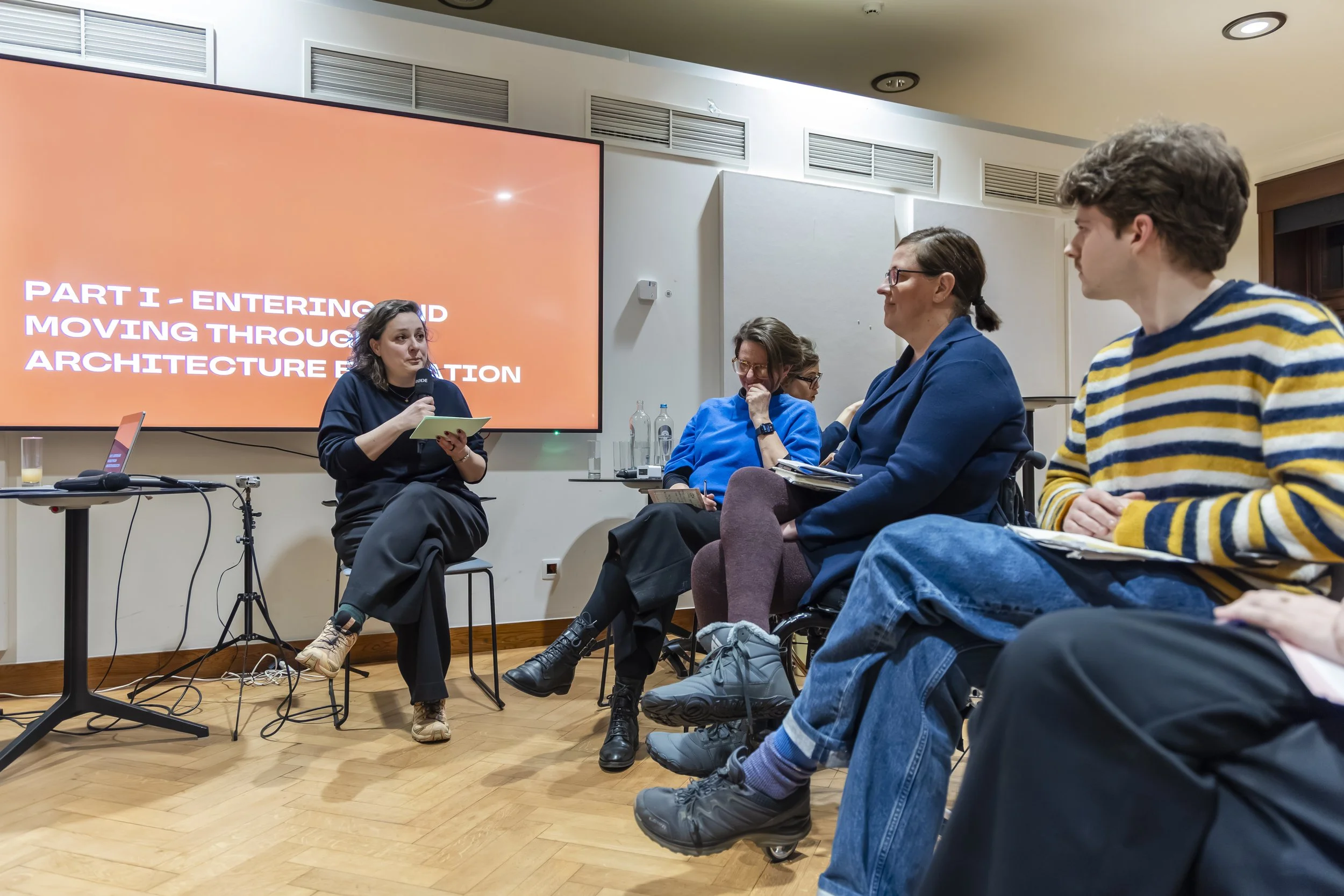
In the first section, the panel discussed architectural education. Participants highlighted how deep-seated norms in architecture create barriers for disabled, chronically ill, and neurodivergent students. A central challenge is the persistent culture in architecture that relies on endurance, where long studio hours, consistent physical presence, and sustained pressure were considered as commitment. As Victor and Stijn noted, these expectations disadvantage people whose energy, sensory capacity, or physical mobility differ from the norm. This situation becomes more difficult when curricula assign heavy workloads to design studios without adjusting credit load, creating greater time pressure.
Another recurring theme was the discouraging attitudes that can arise from entrenched professional beliefs. Natalia described how some professors and peers discouraged her from studying architecture after her spinal cord injury, while Victor recalled warnings about the field being “too demanding” for someone on the autism spectrum. These messages reveal deep-rooted assumptions about who is considered to belong in architecture and which kinds of bodies and minds are deemed fit. Moreover, as Natalia noted, they were often asked to design for an imagined “average user,”even though their own lived experiences show that this idea is limited and exclusionary. Another norm deepened in architectural education, as Karen Braitmayer observed, was the requirement that representation methods such as hand-built models or vision-dependent presentations become ends in themselves rather than pedagogical tools chosen for what they teach. Such norms reinforce the notion that architecture is reserved for certain bodies and abilities. These practices continue to restrict inclusivity, but acknowledging and challenging them is the essential first step toward meaningful change.
Despite these barriers, the panel highlighted practices and attitudes that make learning environments more accessible. Not surprisingly, community and dialogue stood out as crucial elements of those solutions. For instance, for students dealing with new or changing disabilities or medical situations, as in Maïssam’s case, having a supportive instructor willing to work together to find solutions can determine whether they remain in the program. Victor also found that openly communicating his limits helped him set boundaries within studio culture. Discussing the difficulties posed by studio norms, Stijn shared that he and his colleagues are experimenting with alternative teaching models that evaluate students based on contribution and reflection rather than endurance or competition, fostering greater equity. When asked about one initial change to make education more inclusive, Natalia emphasized that the key is to let lived experience weave into the design process. Encouraging students to draw on their embodied knowledge expands architectural thinking and opens the door to new insights and inclusive solutions, as Karen pointed out throughout her lecture.
Another crucial step for instructors is simply to ask students with diverse bodies and minds about their needs, rather than adhering rigidly to established cultural norms. Nevertheless, as Julien pointed out, students are often expected to articulate their needs and propose solutions before they fully understand what those needs are, especially if they are the first person with a particular disability in the program. That is why peer networks – formal, like ICC Belgium, or informal, like the group Natalia formed with fellow wheelchair-user students – are essential for defining needs, sharing strategies, navigating unfamiliar academic settings, and building confidence.
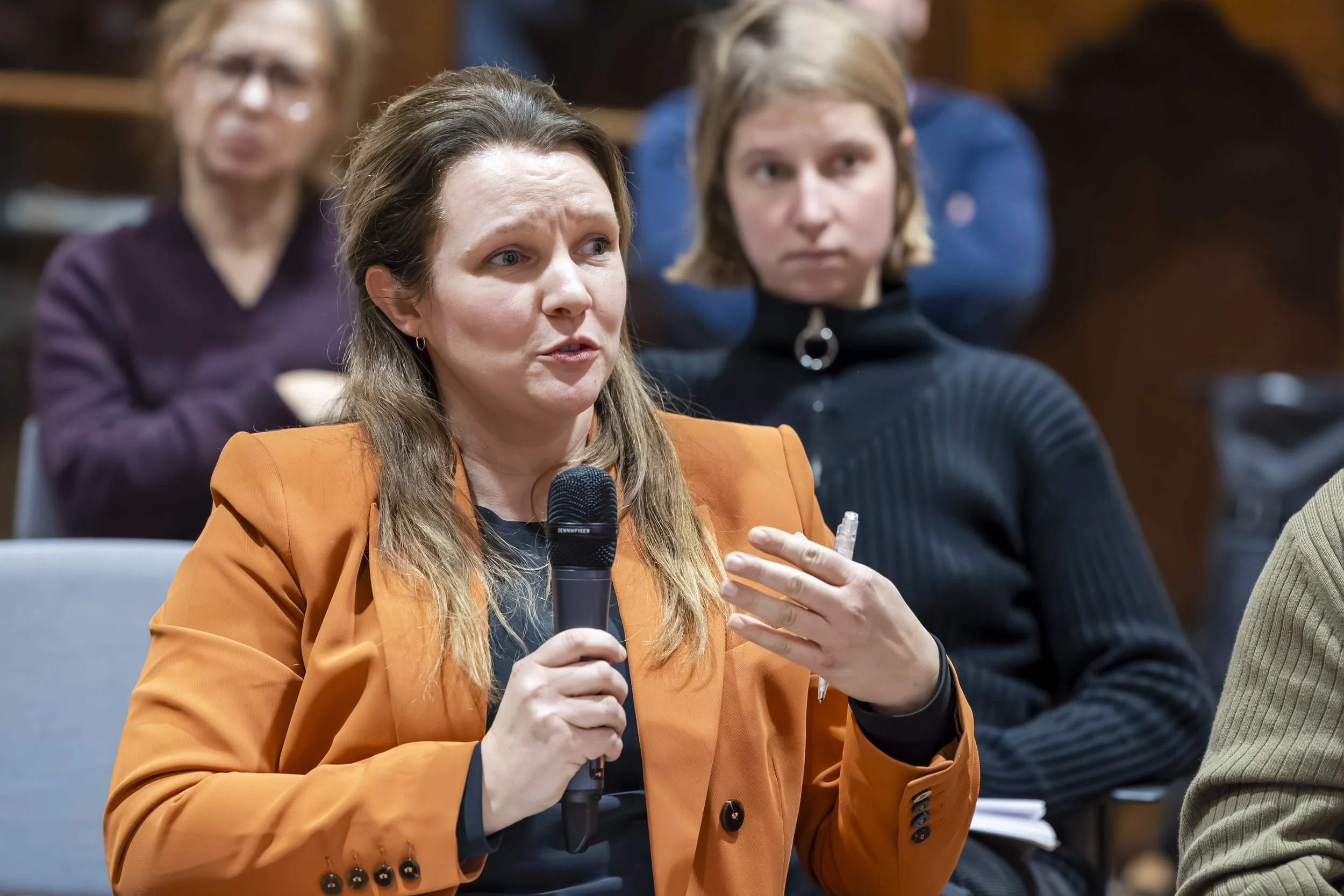
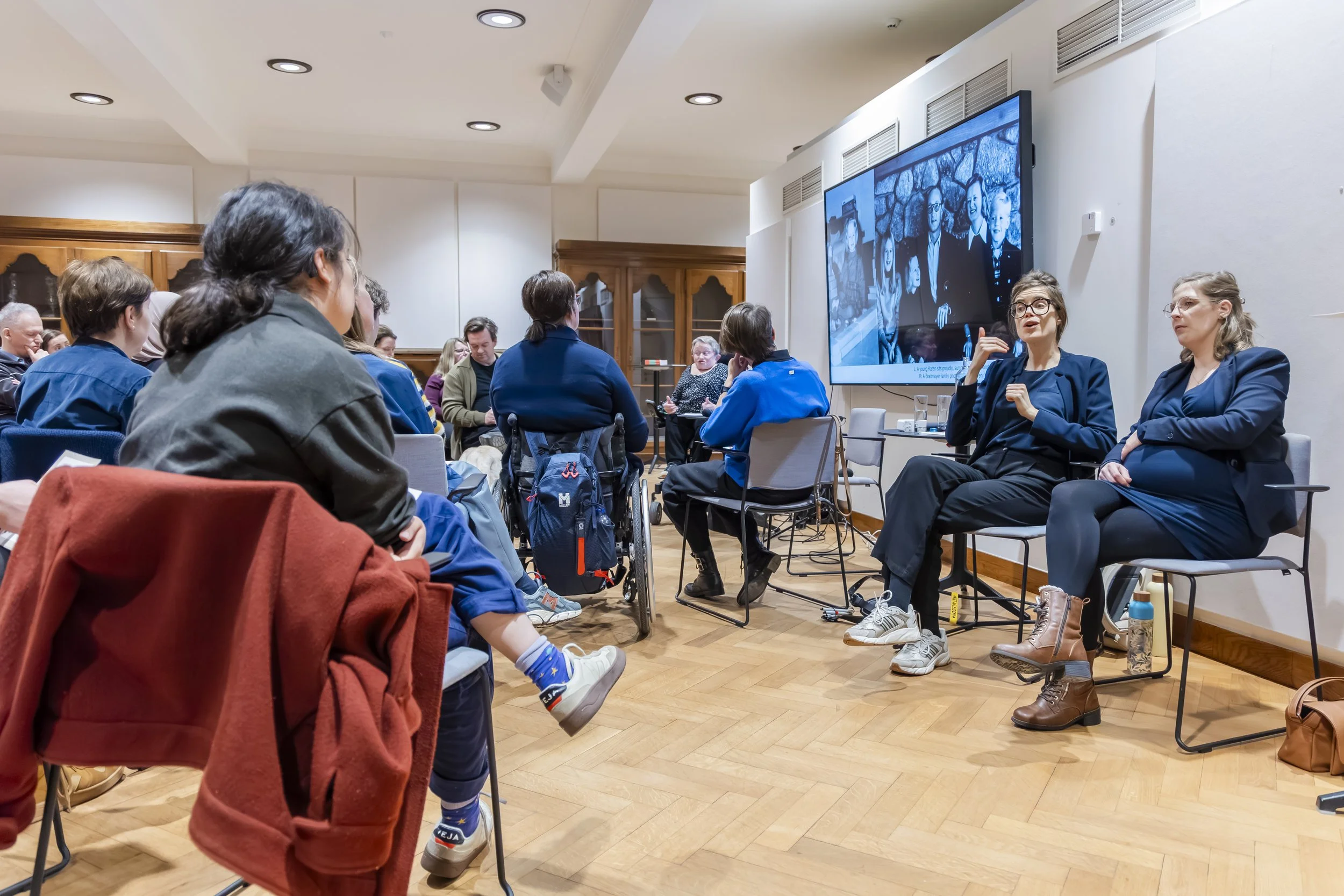
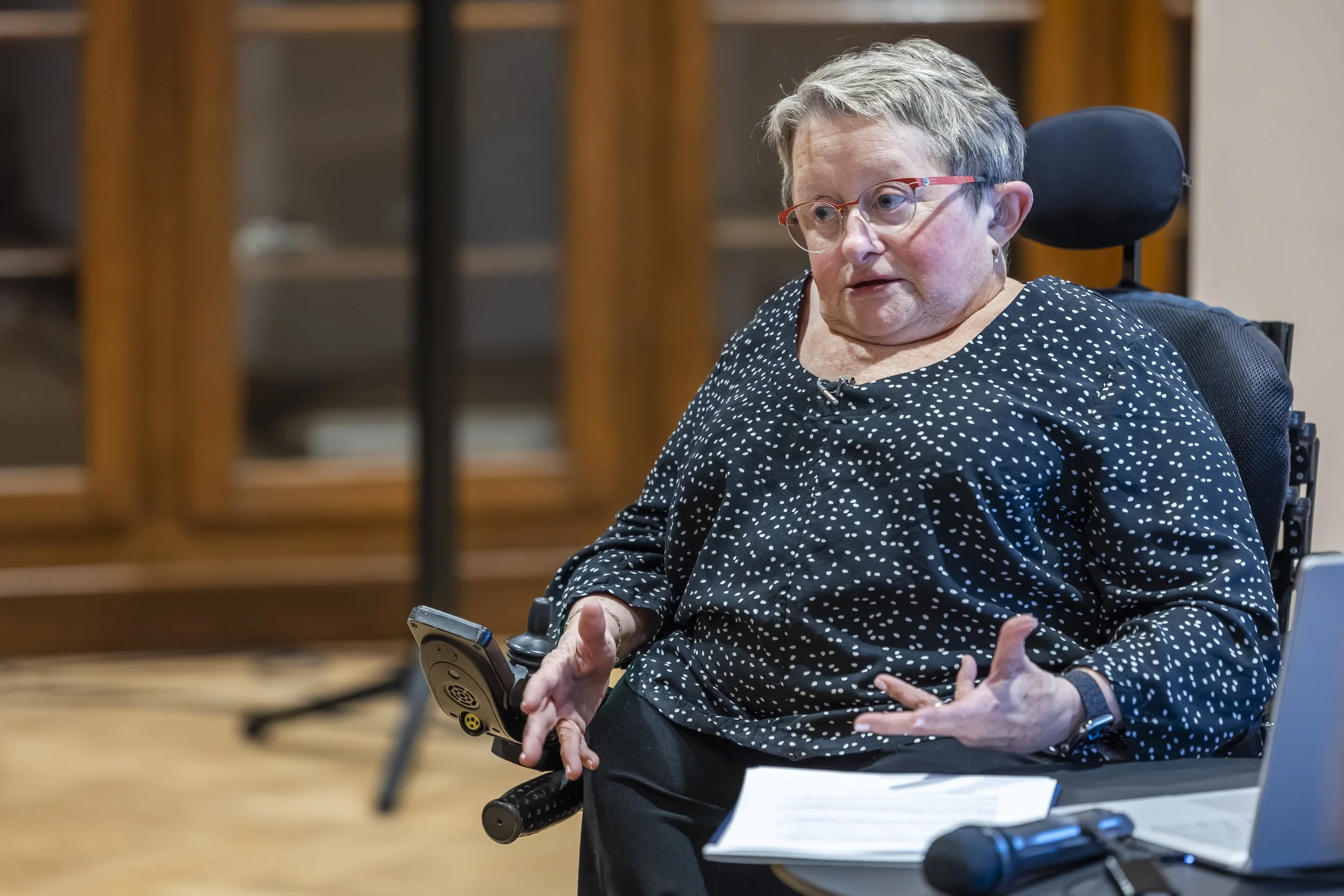
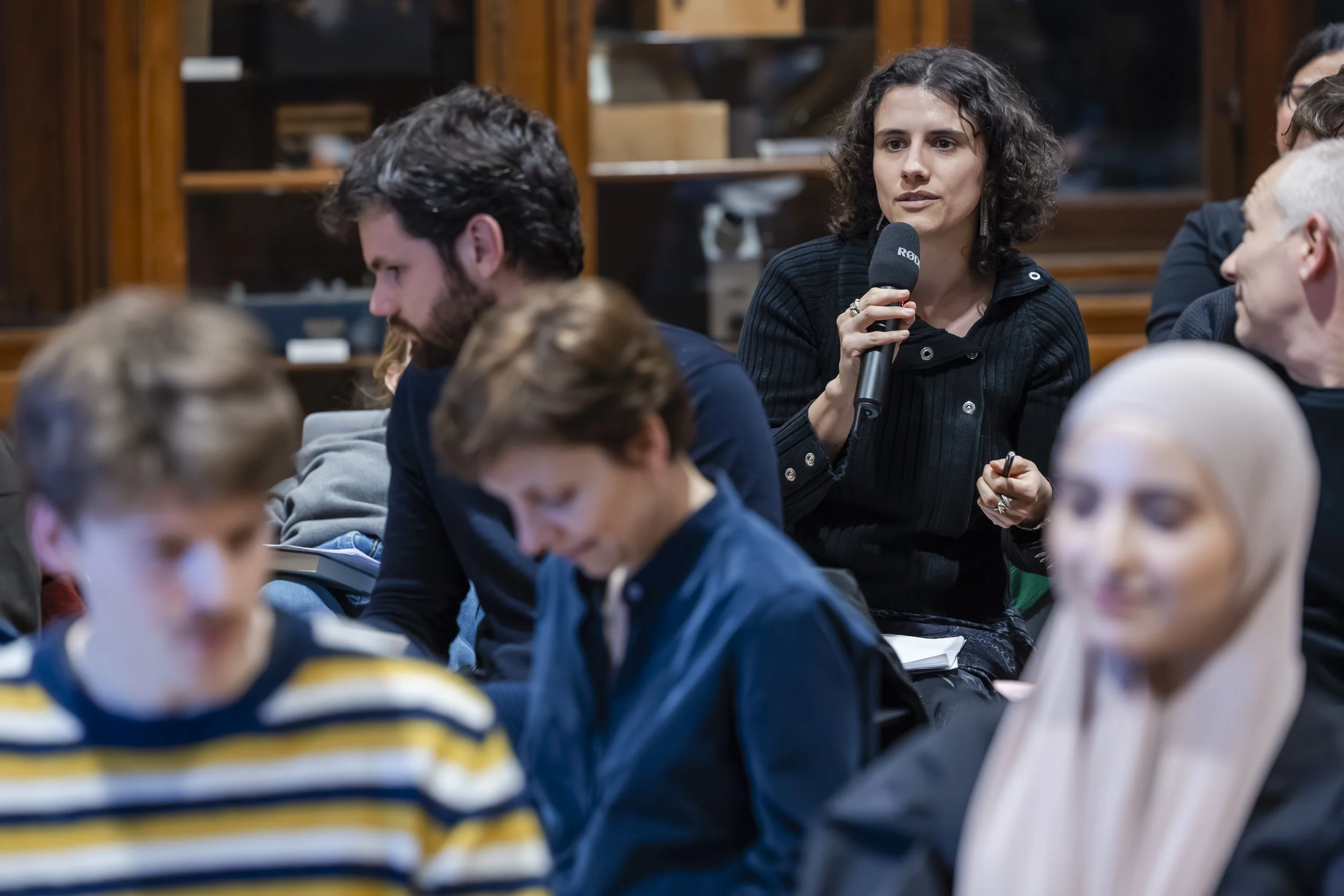
Entering the profession
However, the influence of entrenched norms extends beyond education and is equally evident in the culture of professional practice, as discussed in the second part of the panel. In the professional realm, panelists emphasized that integrating lived experience into architectural practice can be deeply valuable and even necessary, given the mindset prevailing in the profession. A recurring frustration, observed by both Wendy Hoeven and Séverine Kas, was that many practitioners still interpret inclusive design as a matter of adding features for disabled people in the final design phase, or as something related only to the design of care facilities, rather than as a fundamental design ethos. This narrow framing positions accessibility as “additional work” or “additional cost,” rather than recognizing it as an intrinsic part of designing for human diversity.
Yet lived experience can profoundly reshape architectural perspective. Wendy illustrated how her spinal cord injury, and her husband being a wheelchair user, clarified both the necessity and urgency of inclusion to her. Similarly, her daughter’s matter‑of‑fact questioning of inaccessible buildings, “Why did they make it like this, so Daddy can’t enter?”, shows how lived experience shapes one’s perspective, and how architects can learn from this to question how their beliefs were formed by the prevailing norms instead of user needs. Séverine’s story further highlighted how deeply the profession’s norms are internalized, even among architects with disabilities. For years, she avoided talking about her progressive visual impairment, believing that design is primarily a visual practice and a designer “must see”. Now, she didn’t only change her own view, but also, through providing consultation to other professionals, she challenges assumptions within architectural culture; whether by inspiring or even “making others feel awkward”, she sparks architects to rethink what accessibility truly means and exposes the limitations of long‑held norms. Those examples demonstrate how lived experience can “redesign the community”, as Séverine stated.
On the other hand, being present in an architectural workplace with a body or mind that diverges from the norm is structurally challenging. In all steps of employment in architecture, like the hiring process, office environments, working conditions, and tasks such as visiting construction sites, there are barriers preventing people from participating in architecture. The experiences shared by Karen, Séverine, and Wendy demonstrated the problem and the way to the solution. Firms often assume they must predict future employees' needs or decide in advance whether a disabled person can perform the job of an architect. Yet, all employees have needs; disabled workers’ needs are simply just more visible. A fair workplace, therefore, does not attempt the impossible task of anticipating every accommodation, nor should it reject candidates based on imagined limitations. Instead, it creates accessible foundations, such as being able to provide options of communication, having step‑free access, an adaptable office layout, building a teamwork system open to dividing tasks, and then asks the essential question: “How can we support you so that you can do your best work?” with an approach ready to build dialogue and to adjust itself. In the end, there would be an inclusive work environment that supports all employees, with or without disabilities, by responding to their needs, and even the employer, by letting them hire the best candidate for the job without prematurely ruling some out.
The discussion also underscored that moving toward a more inclusive working culture is not only a disability issue, but a generational one. As Victor explained, many architecture students, regardless of disability, have fears about entering the architectural profession, which is known for low pay, long hours, and a culture of overwork. The endurance‑equals‑commitment mentality in professional practice shapes architectural education, making competitive, high‑pressure, non‑negotiable work rhythms feel inevitable. Yet the speakers also discussed what an alternative culture could look like: one grounded in mutual respect, teamwork, and the recognition that “everyone has their own qualities” and contributes in diverse ways. Designing fair workplaces is not only about accommodating disabled architects, but about creating conditions in which all practitioners can thrive. For those like Maïssam El Amarti, who are diagnosed suddenly and still discovering their needs and, as Julien Benaouda pointed out, cannot always articulate them in advance, supportive networks and open dialogue become essential. Making space for such uncertainty is itself an inclusive practice. Ultimately, the panel suggested that redesigning the culture of architectural work is both necessary and possible, and that embracing diverse experiences is key to shaping a more humane profession for future generations.
Designing accessibility
In the final part of the panel, the conversation shifted to the design process and how accessibility is shaped through collaboration. The speakers emphasized that inclusive design is fundamentally a shared dialogue between architects, clients, and users. For this process to work, everyone in the community must take responsibility: architects must recognize how their decisions can enable or disable, users need to feel empowered to express their needs, and clients should be open to ongoing conversation. When people are left out of these discussions, decisions are made about them instead of with them. It is crucial that all groups affected by the designed environment are included in this dialogue.
The collaboration between Julien Benaouda, as a member of the Leuven Accessibility Advisory Council, and Stijn Cools, as an architect working on Leuven’s City Hall, illustrated what such a dialogue can look like in practice. Their experience showed that the exchange between architects and the advisory council was not limited to technical discussions of accessibility standards or checklists, but also expanded to architectural discussions on topics such as the generosity of a space, welcoming environments, and aesthetics. These discussions highlighted both the limitations of accessibility standards – which, while necessary, often fall short – and the need for this dialogue in the early phases of the design process. The Leuven Accessibility Advisory Council’s strength in responding to this need lies in its diversity: different disabilities bring different forms of knowledge, and only through discussion can these be balanced. Both Julien and Stijn described how these exchanges were constructive, creative, and mutually educational, conversations that improved the architecture rather than limiting it. Their reflections pointed to a central challenge of inclusive design: navigating multiple, sometimes conflicting needs within a single project. But, as Stijn noted, “architecture is making a solution of different constraints, which are sometimes contradicting.” This common nature of architecture and inclusivity shows why “it is risky for an architect to think that they are the expert in the user experience,” as Wendy put it. Lived experience brings expertise, and that expertise is vital to the design.
Inclusive practice begins with dialogue
Designing accessibility requires early, ongoing, and genuinely shared dialogue among designers, clients, and users. It also requires recognizing that none of those groups is static or homogeneous; the design community should be inclusive and diverse as well. When all voices are included, barriers can be addressed and creative solutions found for both architectural projects and the profession. Then we can make inclusiveness an integral part of the architectural profession and reshape design culture.
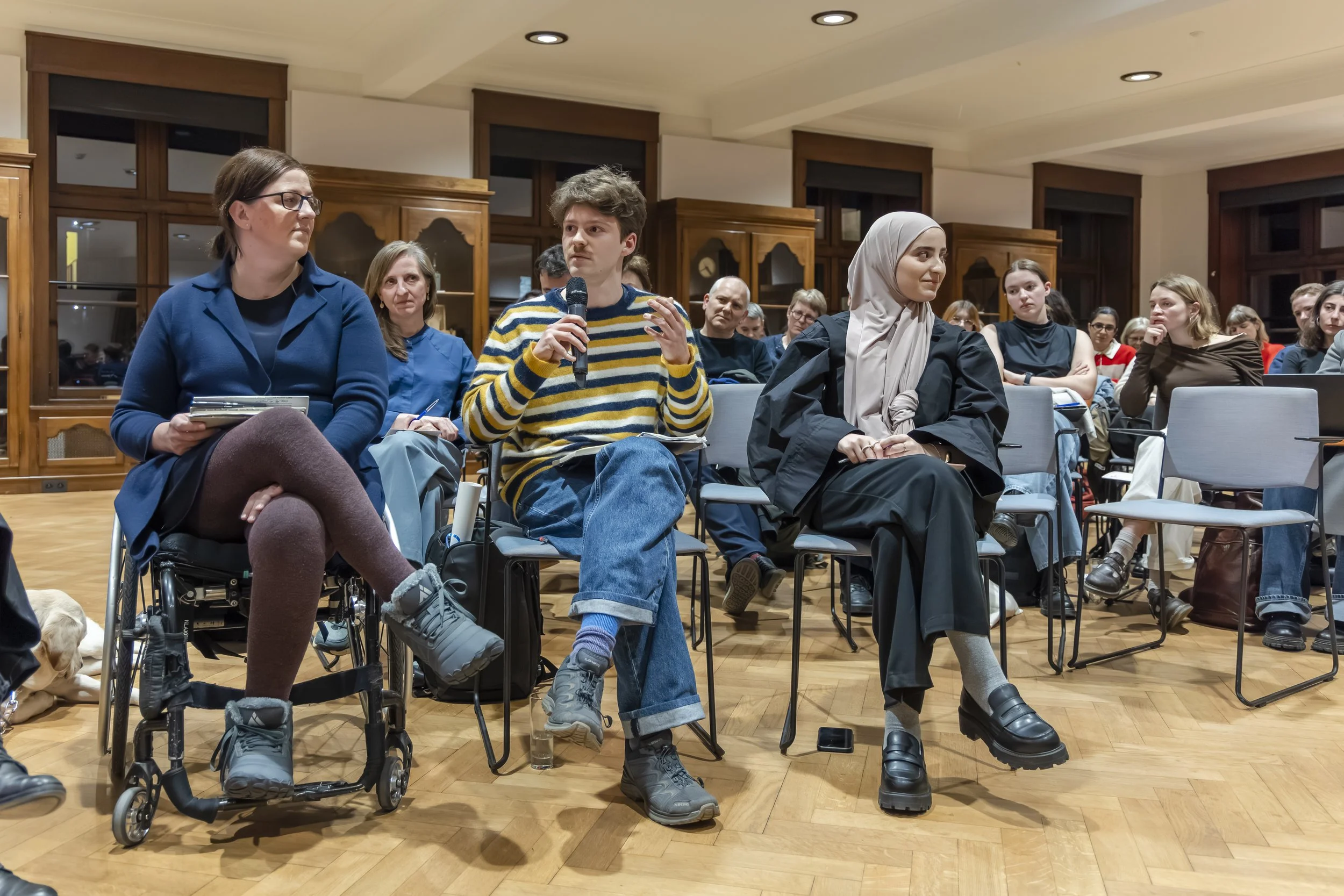
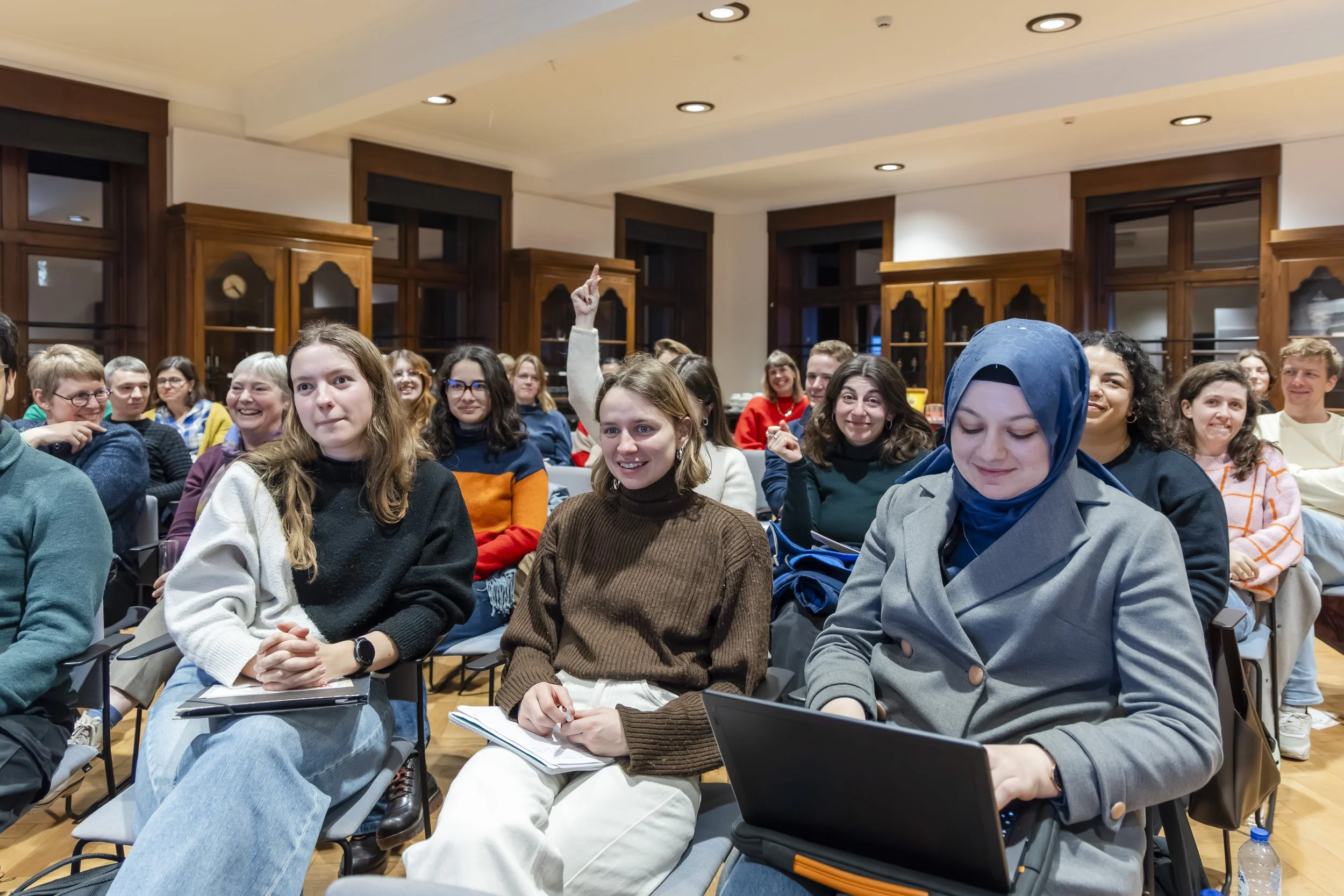
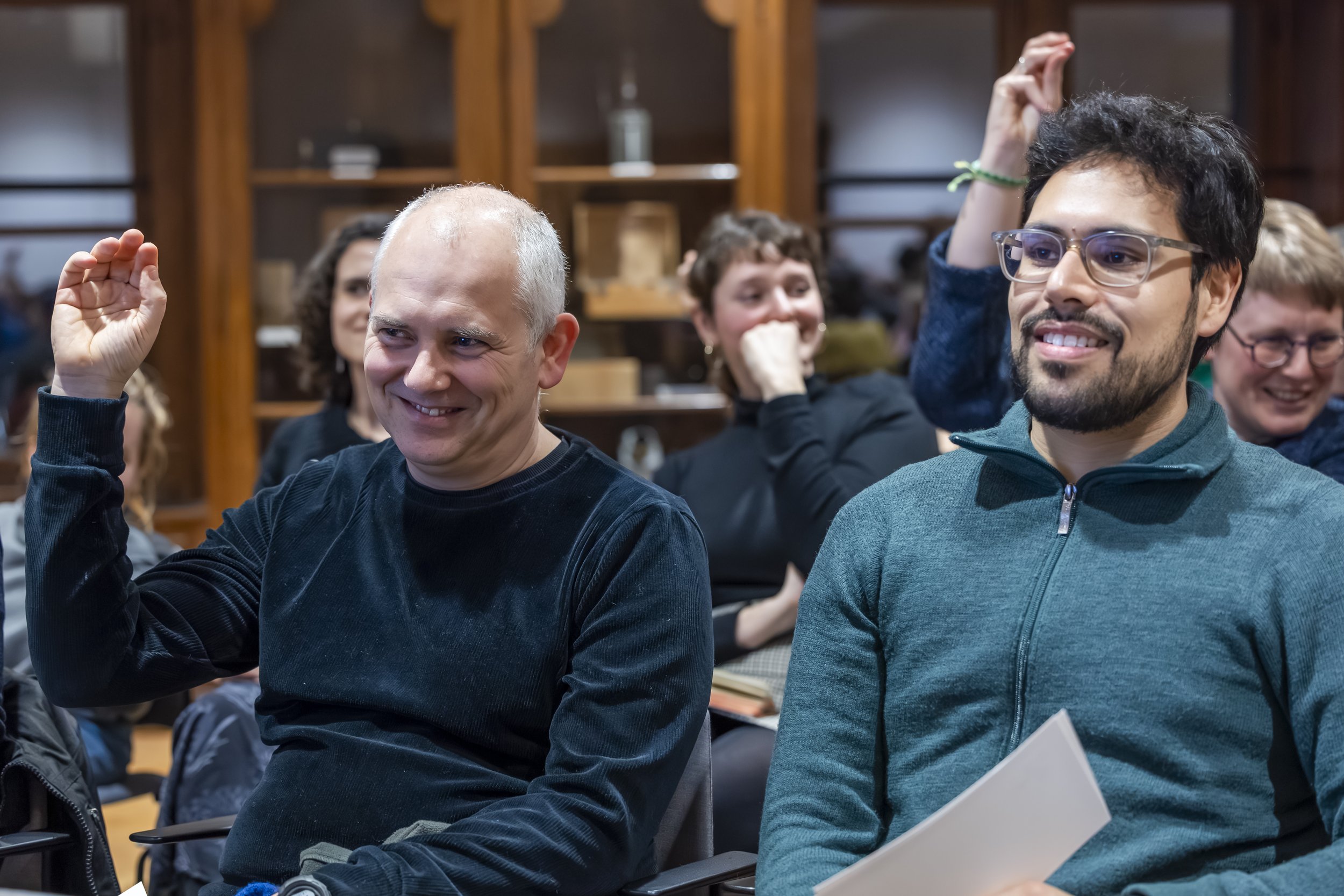
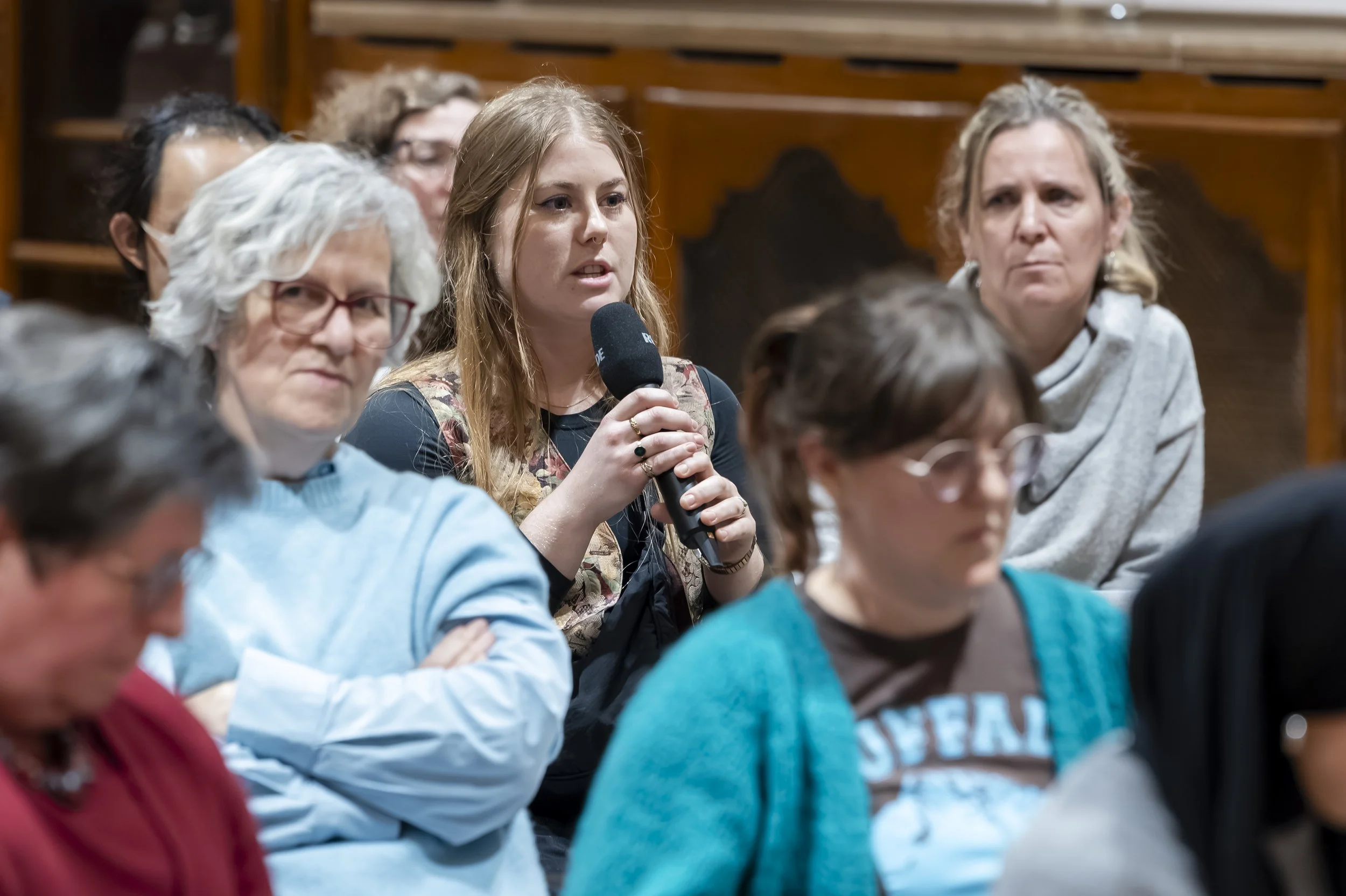
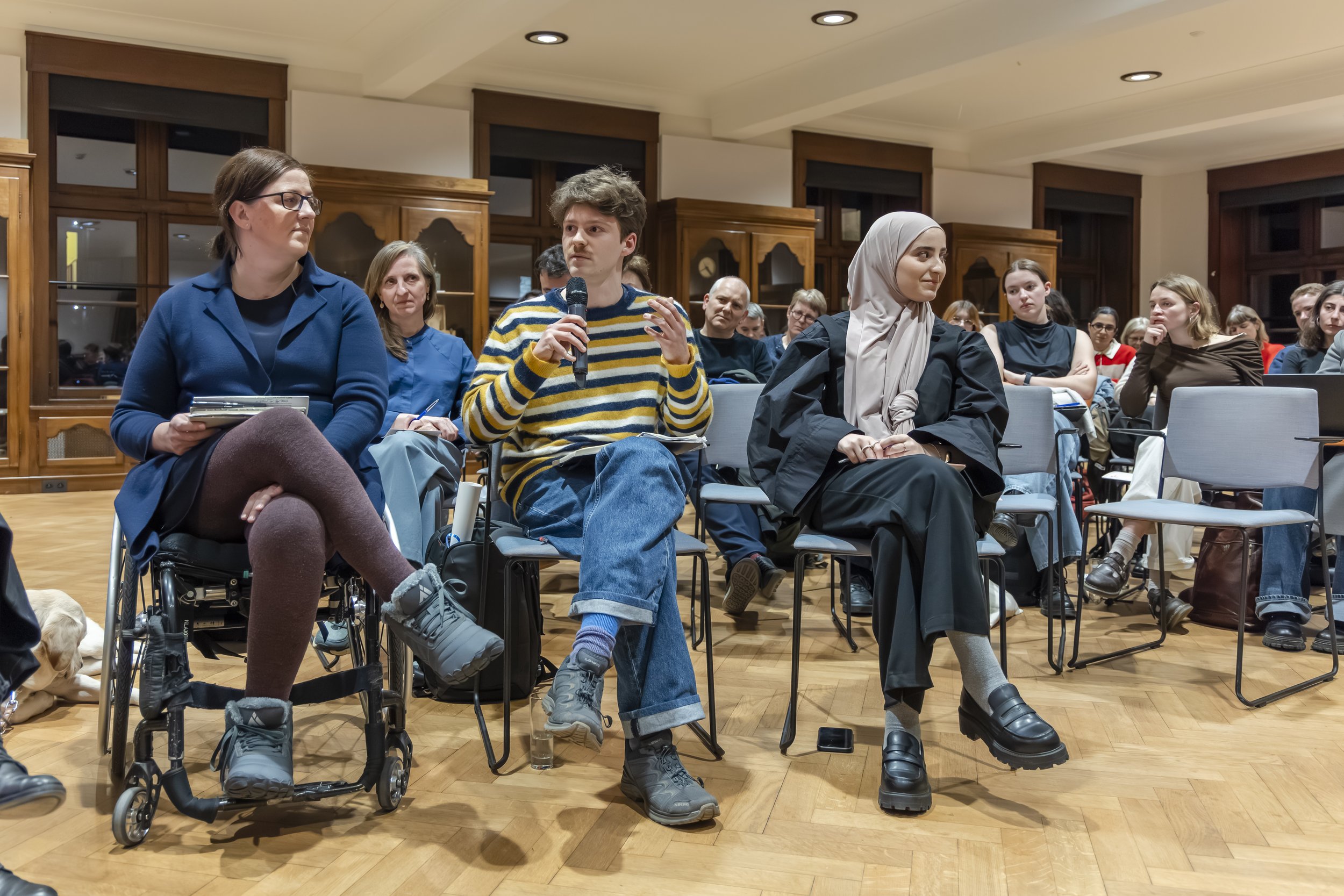
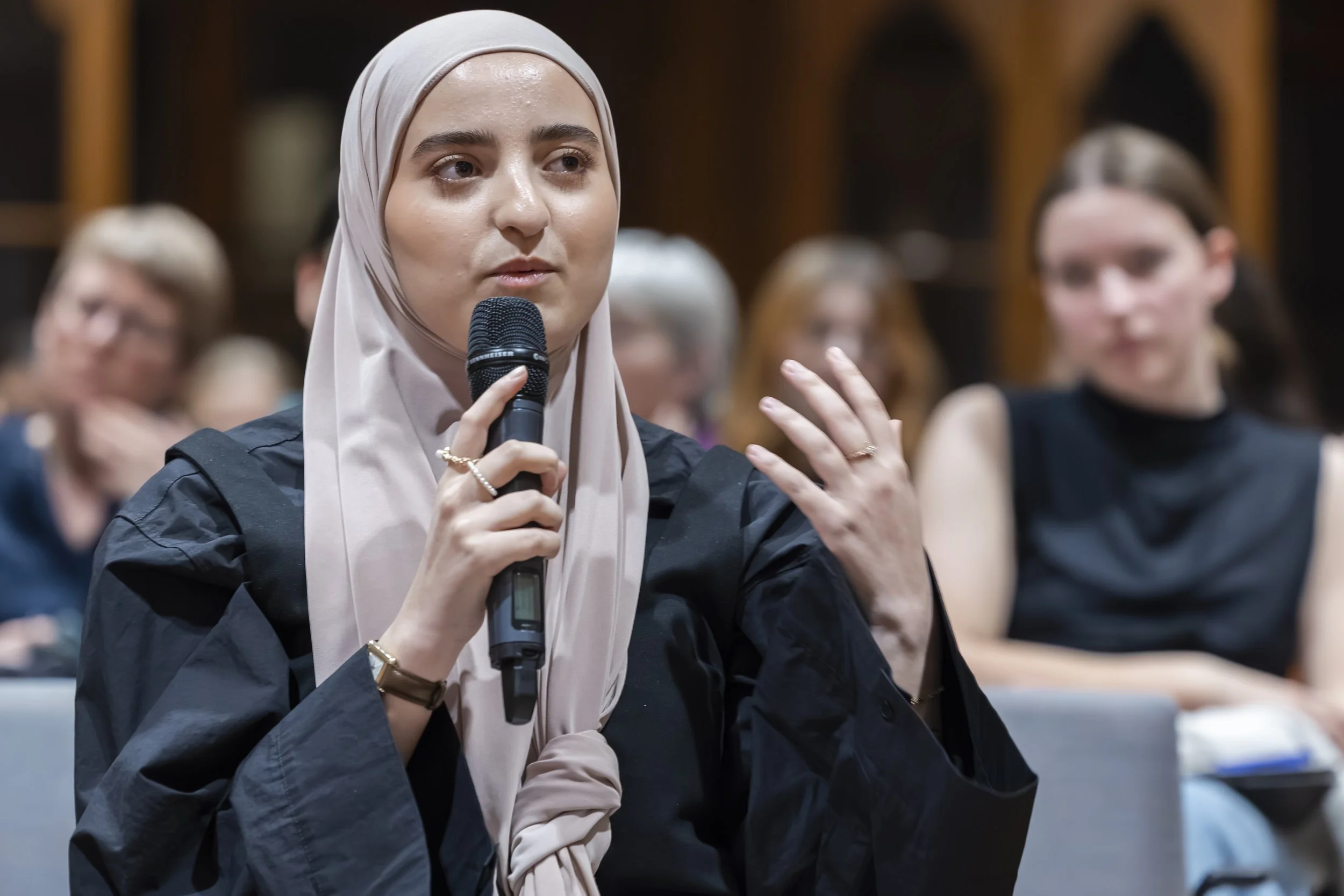
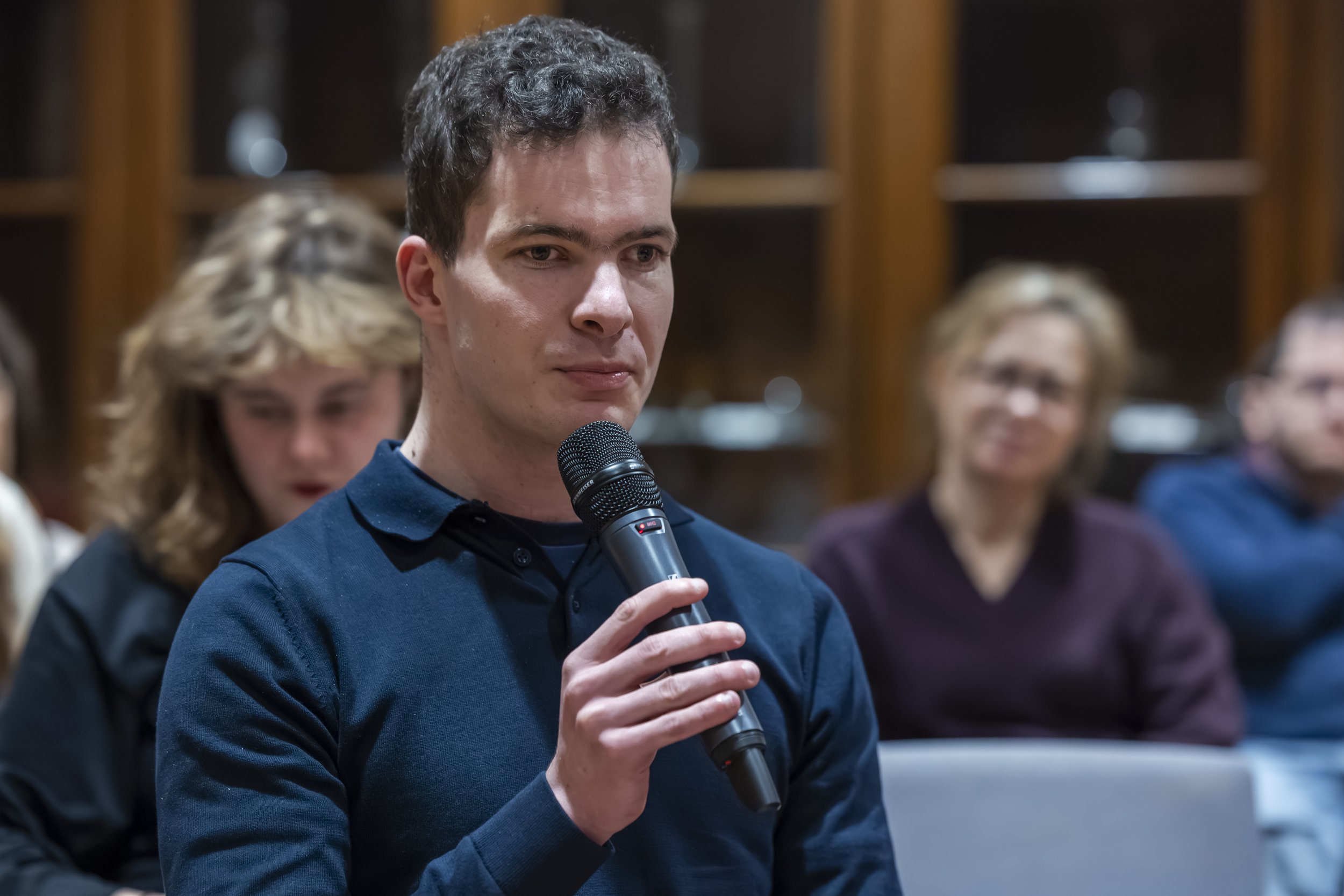
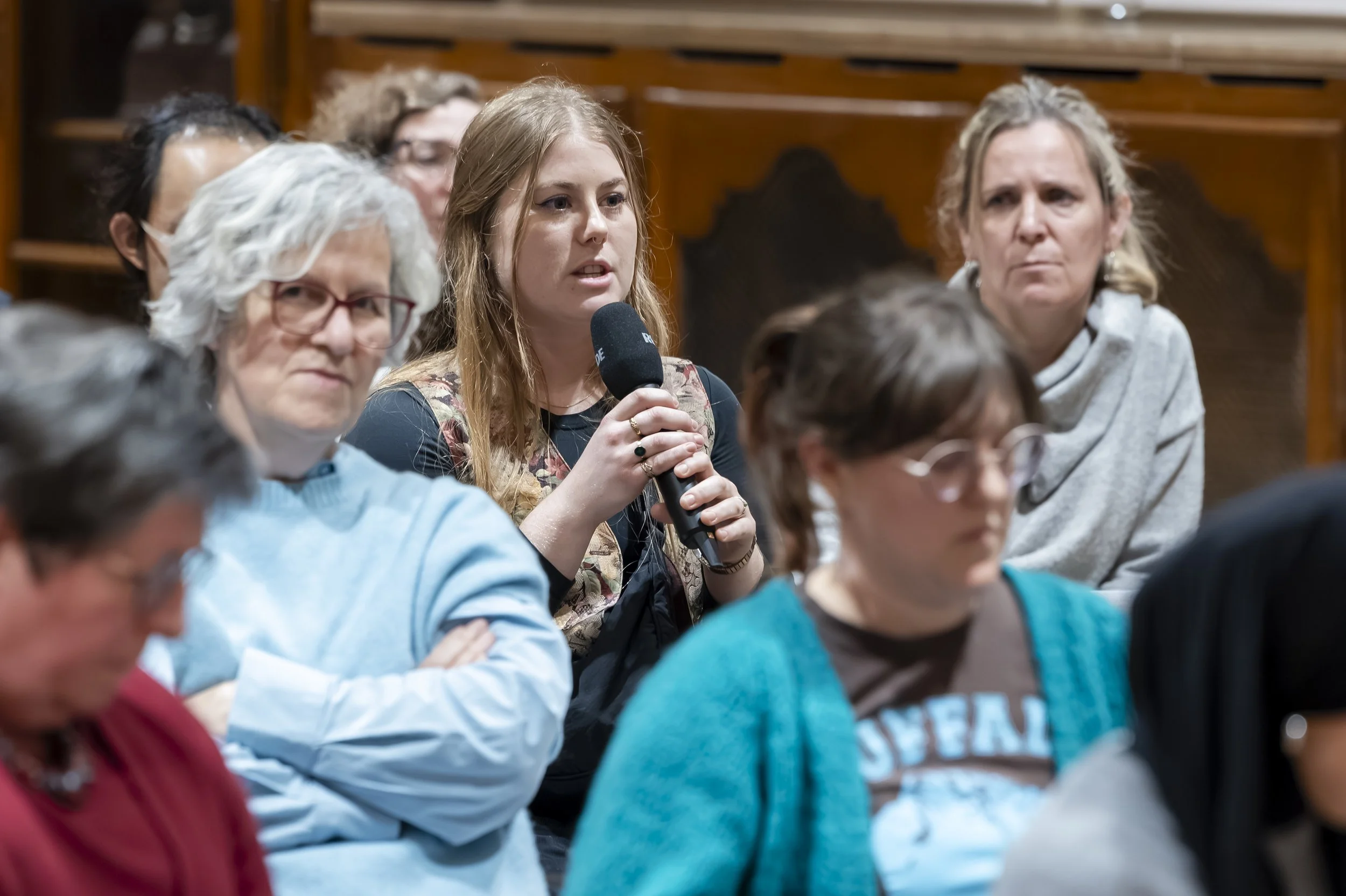
The evening completed with a sense of energy and reflection, the discussion resonated with everyone present - whether architects, students, designers, or people outside the profession, and regardless of disability. Questions from the audience ranged from building codes to personal experiences, from the organization of Studio Pacifica to everyday barriers, and the exchanges continued during informal conversations with a drink.
In one of these informal discussions, I asked Karen Braitmayer for advice, sharing my frustration as an able‑bodied design researcher who still discovers new barriers while promoting inclusive design education. Knowing that she does not accept “no” as an answer, I admitted that I sometimes find myself accepting barriers. Her response, warm and sincere, echoed the evening’s central themes of dialogue, resistance, and community. Rather than accepting a barrier as fixed, she reminded me to begin by asking the person experiencing the barrier what would help them do their best work and to explore the next step together. In other words, inclusivity begins not with certainty but with dialogue, and the many conversations sparked throughout the evening made that clearer than ever.